

Table of Contents
Vietnam is one of those places that feels made for travel videos. From the lantern-lit streets of Hoi An to the busy motorbike lanes of Ho Chi Minh City, the misty rice terraces of Sapa, and the calm waters of Ha Long Bay, there is always something worth capturing. But great travel footage is not just about pointing your camera at beautiful places. It is about noticing small details, filming with intention, and making the viewer feel like they are there with you.
Here are 10 practical tips to help you film better travel videos while exploring Vietnam.
1. Start Filming Before the “Big Moment”
Some of the best travel footage happens before you reach the famous viewpoint or tourist attraction. In Vietnam, the journey is often just as interesting as the destination. Film the train ride, the street vendor preparing breakfast, the motorbike traffic, the ferry crossing, or the narrow alley leading to your homestay.
These little in-between moments give your video a stronger sense of place. They also help your final edit feel more like a real travel story instead of a collection of random clips.
2. Capture the Sounds Around You
Vietnam is full of atmosphere, and sound plays a huge part in that. The sizzle of bánh xèo on a hot pan, the calls of market sellers, the hum of scooters, the rain hitting a tin roof, or the quiet paddling of a boat in the Mekong Delta can make your video feel much more alive.
Try recording a few seconds of natural sound wherever you go. Even if you later add music, these audio clips can be used to create transitions or add depth to quiet scenes.
3. Film Food Like a Story, Not Just a Plate
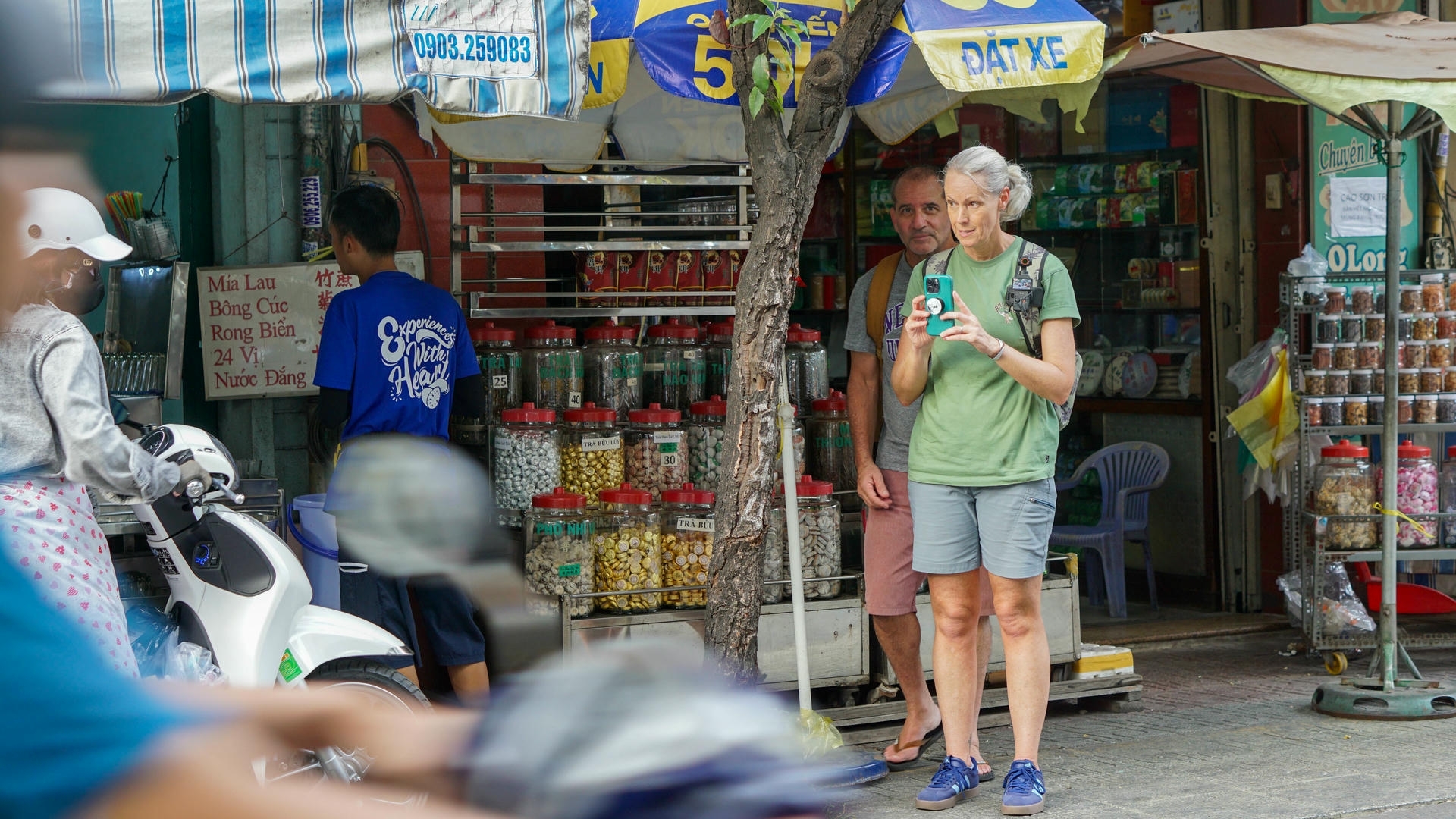
Food is a major part of traveling in Vietnam, so do not just film the finished dish. Show the process. Capture the vendor adding herbs to a bowl of phở, the smoke rising from grilled pork, the dipping sauce being poured, or your first bite.
A good food clip should make people feel curious and hungry. Move slowly, get close enough to show texture, and include the surroundings, too. A bowl of noodles at a tiny plastic table tells a much better story when viewers can also see the street, the steam, and the people around you.
4. Use Movement Carefully
Vietnam’s streets are busy, colorful, and full of motion, so it can be tempting to move your camera constantly. But too much movement can make your footage hard to watch. Instead, choose simple movements. Slowly pan across a market stall, follow someone walking through a lantern street, or gently tilt up to reveal a mountain view.
If you are filming while walking, hold your phone or camera steady with both hands. Move slowly and keep your steps soft. Your footage will look smoother and more intentional.
5. Wake Up Early for Softer Light
Early mornings in Vietnam are worth filming. The light is softer, the streets are quieter, and you get to see a different side of local life. In Hanoi, you might see people exercising around Hoan Kiem Lake. In Hoi An, the old town feels peaceful before the crowds arrive. In the countryside, morning mist can make rice fields and mountain roads look cinematic.
The golden hour before sunset is also beautiful, but mornings often offer quieter scenes and cleaner shots.
6. Respect People When Filming
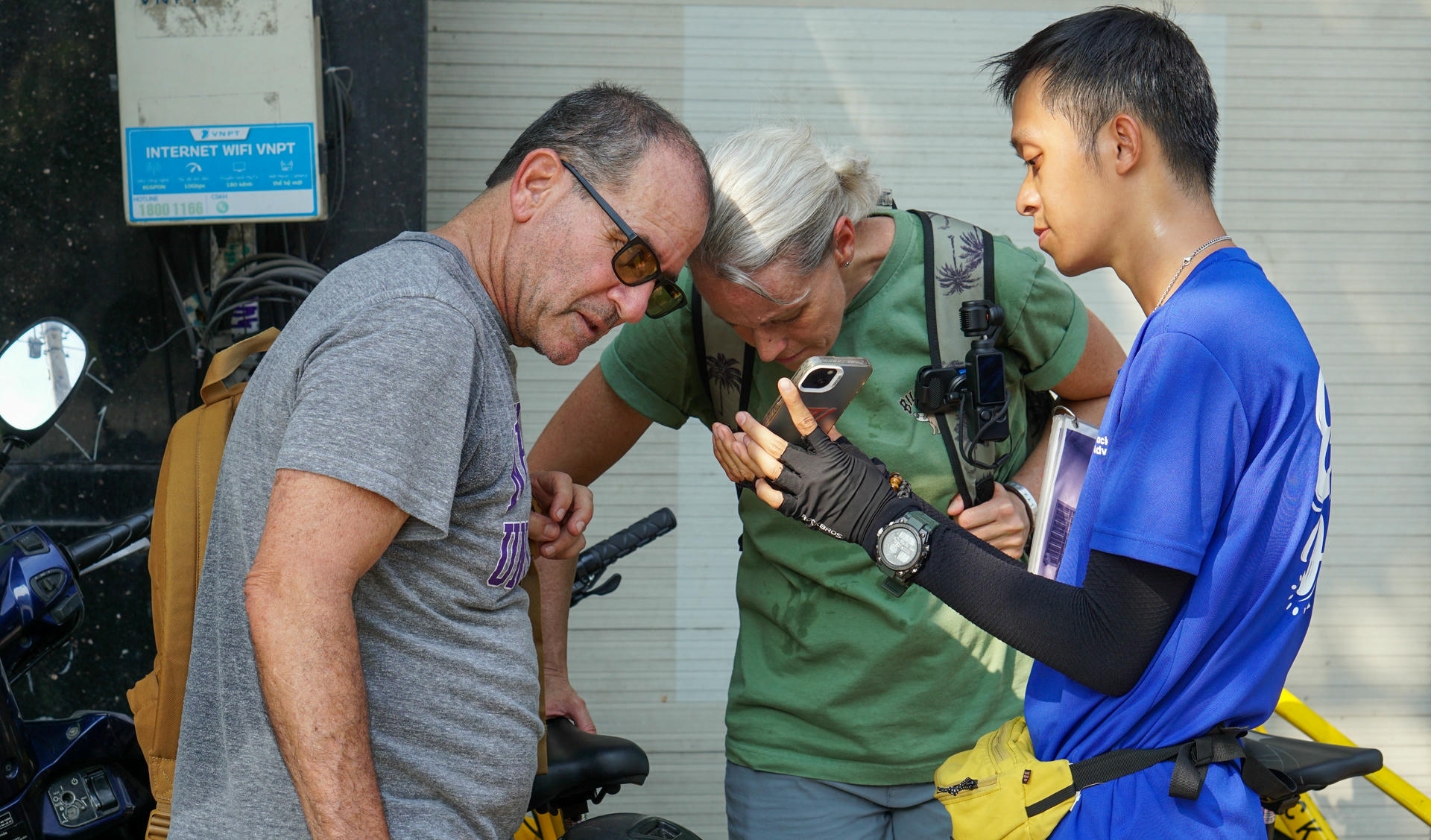
Vietnam is friendly and welcoming, but that does not mean every moment should be recorded up close. Be respectful when filming locals, especially in markets, villages, temples, and family-run businesses.
If someone is clearly the focus of your shot, smile, gesture to your camera, or ask first. Many people will not mind, but asking shows respect. If someone looks uncomfortable, lower your camera and move on. Good travel videos should never come at the cost of someone else’s privacy.
7. Show Scale and Contrast
Vietnam is full of contrasts, which is what makes it so visually interesting. Film the old and new together: a modern café beside a colonial building, motorbikes passing ancient temples, or a quiet pagoda near a busy street.
You can also show scale by placing a person in the frame. A traveler walking through the dunes of Mui Ne, standing beside giant limestone cliffs in Ninh Binh, or crossing a hanging bridge in the mountains helps viewers understand how large and impressive the scene really is.
8. Keep Your Clips Short but Useful
When filming, you do not need to record everything for a full minute. Short clips are often better. Aim for 5 to 10 seconds per shot, but make sure each clip has a purpose. Capture wide shots to show the location, medium shots to show the action, and close-ups to highlight details.
For example, if you are filming a floating market, you could capture a wide shot of the boats, a medium shot of a seller passing fruit, and a close-up of pineapples or coffee being prepared. This gives you more variety when editing later.
9. Organize and Compress Before Sharing
Travel footage can quickly take up space, especially if you are filming daily. At the end of each day, delete blurry clips, save your favorite shots, and organize files by location. This will make editing much easier when your trip is over.
If you plan to upload clips while traveling, especially with hotel Wi-Fi or mobile data, using a video compressor can help reduce file size without making your footage look poor. This is useful when sharing quick updates from places with weak internet connections.
10. Edit with the Feeling of the Trip in Mind
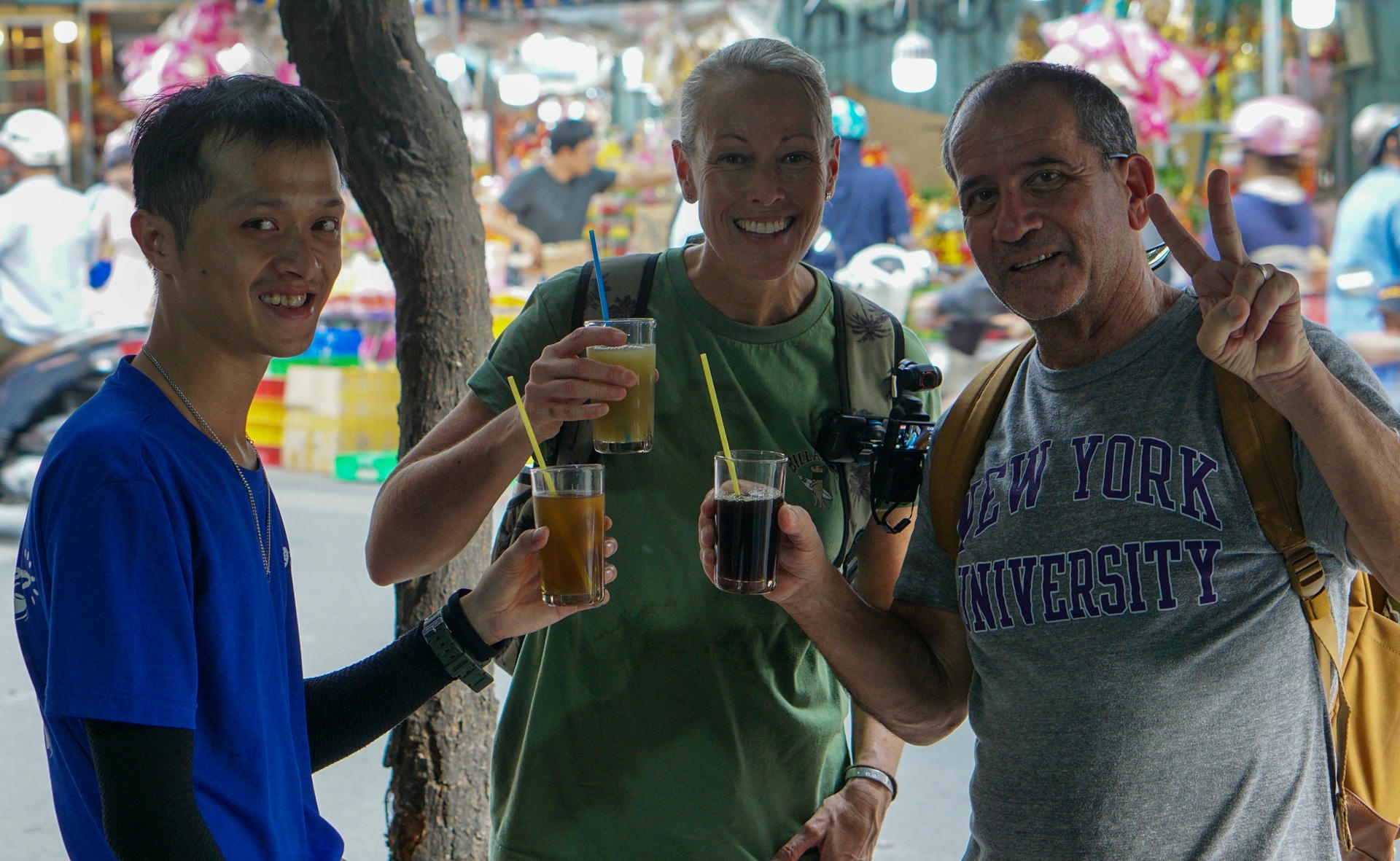
A good travel video does not need to include every place you visited. It should capture the journey’s feeling. Think about what stood out most. Was it the food, the landscapes, the people, the chaos of the cities, or the quiet moments between destinations?
Use a video editor to trim unnecessary clips, arrange your shots in a natural flow, and add music that matches the mood. You can also use an AI video tool to speed up simple tasks like adding captions, creating short social clips, or cleaning up rough footage, but keep your personal style and real travel experience at the center of the final video.
Final Thoughts
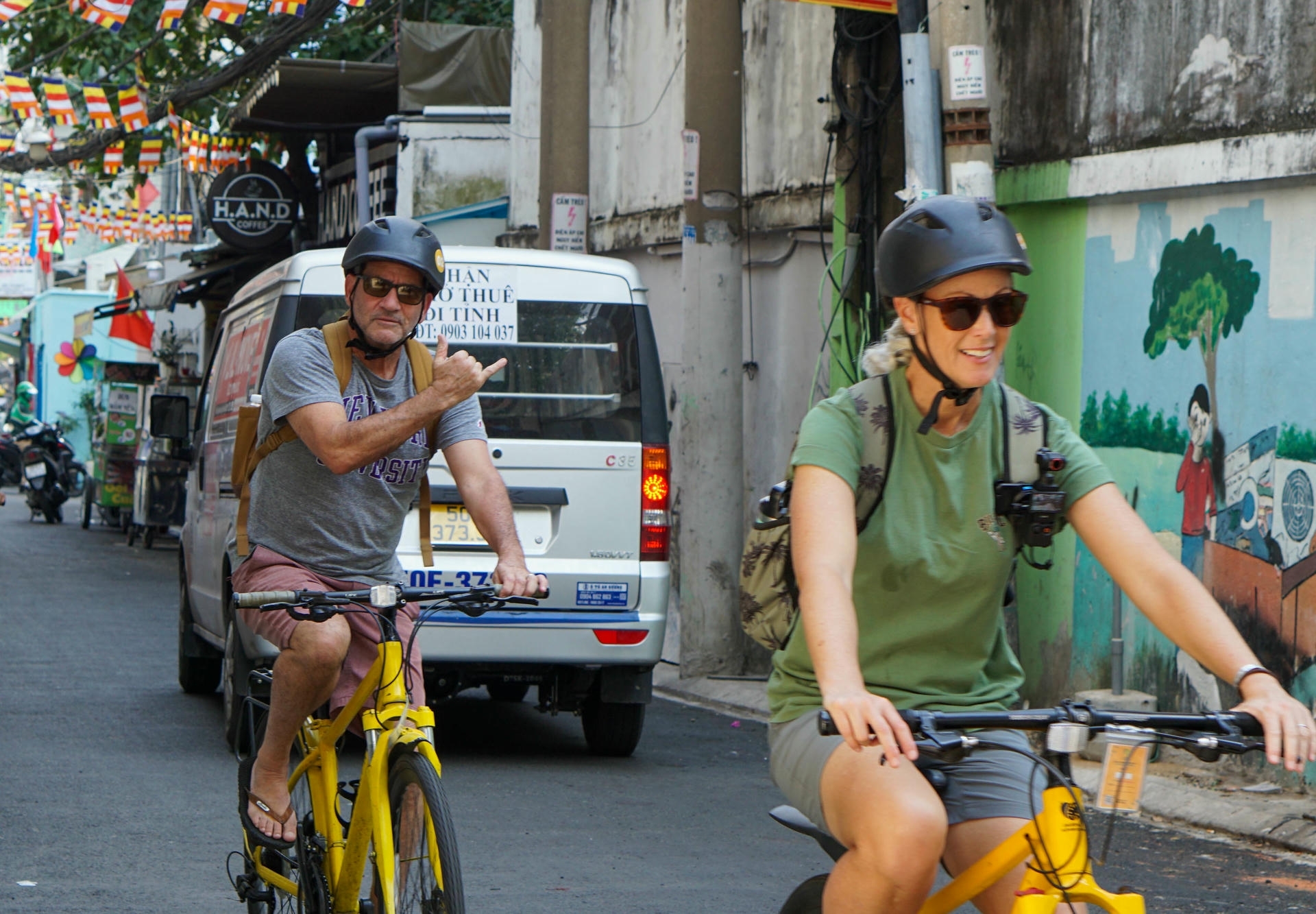
Filming better travel videos in Vietnam is not about having the most expensive camera or the most advanced gear. It is about paying attention. Notice the steam rising from a street food stall, the rhythm of motorbikes at a crossing, the way lanterns reflect on the river, or the quiet smile of a local guide.
Vietnam gives you endless material. Your job is to slow down, film with care, and tell the story in a way that feels honest, useful, and memorable. Here’s what you’ll notice when you come home: the best shots aren’t the sunsets or the picturesque streets. They’re the unplanned moment; a local’s laugh when you butcher Vietnamese, the shadow of a motorbike on an empty road, golden light at dawn. Because once you know how to look, Vietnam doesn’t run out of stories. It’s just waiting for someone patient enough to capture them.
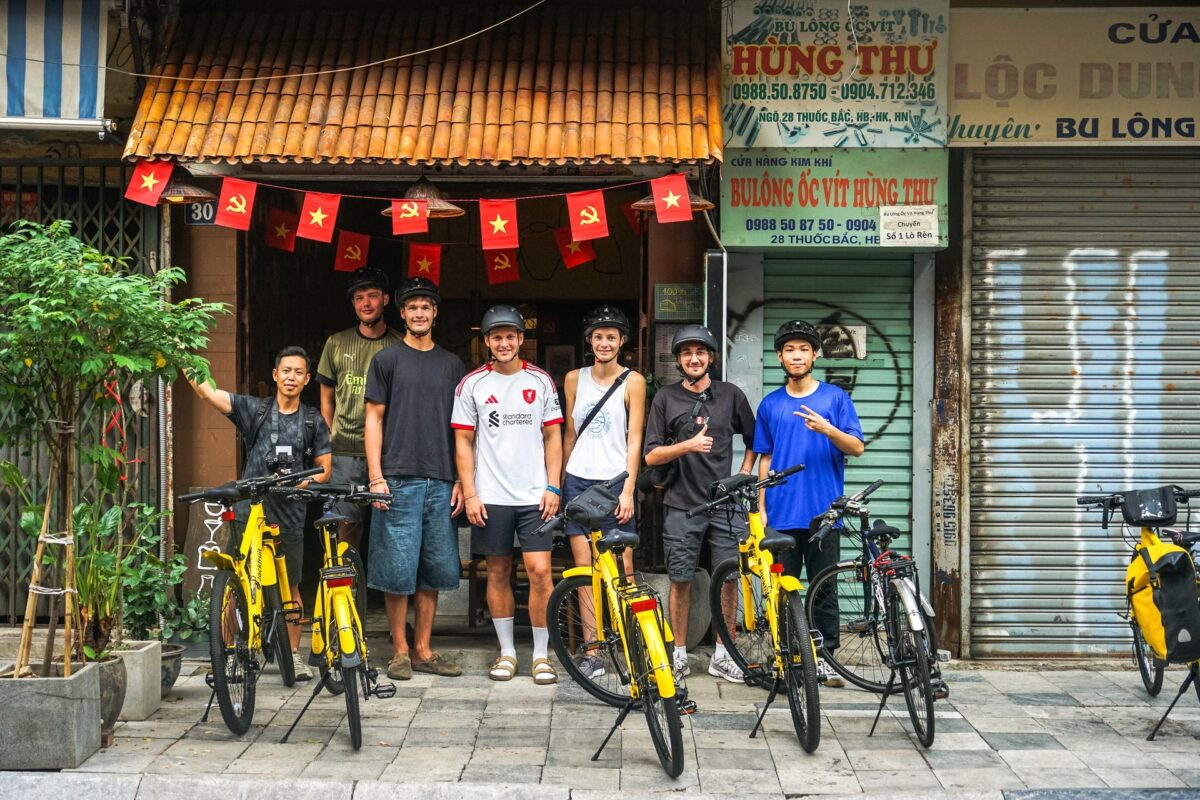
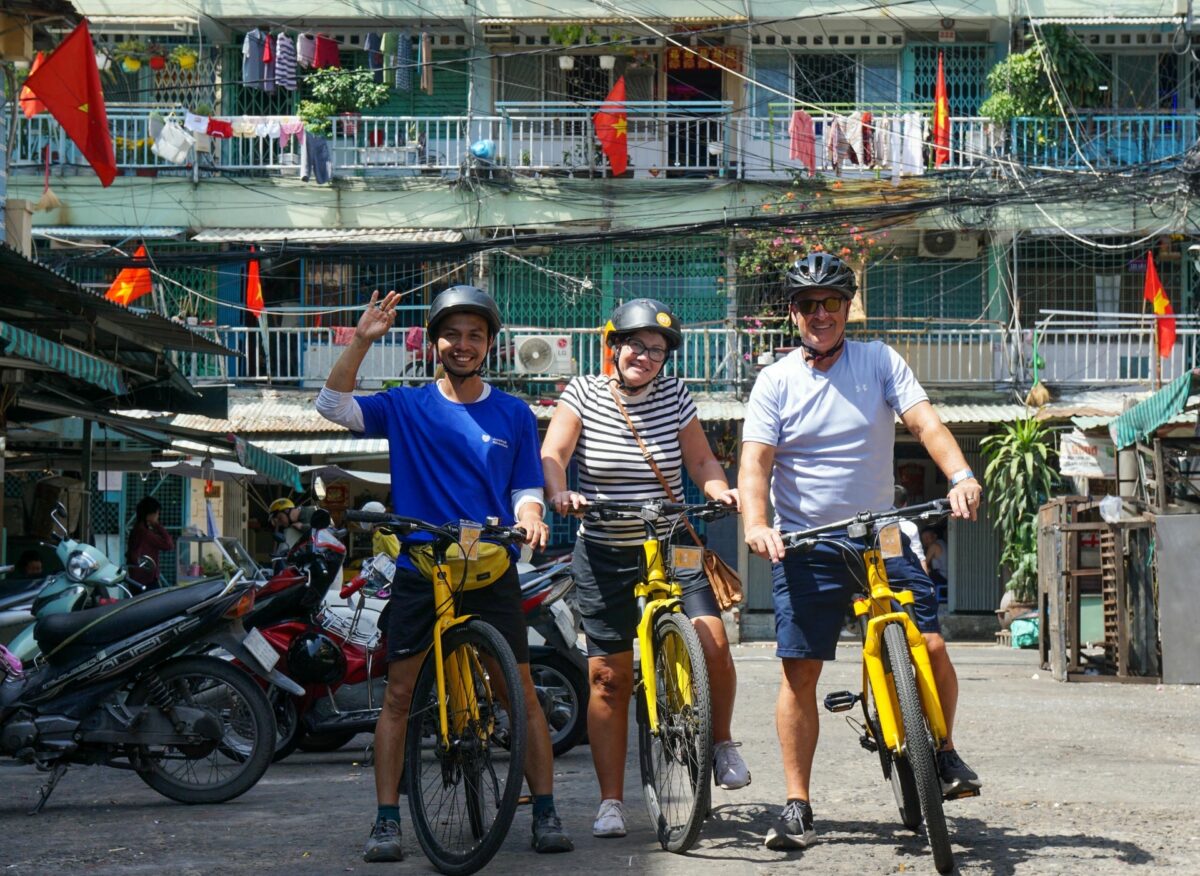
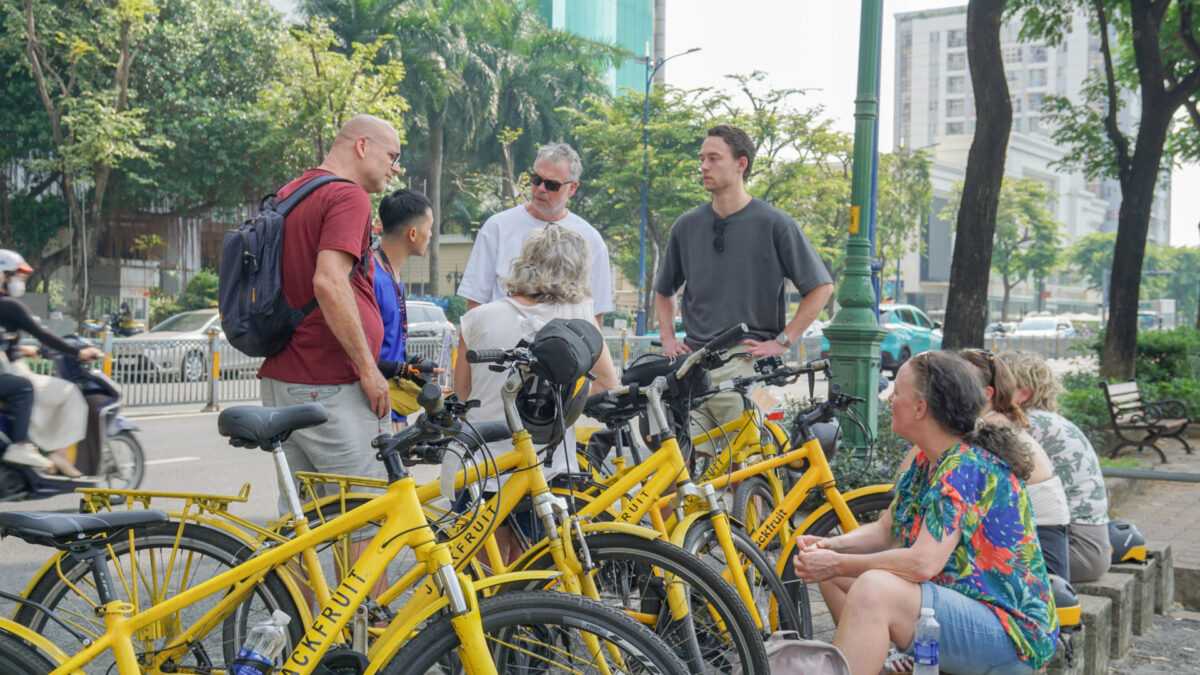
That’s exactly what Jackfruit city tour is. You’re not paying for a destination; you’re paying for the permission to slow down, the guidance to see deeper, and the memory that lasts long after the footage does. Ready to film your story?