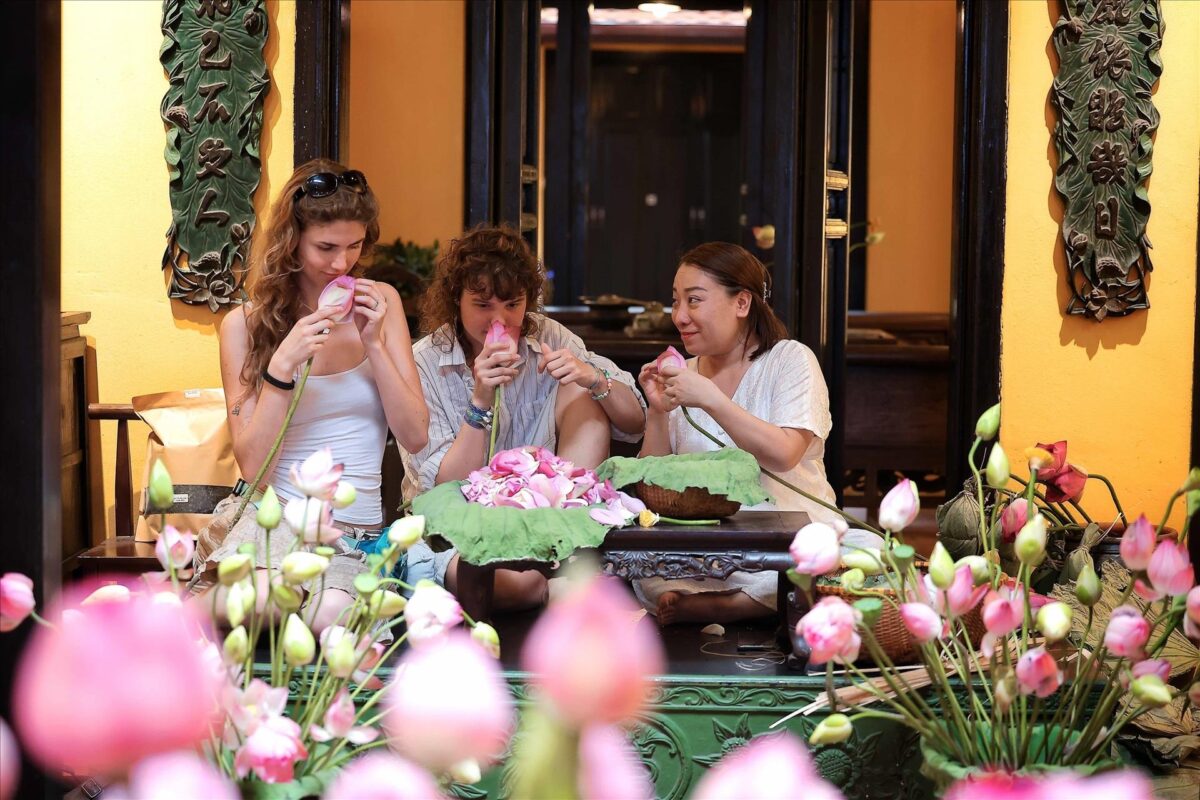


Table of Contents
What Makes Team-Building Activities for Work Retreats Different
A good retreat gives employees time to pause, reconnect, talk about what matters, and return to work with fresh energy. Unlike a typical company outing, a work retreat usually has a deeper goal. It might be to rebuild trust after a tough quarter, help new teams get to know each other, align leaders on a shared direction, or give employees a healthy way to reset after a busy period.
That’s why the best team-building activities for work retreats mix light movement, guided conversations, creative problem-solving, local exploration, and time for reflection. The aim isn’t just to make people laugh, but to help them understand how they work together.
Many team-building programs focus on action, like racing, competing, solving clues, or earning points. These formats work well for company outings, but a work retreat needs more balance. Employees need time to move and time to think. They need fun, but also honest conversations.
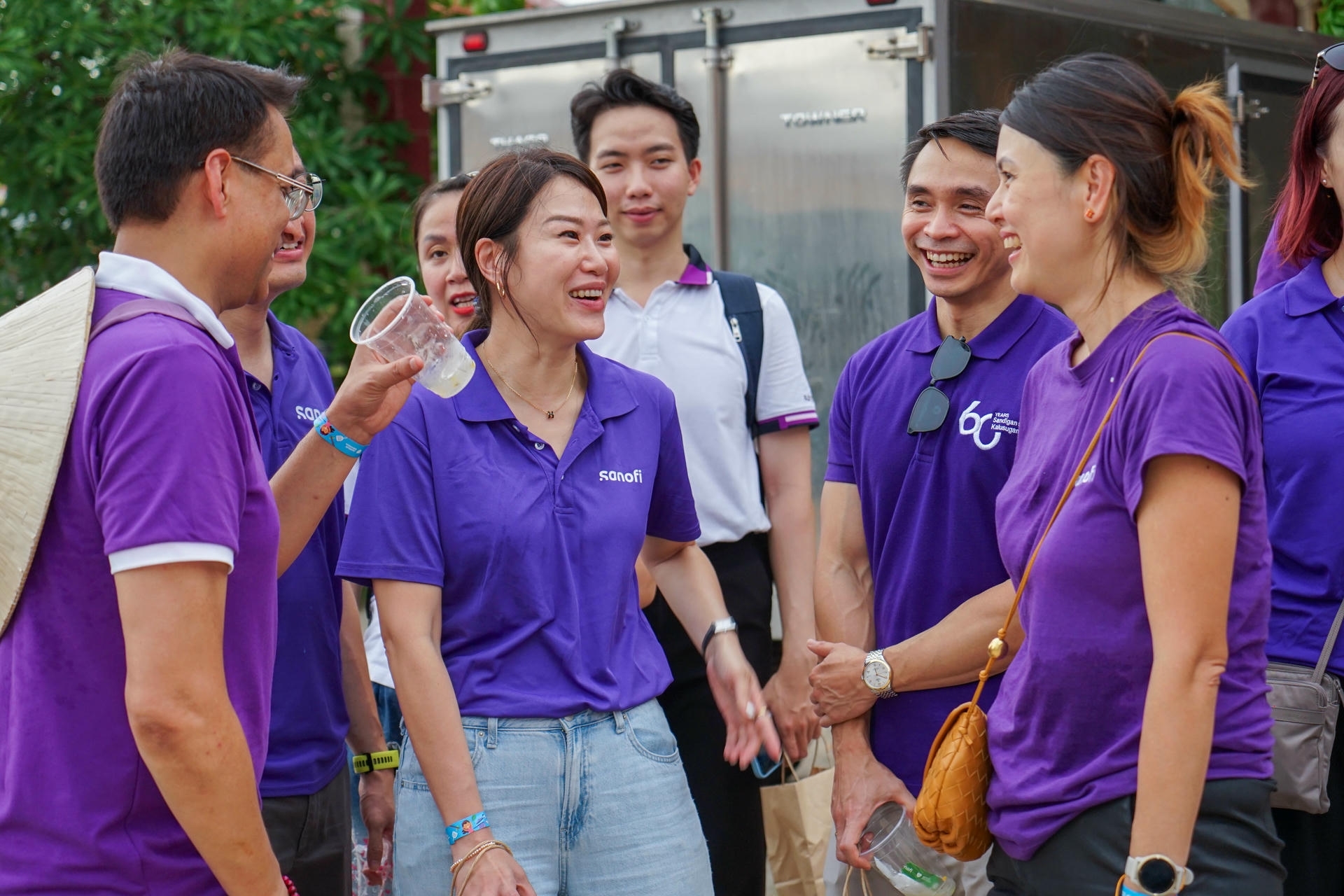
A helpful resource is this Babson College article about how company offsites help employees build wider workplace networks. It shows that retreats are most valuable when they help people connect beyond the workplace.
Teams can reset by the beach in Da Nang, reflect at a quiet resort near Da Lat, reconnect with a city-based program in Ho Chi Minh City, or mix indoor sessions with outdoor group activities. A work retreat needs more than fun. It needs activities that help people reconnect, rebuild trust, and return to work with clearer direction.
5 Fresh Team-Building Activities for Work Retreat Programs
1. Role Swap Challenge
A Role Swap Challenge helps employees understand each other’s pressures. In this activity, team members temporarily step into another role and respond to a realistic work scenario from that perspective.
For example, sales may take the perspective of operations, marketing may respond as customer service, and managers may act as frontline employees. The goal is not to perform perfectly. The goal is to build empathy across functions.
This is one of the most useful team-building activities for work retreat programs when departments often misunderstand each other. It also works well as a problem-solving activity for stronger teams because it helps people move from blame to perspective-taking.
Best for: cross-functional teams, departments with frequent handoffs, leadership retreats, customer-facing teams, and companies that want to improve internal empathy.
Why it works: it helps employees see the business from another team’s point of view. When people understand each other’s constraints, they communicate with more patience and solve problems with less blame.
2. Local Listening Walk
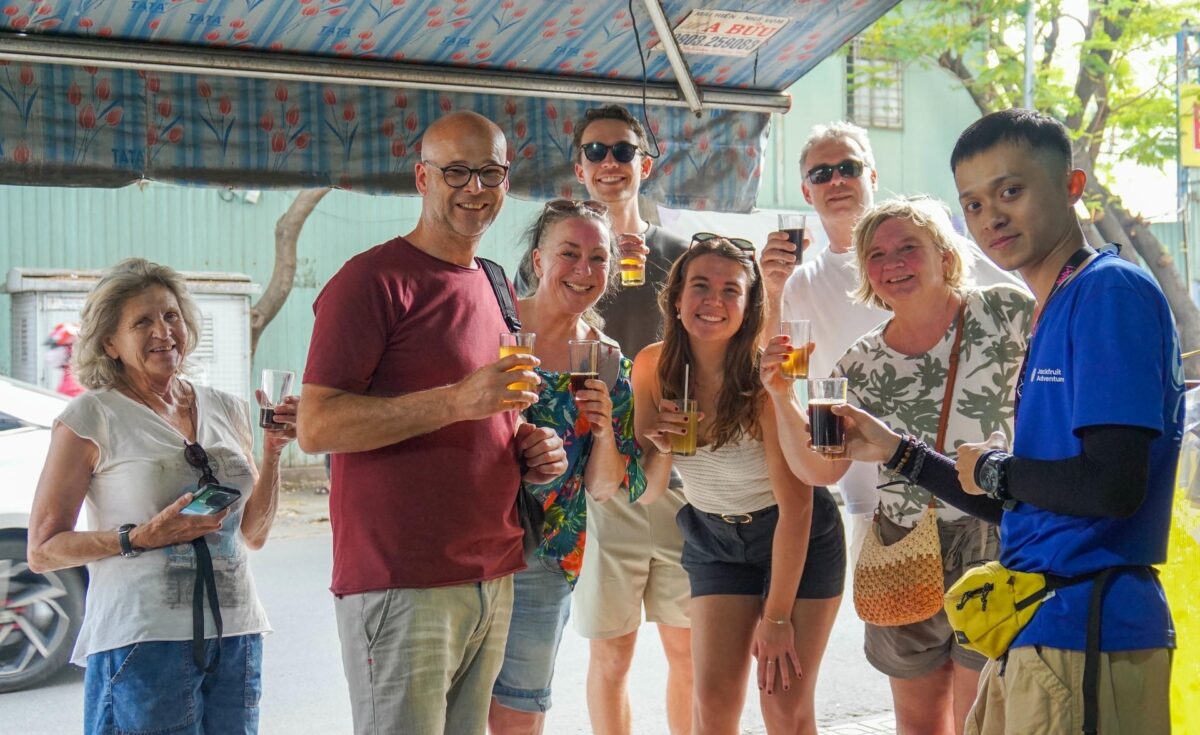
A Local Listening Walk is different from a race. Instead of rushing through checkpoints, small groups move through a selected neighborhood, market area, riverside route, or cultural district with guided observation prompts.
Participants may be asked to notice how people communicate, how small businesses serve customers, how public spaces are used, or how local communities solve everyday problems. The activity ends with a short sharing session about what the team observed and how it connects to their own work.
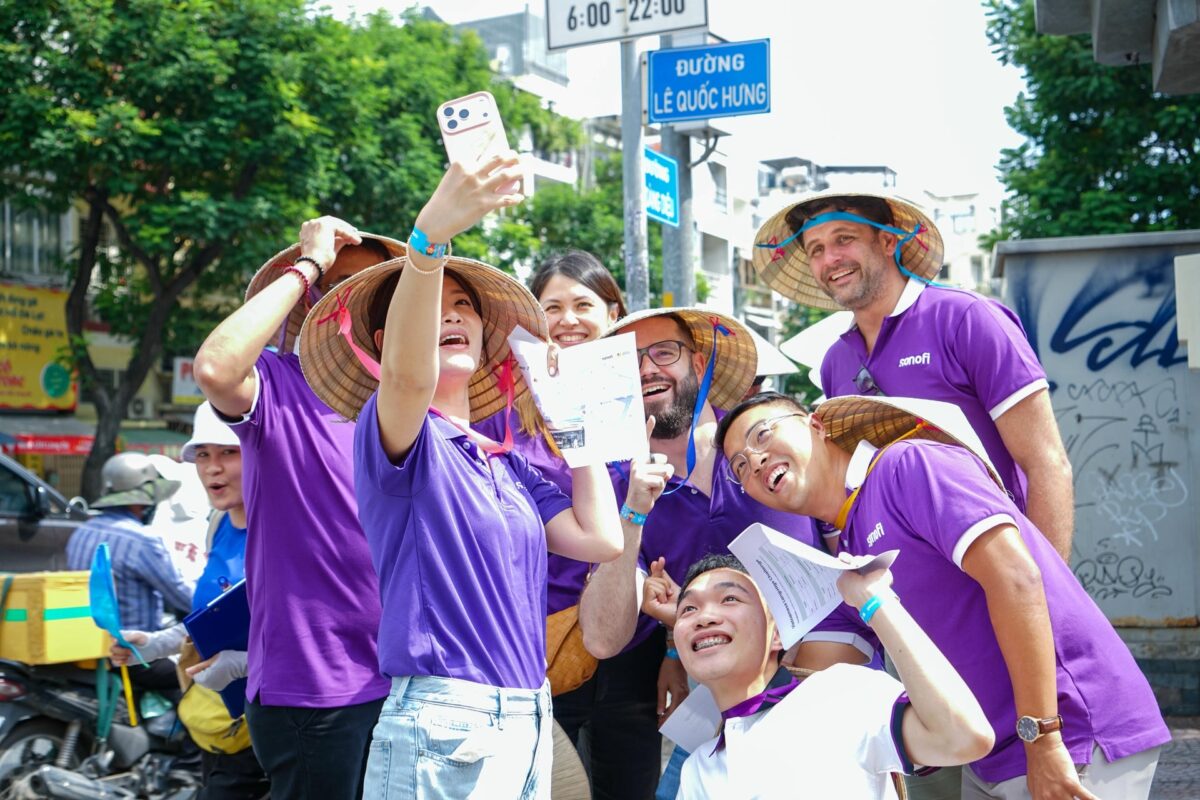
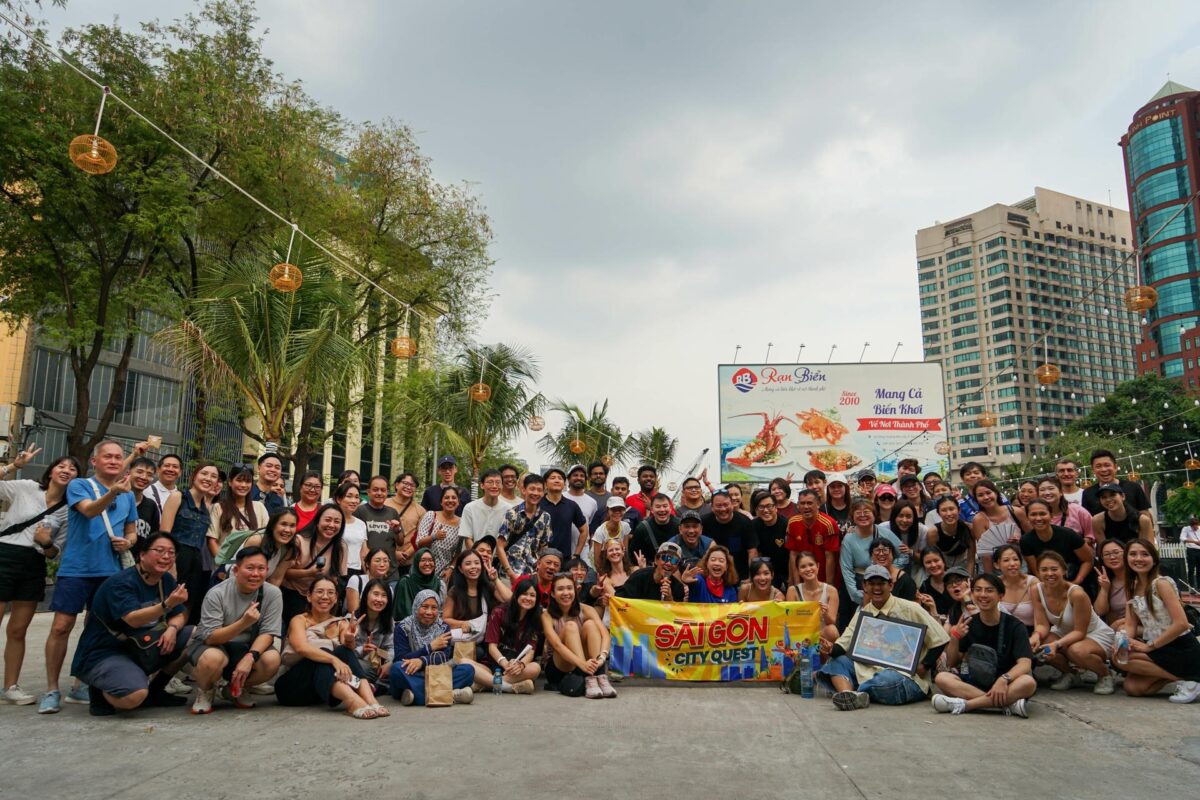
For city-based retreats, this format can connect naturally with Jackfruit Adventure’s Saigon City Quest team building experience, where teams explore local landmarks, solve clues, and turn the city into a shared learning space.
Best for: city-based work retreats, international teams, customer experience teams, creative teams, leadership groups, and companies that want a slower, more thoughtful activity.
Why it works: it turns the destination into a learning space. Teams slow down, observe real human behavior, and connect local insights back to communication, service, culture, and teamwork.

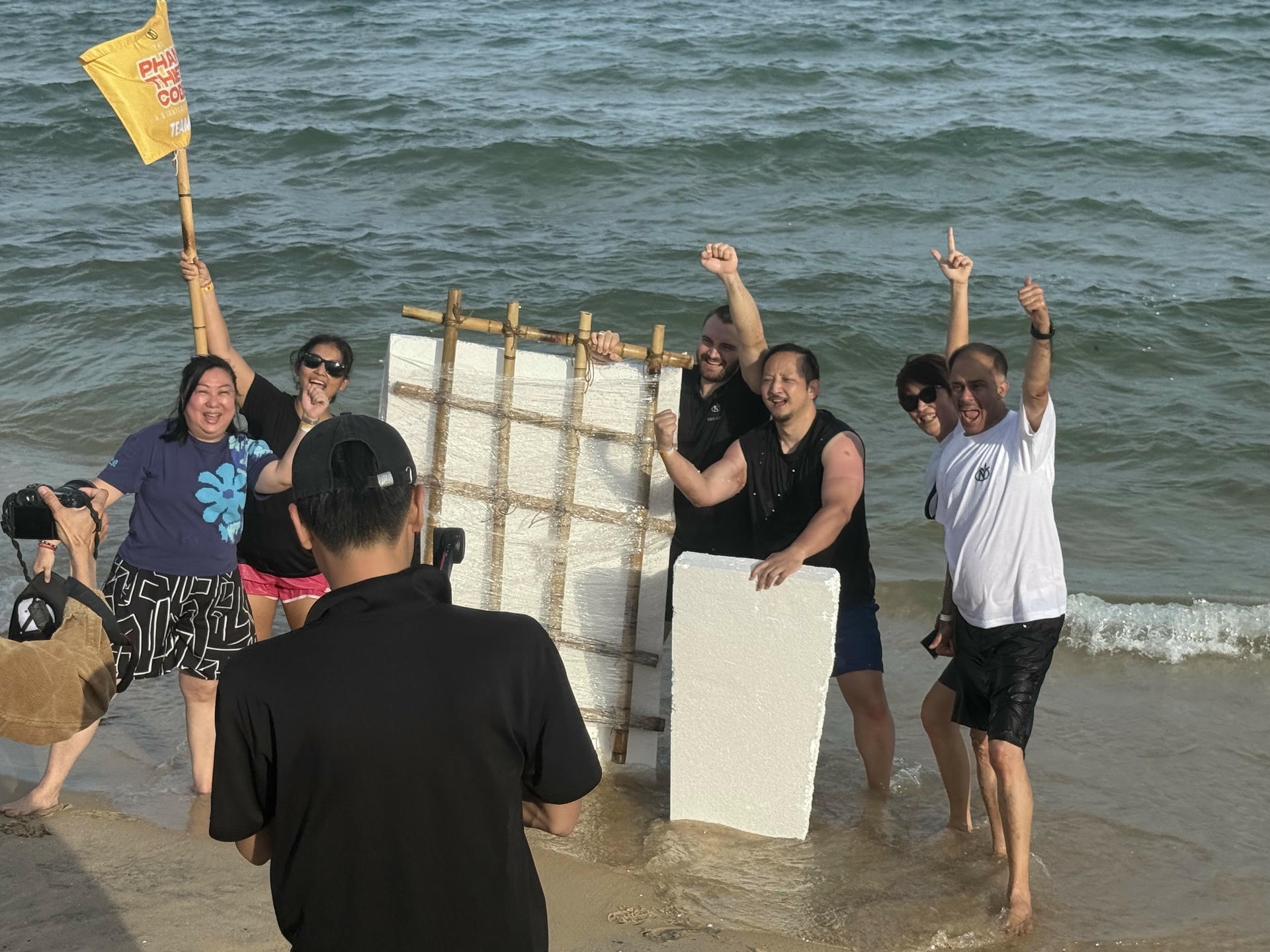
3. Beach Team Reset Challenge
Beach Team Reset Challenge is an active retreat activity designed for teams at a beach destination. Instead of sitting in a workshop room, participants work in small groups to complete light outdoor missions on the sand, such as building a team symbol, solving a beach-based puzzle, completing a communication relay, or creating a short team message for the year ahead.
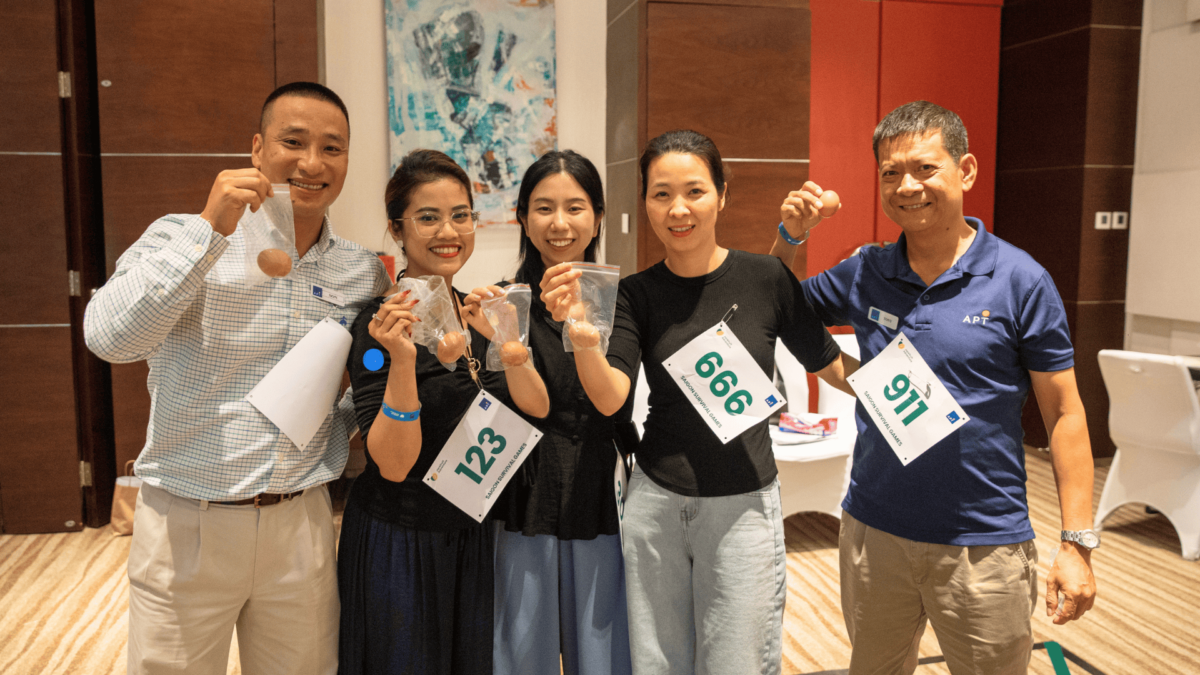
The activity can be designed with several stations. One station may focus on trust, another on communication, another on creativity, and another on problem-solving. Teams move through each challenge together, then gather for a short sharing moment at the end to connect the experience back to work.
This format fits especially well with company retreats in Da Nang and Hoi An, where a beach setting, local culture, and retreat planning can work together to help teams reset.
Best for: beach retreats, company offsites, mixed departments, leadership groups, and teams that want a balance of fun, movement, and reflection.
Why it works: the beach setting makes the activity feel less formal than office-based team building. Teams can laugh, move, create, and solve problems together while still ending with a meaningful retreat takeaway.
4. Painting a Shared Vision Together
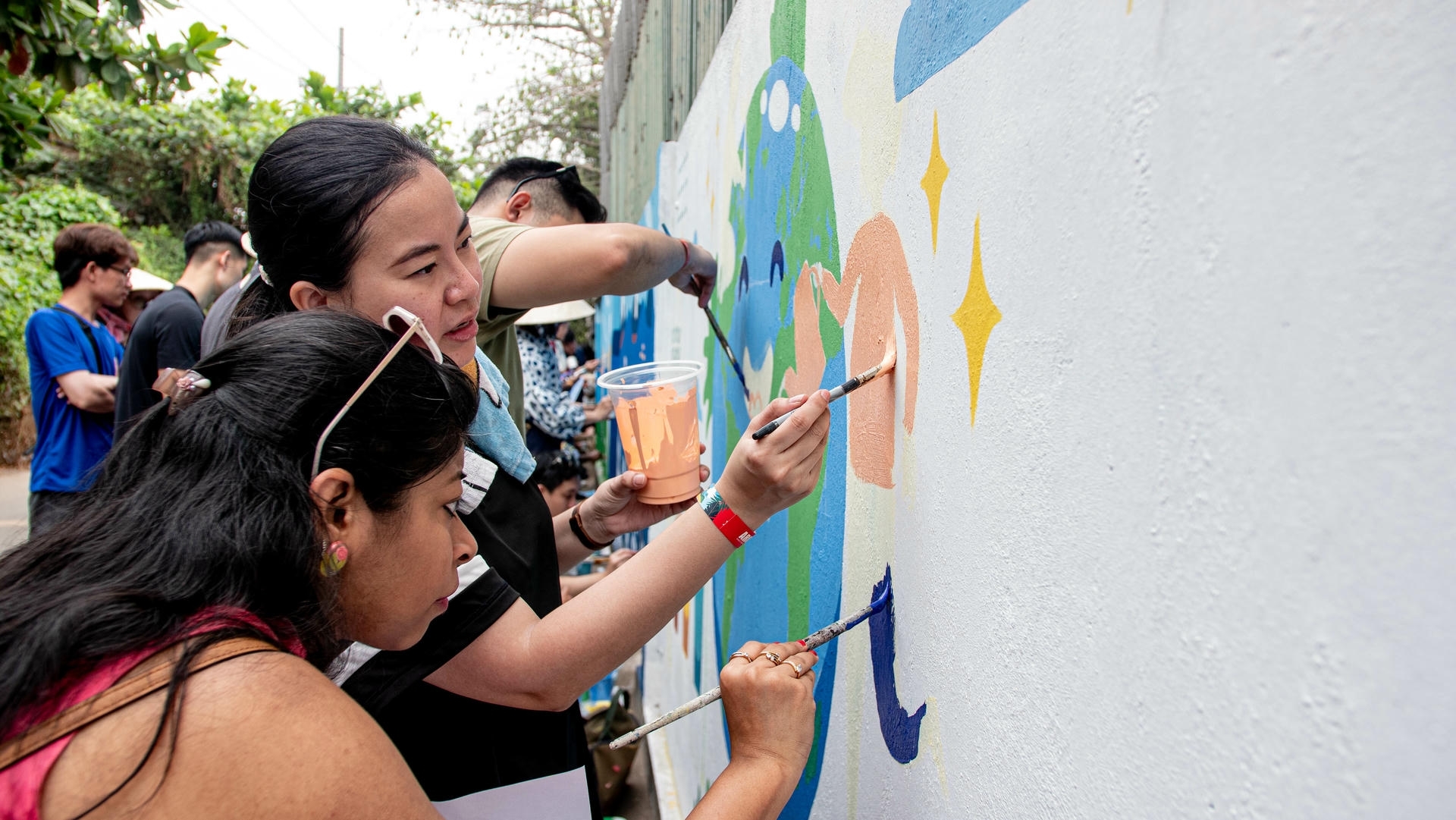
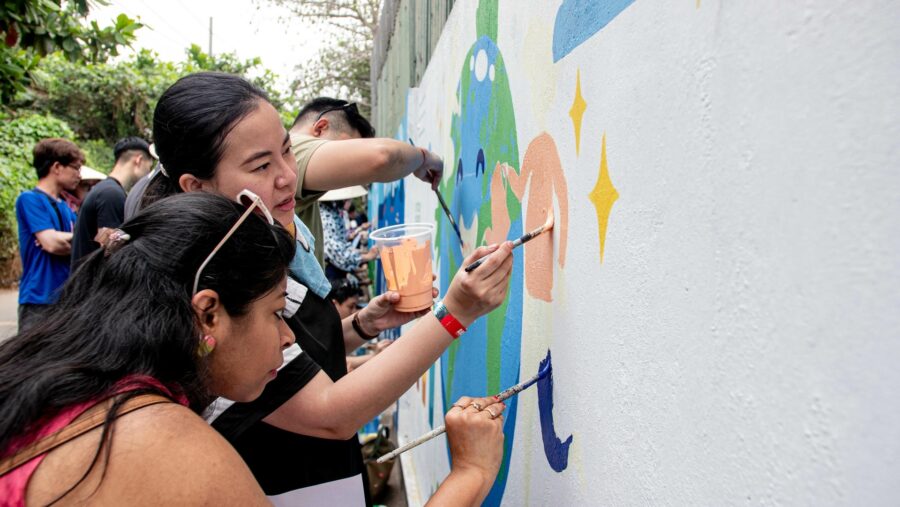
Painting a Shared Vision Together is a creative Jackfruit Adventure activity where teams turn their ideas, values, and retreat reflections into one shared artwork. Instead of only talking about collaboration, participants make it visible through colors, symbols, shapes, and short messages.
Each group can be responsible for one part of the final piece. One team may express communication, another may focus on trust, while another may show customer focus, innovation, or wellbeing. When all parts are placed together, the artwork becomes a visual reminder of what the team wants to build after the retreat.
This is one of the most suitable team-building activities for work retreat programs because it connects creativity with alignment. It gives employees a calm but meaningful way to reflect, contribute, and leave with something tangible from the day.
Best for: company retreats, leadership alignment, culture-building sessions, large groups, and teams that prefer creative connection over heavy competition.
Why it works: it turns abstract retreat ideas into a shared visual outcome that the company can photograph, keep, and revisit after the retreat.
5. Heart & Hands: Cook, Build & Share
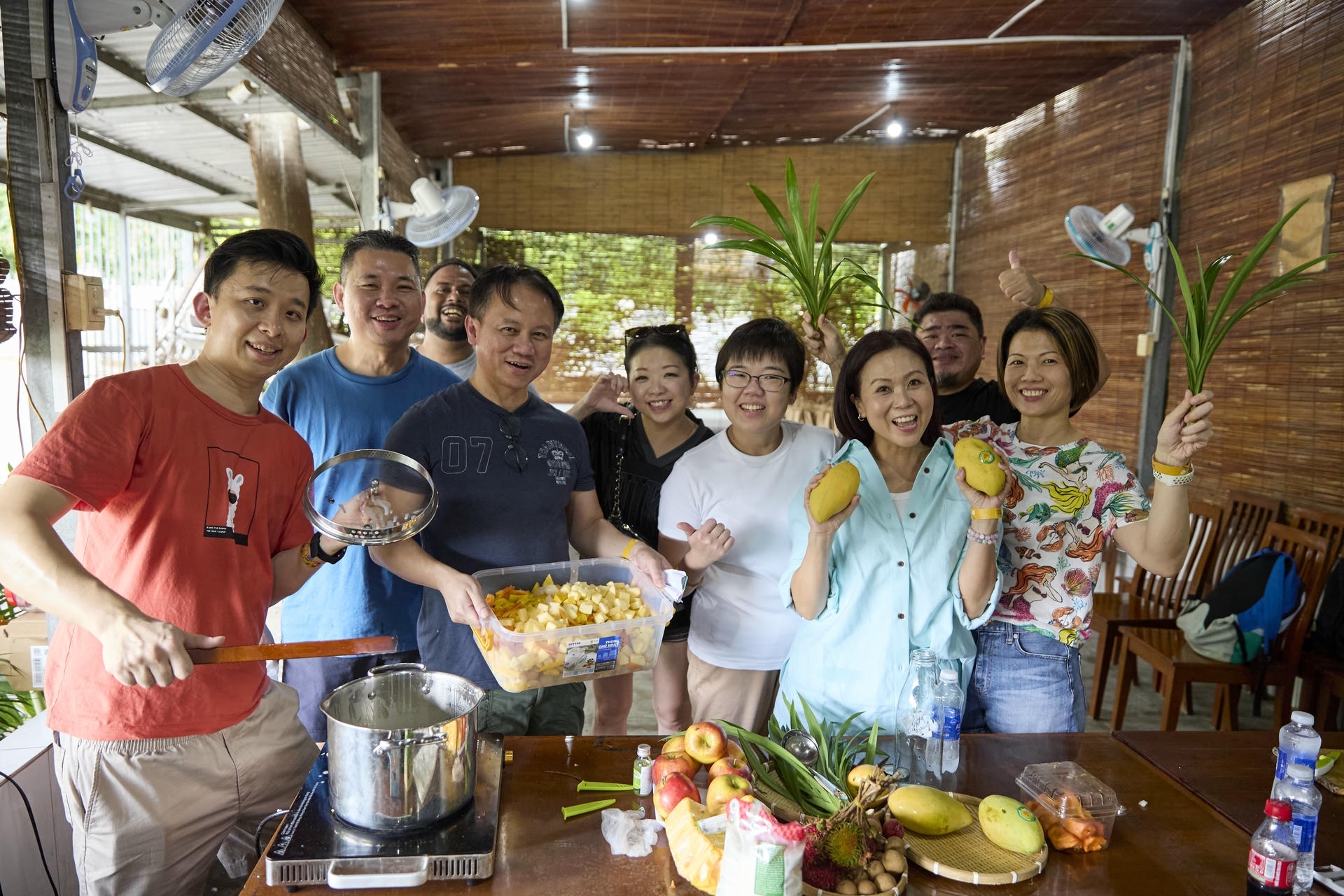
Heart & Hands: Cook, Build & Share is a Jackfruit Adventure activity that combines local discovery, cooking, teamwork, and social impact. Teams explore markets, gather ingredients, cook together, and create joyful activities to support children at a local orphanage or community partner.
This activity works especially well for work retreats because it gives people a real reason to collaborate. Some team members can plan the meal, others can manage ingredients, others can prepare activities, and others can support the final sharing moment. Everyone has a role, and the result goes beyond internal bonding.
Among team-building activities for work retreat programs, this format is strong because it balances warmth, purpose, movement, and reflection. It helps employees connect as people, not just colleagues, while also creating a meaningful contribution outside the company.
Best for: CSR-focused retreats, international teams, large groups, mixed departments, and companies that want a human-centered retreat experience.
Why it works: it turns the retreat into a shared act of care. Teams do not only complete a challenge; they cook, build, share, and create a memory with real social value.
Insider Detail: How Jackfruit Designs Retreat Flow on the Ground
A strong retreat does not start with choosing games. It starts with understanding the team’s energy, travel schedule, meeting rhythm, and emotional goal for the day. From Jackfruit Adventure’s experience running company retreats in Vietnam, the best programs usually need a careful balance between movement, local discovery, quiet reflection, and smooth logistics.
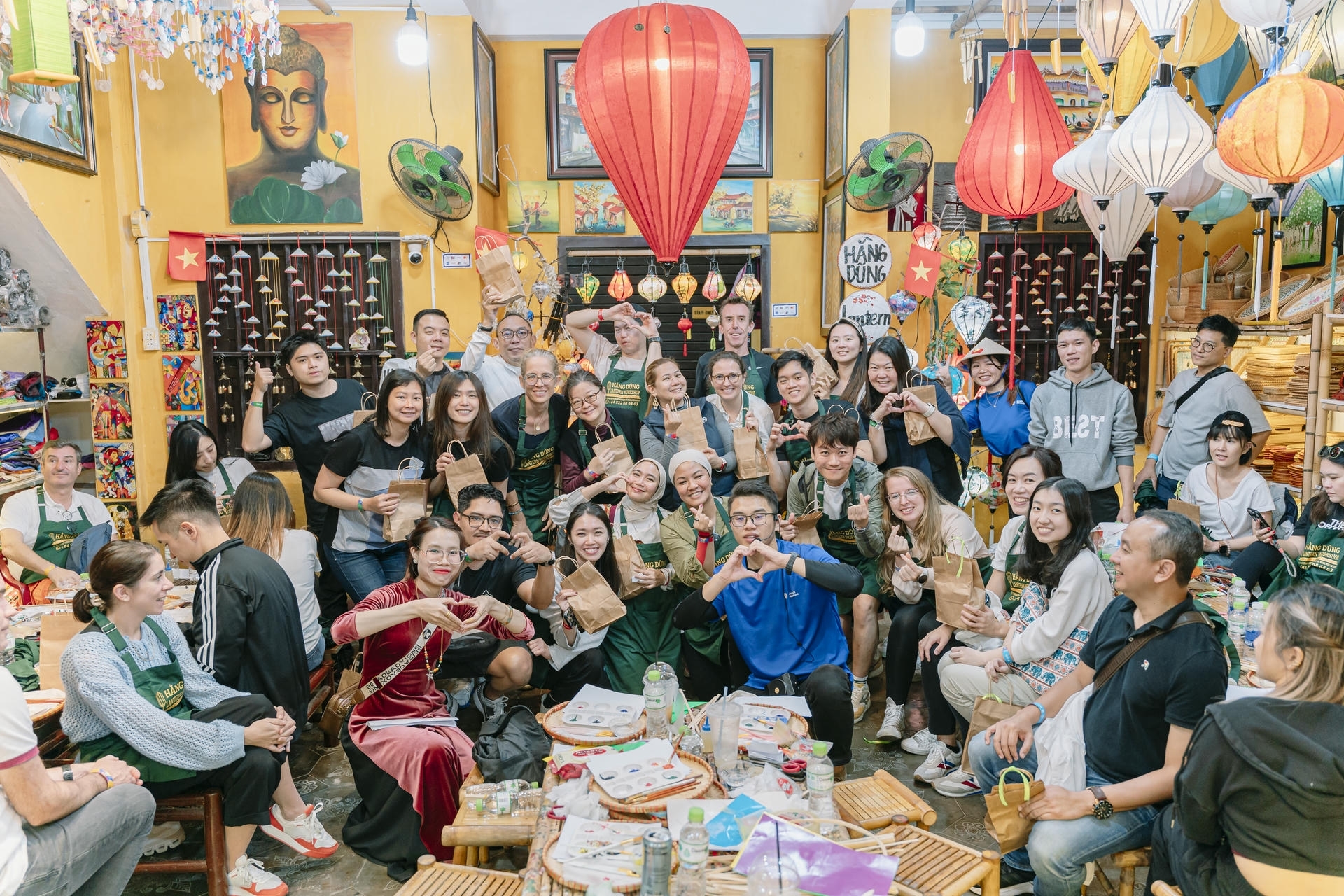
For example, when a retreat moves between Da Nang and Hoi An, the team has to consider real travel time, group arrival energy, weather, walking distance, local traffic, and how much information participants can absorb before the activity starts. In one Hoi An retreat, Jackfruit Adventure used a 45-minute transfer from Da Nang, a short cultural orientation, illustrated maps, bilingual clue booklets, and carefully selected checkpoints such as Hoi An Central Market, Phuc Kien Assembly Hall, and a lantern-making workshop. This kind of structure helps the activity feel natural instead of rushed.
The small operational details matter. Teams need clear instructions before they split into groups. Checkpoints should be close enough to keep the energy flowing but meaningful enough to create real interaction. Reflection moments should not be placed when people are tired, hungry, or distracted. Facilitators also need backup timing, simple scoring, local partner coordination, and enough flexibility to adjust the flow if the group moves faster or slower than expected.
That is why well-planned team-building activities for work retreat programs should be designed as a full experience journey, not a list of disconnected games. The route, pace, team division, local touchpoints, facilitator cues, and closing reflection all need to work together.
Guest Story: A Retreat Designed Around Reset, Not Just Fun
A regional team came to Vietnam after a demanding business period. The company did not want a noisy day of random games. They wanted employees to feel refreshed, reconnect across departments, and leave with a clearer sense of shared direction.
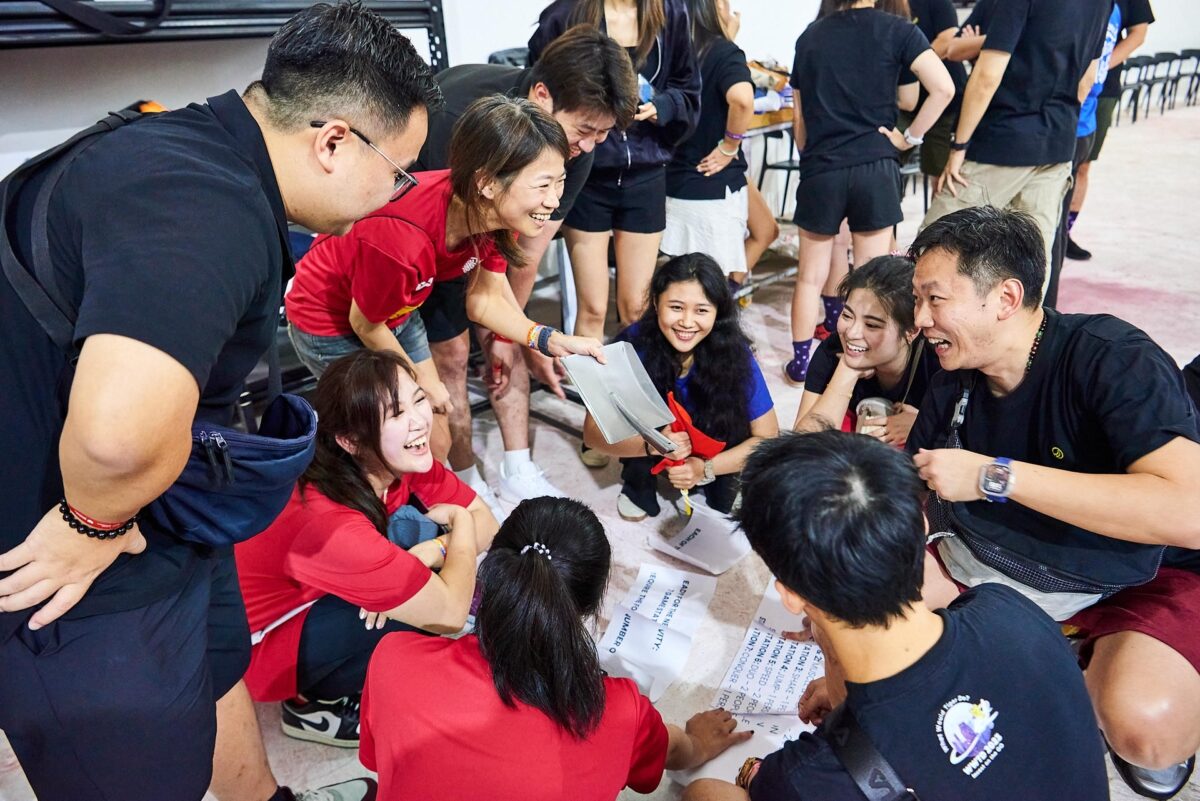
Jackfruit Adventure designed a retreat flow that began with a light outdoor warm-up, moved into small-group reflection, and ended with a shared commitment session. Instead of asking employees to compete all day, the retreat gave them space to speak honestly, notice each other’s strengths, and agree on what should change when they returned to work.
The result was a retreat that felt human, practical, and calm. It still included movement and laughter, but the strongest moment came when teams named the habits they wanted to protect and the habits they wanted to improve.
This is why well-designed team-building activities for work retreat programs should align with the team’s emotional needs. Some teams need high energy. Others need reflection, repair, alignment, or renewal.
Common Mistakes When Choosing Team-Building Activities for Work Retreat
The first mistake is copying a normal company outing agenda. A work retreat needs more purpose than a casual fun day. If the activity does not connect to trust, alignment, culture, or communication, it may feel disconnected from the retreat goal.
The second mistake is making the retreat too intense. Employees may already be tired when they arrive. Too many workshops, competitions, or physical activities can make the retreat feel like another work task instead of a reset.
The third mistake is avoiding meaningful conversation. Some retreat planners focus only on entertainment because they worry reflection will feel too serious. In reality, guided reflection can be light, practical, and energizing when facilitated well.
The fourth mistake is forgetting follow-up. The best team-building activities for work retreats create one or two clear actions the team can bring back to work. Without follow-up, the retreat is just a nice memory, not a real change.
How to Choose the Right Retreat Activity
Before picking an activity, start with the retreat’s goal. Is the team trying to rebuild trust, welcome new employees, align leaders, celebrate results, improve communication, or recover after a stressful period?
Then consider the group’s energy level. A tired team may need calm connection before active challenges. A newly formed team may need light movement and simple conversation. A leadership team may need decision-making simulations and strategic reflection.
Finally, choose a setting that supports the goal. A city-based retreat can create discovery and movement. A resort retreat can support deeper reflection. A nature-based retreat can help people slow down and reset. A hybrid retreat can combine meetings, outdoor activity, and facilitated discussion.
Jackfruit Adventure can help companies in Vietnam design team-building retreats with the right mix of activities, facilitation, logistics, and reflection for each purpose.
Plan Team-Building Activities for Work Retreat With Jackfruit Adventure
A strong work retreat should give your team more than a break. It should create space for people to reconnect, talk honestly, understand each other better, and return to work with practical commitments.
Jackfruit Adventure helps companies in Vietnam with customized corporate event services, including retreat activity design, facilitation, logistics, group activities, CSR elements, and moments for reflection. For destination planning, companies can also check out Jackfruit Adventure’s guide to the best corporate retreat locations in Vietnam.
Share your group size, retreat date, destination, budget range, and team goal. Jackfruit Adventure will help you design a retreat that aligns with your people, energy, and business goals.