

Table of Contents
Visiting the Ho Chi Minh Mausoleum is unlike any other experience in Hanoi. I’ve seen so many photos of this historical site before, but standing in front of it was something else entirely! The building’s symmetry, the stillness of the square, and the calm pace of visitors creeping inside – it all made me stop and take things in more slowly than I expected. And as I explored the different things to do in Ho Chi Minh Mausoleum, I realized just how meaningful this place is to the city.
Why the Ho Chi Minh Mausoleum Holds a Unique Place in Vietnam’s History
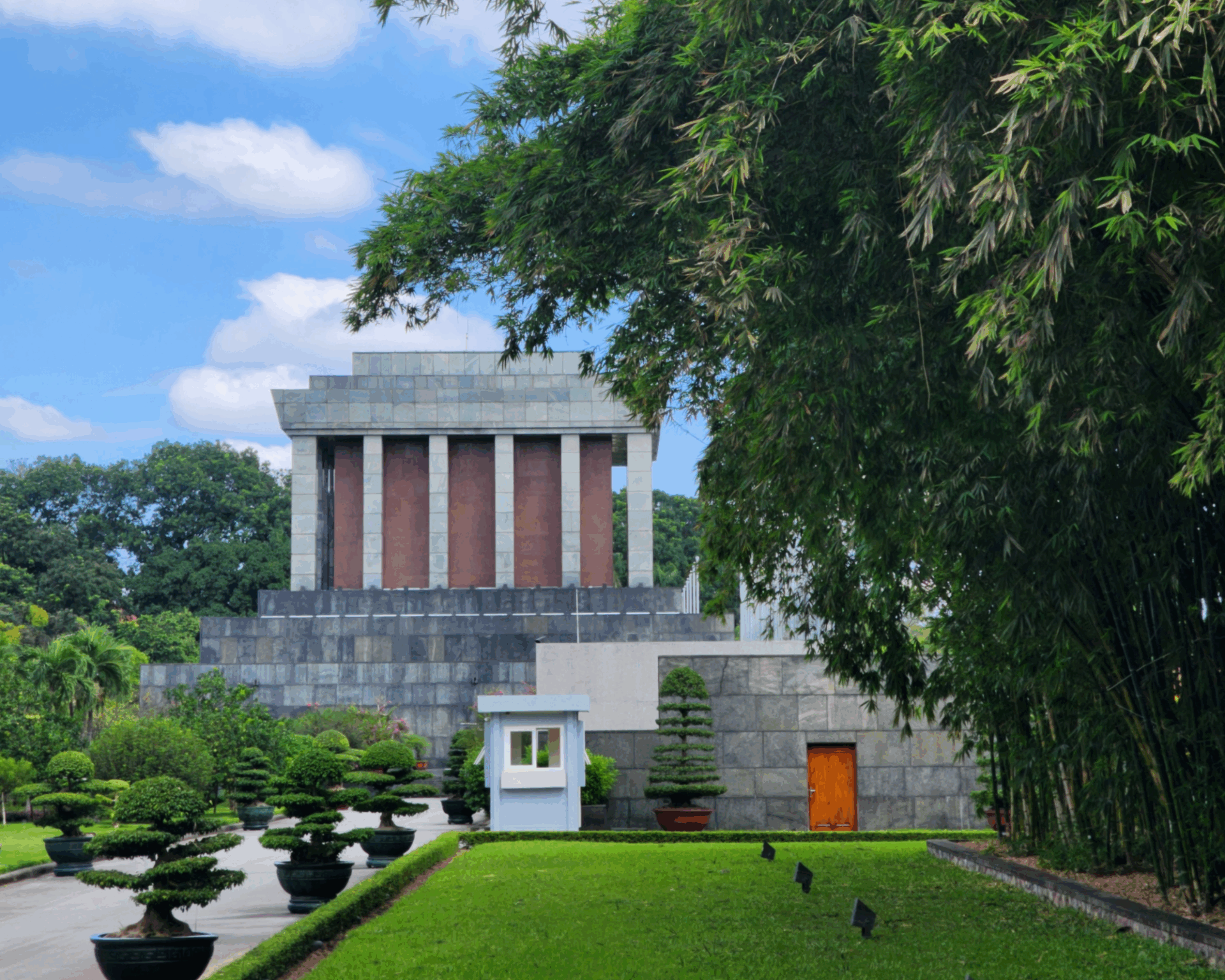
Before I came to the Ho Chi Minh Mausoleum, I’d always wondered why Vietnamese people speak about this place with such sincerity and respect. I guess whenever you hear about this historical site, phrases like “a must-visit place”, “deeply meaningful”, “a place for history lovers” immediately come to your mind, but none of that truly clicks until you’re actually standing there yourself, thinking about all the things to do in Ho Chi Minh Mausoleum and its surrounding complex.
What makes the Ho Chi Minh Mausoleum so special is not just the fact that it houses the preserved body of Uncle Hồ, but the profound emotional connection that Vietnamese citizens share with this beloved leader. As I witnessed many families, veterans, students, and even early-morning visitors quietly lining up outside, I quickly realised this is a remembrance. Even as an outsider, it’s impossible not to feel the solemn ambience that surrounds the square.
Honestly, that kind of ambience is precisely what made me want to explore further about Ho Chi Minh Mausoleum, like “How was this mausoleum built?” or “Why stories lie behind its architecture, its rituals and the entire complex around it?” Once you feel that connection, the rest of the complex becomes even more fascinating!
What to See and Do Around the Ho Chi Minh Mausoleum Complex?
1. Explore Ba Đình Square
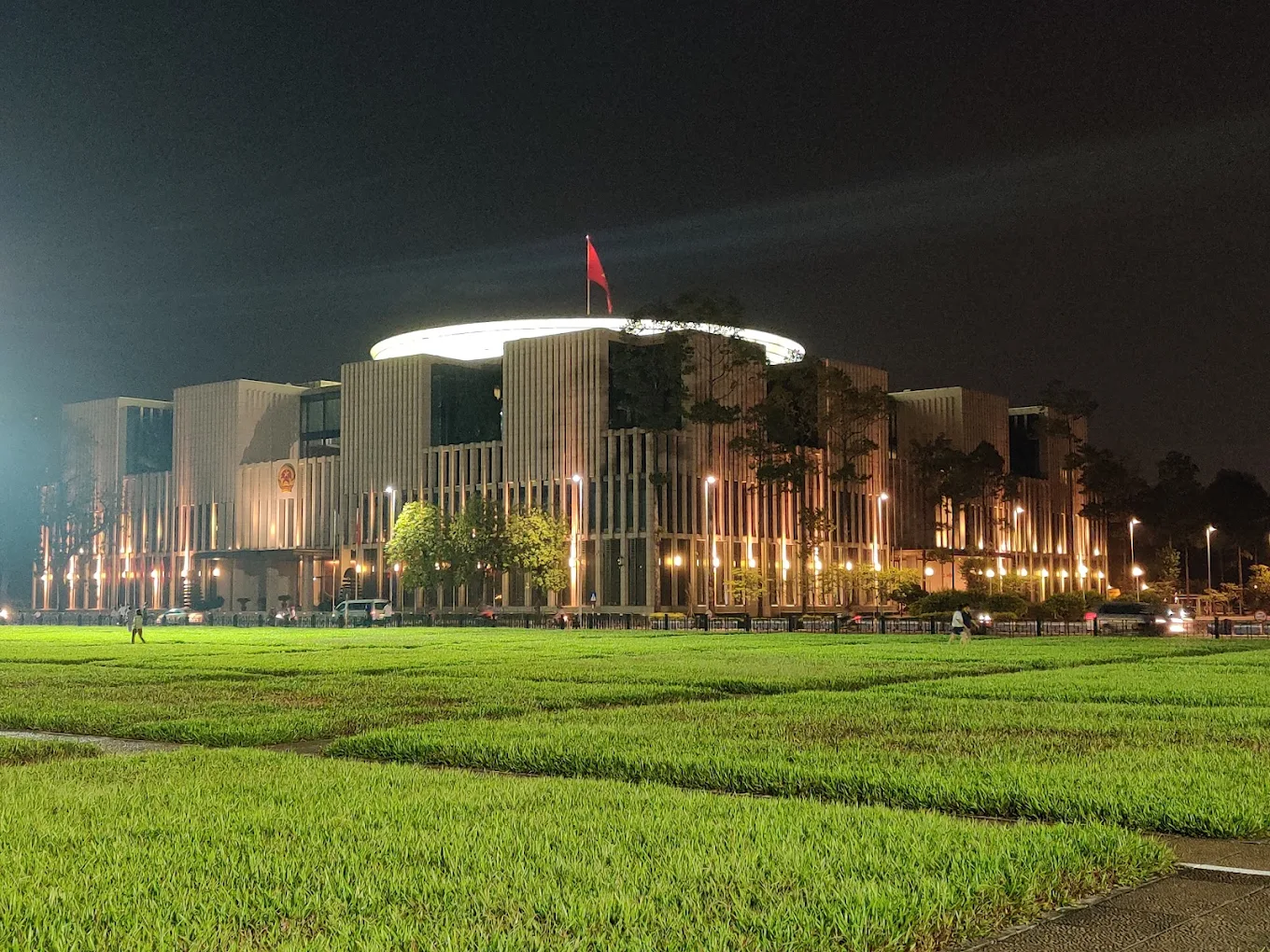
Before entering the Ho Chi Minh Mausoleum, I took some time to walk across Ba Đình Square, and I was surprised by how carefully this entire space was rebuilt. The square covers about 20,000 m² and is divided into 176 neat grass plots, kept lush year-round by an underground irrigation and drainage system. For every visitor, taking in this iconic square is one of the best things to do in Ho Chi Minh Mausoleum, especially if you want to feel the grandeur that surrounds the site.
Beneath the walkways of Ba Đình Square is a hidden network of water pipes, electrical lines, and ventilation ducts that support national ceremonies and large gatherings held here. Everything seems designed to prepare you for the solemn experience of visiting the Ho Chi Minh Mausoleum just ahead!
2. Attend the Flag Raising and Lowering Ceremonies

If there’s one thing I wish every visitor could witness, it’s the Lễ Thượng Cờ (Flag Raising Ceremony at dawn) or Lễ Hạ Cờ (Flag Lowering Ceremony at dusk) – one of the most meaningful things to do in Ho Chi Minh Mausoleum. This ceremony is not only a national ritual but also carries sacred meaning and evokes a strong sense of pride and unity among the Vietnamese people.
One interesting fact is that this solemn ceremony has been held since 2001 to mark the 111th birthday of President Hồ Chí Minh. The Flag Raising Ceremony at the Ho Chi Minh Mausoleum takes place daily at Ba Đình Square at 6:00 AM during the summer season (April 1 – October 31) and 6:30 AM during the winter season (November 1 – March 31 of the following year).
If you plan to attend this reverent ceremony, arrive a bit early, stand quietly with the crowd, and pause your movements as the soldiers march in and the flag rises.
3. Discover Ho Chi Minh’s Three Living Quarters
Have you ever wondered where Vietnam’s beloved leader used to reside and work during the years of war? To find the answer, don’t miss this opportunity to explore these three historically significant living quarters. It’s one of the most touching things to do in Ho Chi Minh Mausoleum, offering a rare window into his daily life.
1. House No. 54 (Nhà số 54)
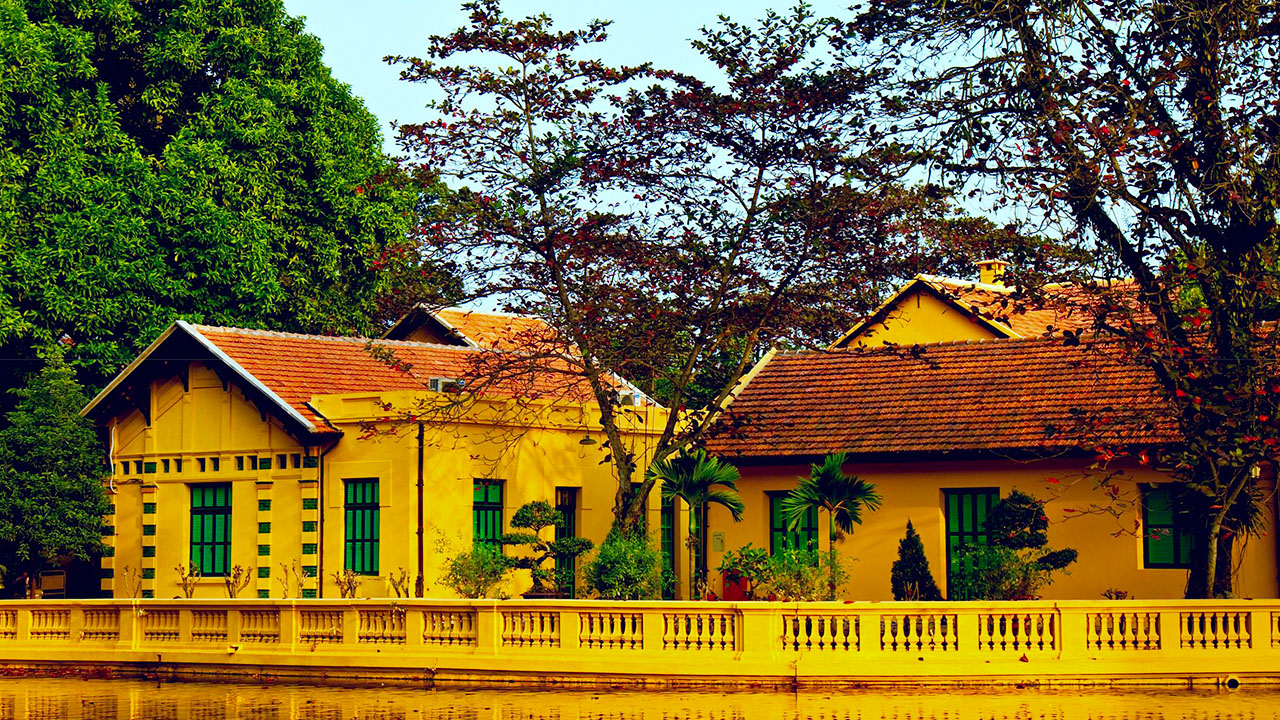
Walking into House No.54 with its warm yellow-painted walls felt like stepping into a preserved moment in time. This is the place that Uncle Hồ lived and worked from December 1954 until mid-May 1958, after returning to Hanoi. Compared to the nearby Presidential Palace, this small house feels incredibly modest, with just a simple one-story structure with three tiny rooms arranged in a straight line.
The room facing the pond was Uncle Hồ’s workspace, which also served as a place to receive guests; next to it is the dining room and his bedroom. On the left side of House No.54, you will see a small garage displaying the cars that once served Uncle Hồ in the early post-revolution, including a Pobeda, a Peugeot 404, a HN158, a HNC 232, and a bullet-proof Volga.
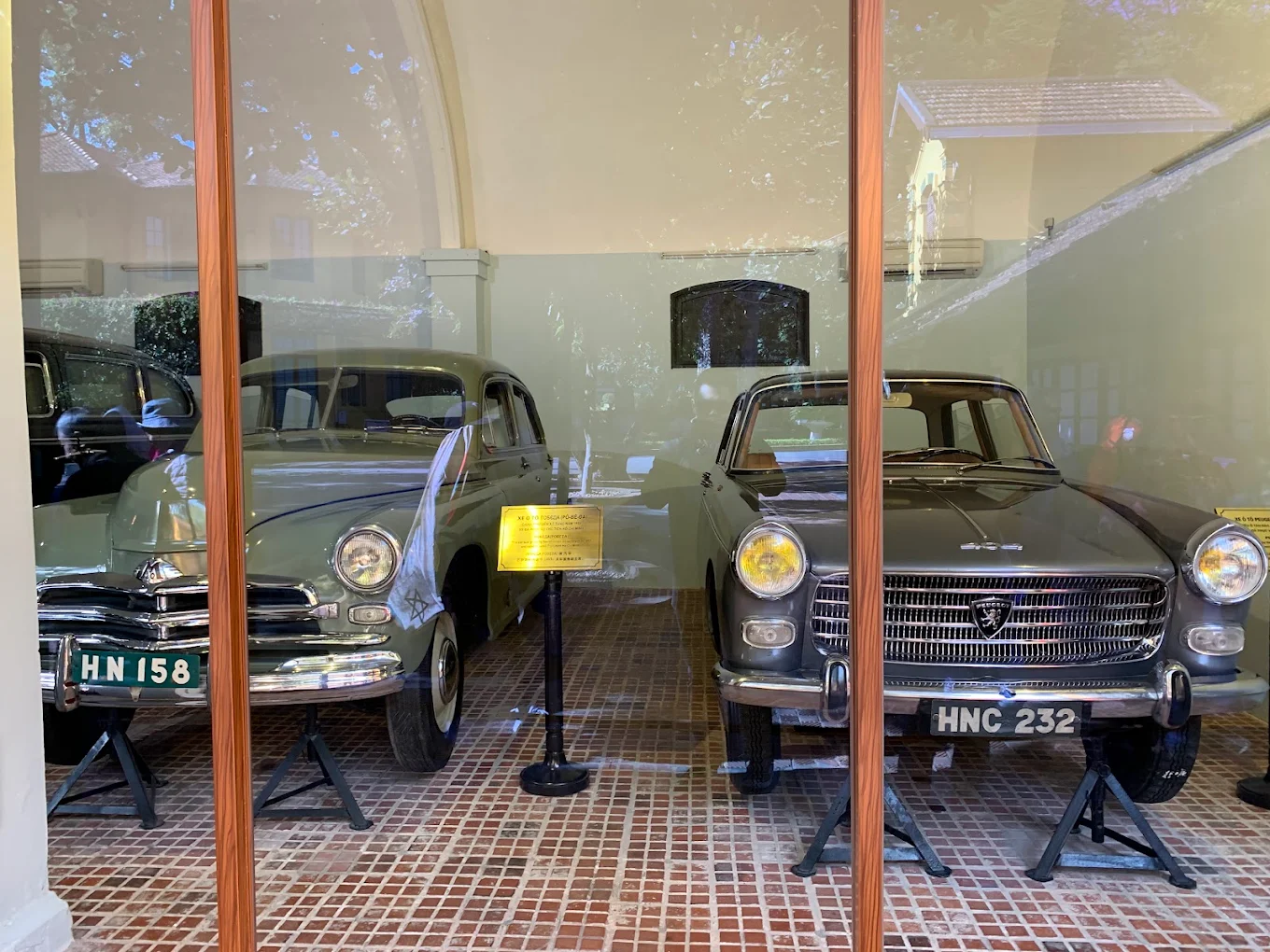
Standing at this place, I can almost picture President Hồ Chí Minh finishing his work by the pond or pouring tea for visiting officials in the quiet evening – all of this happening right inside this modest home that witnessed so many meaningful moments in Vietnam’s journey. Hence, visiting House No.54 is definitely one of the most insightful things to do in Ho Chi Minh Mausoleum for anyone wanting to see the human side of a national leader.
2. The Stilt House (Nhà sàn Bác Hồ)
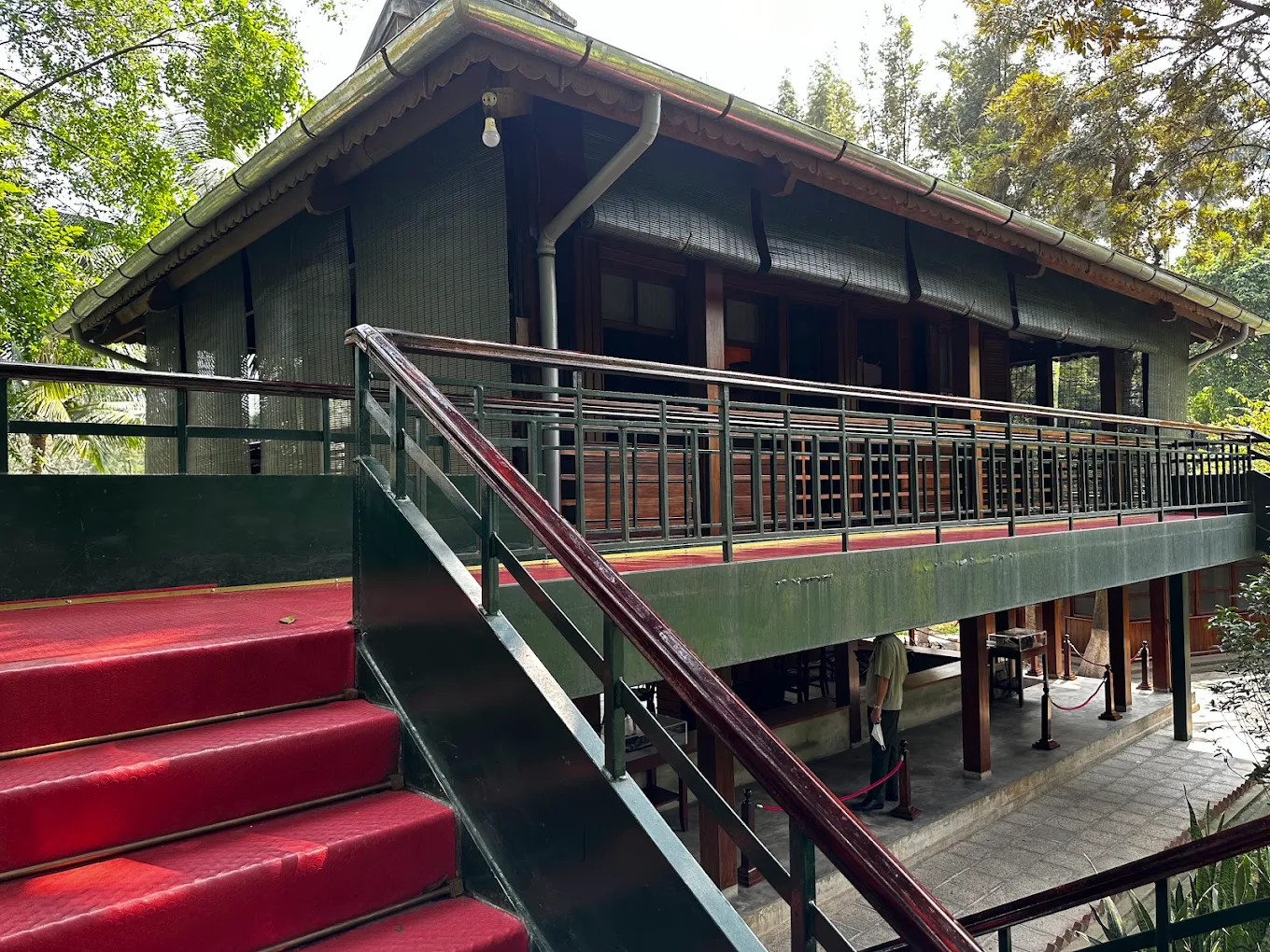
Just a short walk from House No.54 is the iconic Stilt House, completed on May 1, 1958. The Stilt House is where President Hồ Chí Minh moved after leaving House No.54, and it quickly became the place he spent some of his most meaningful and peaceful years.
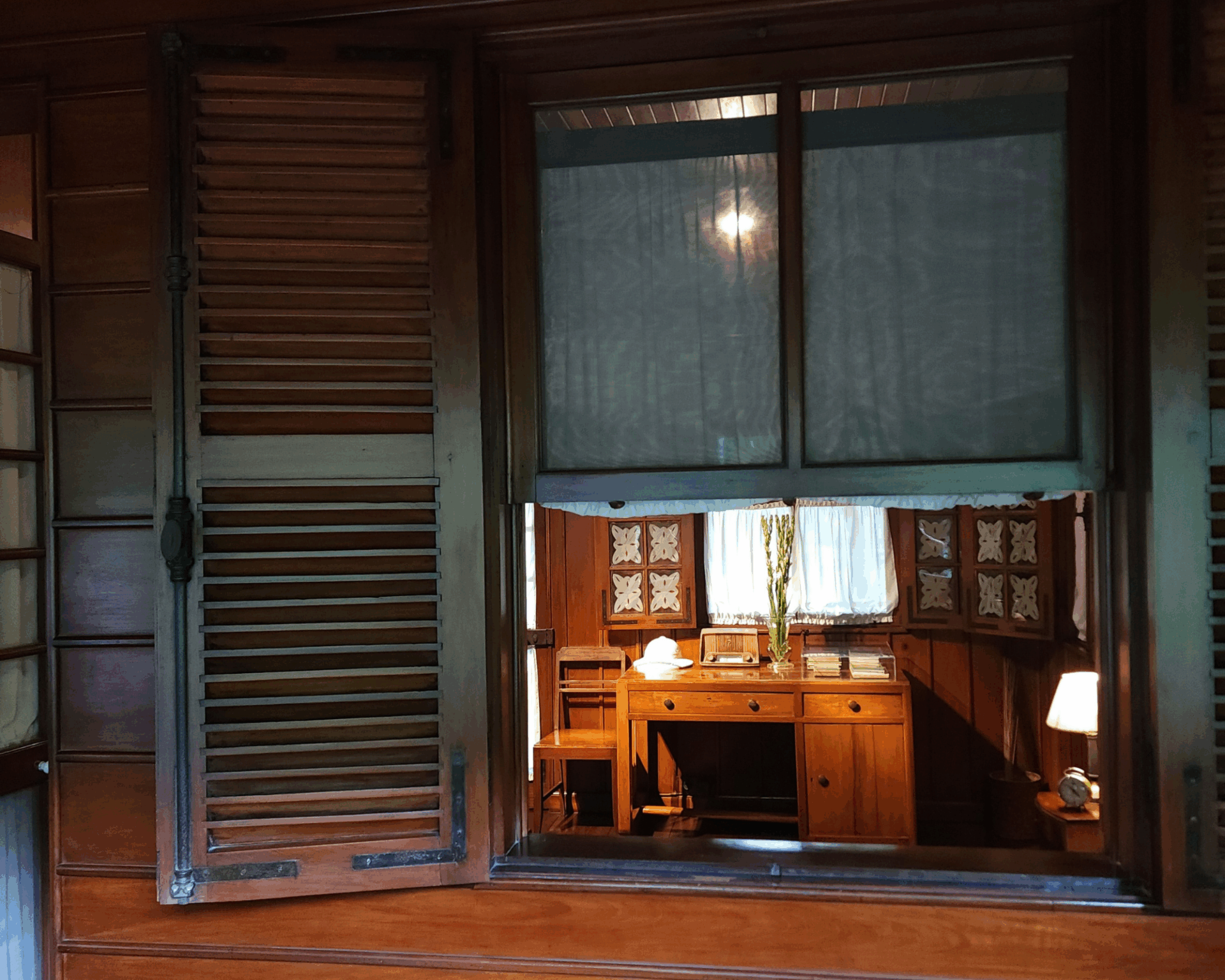
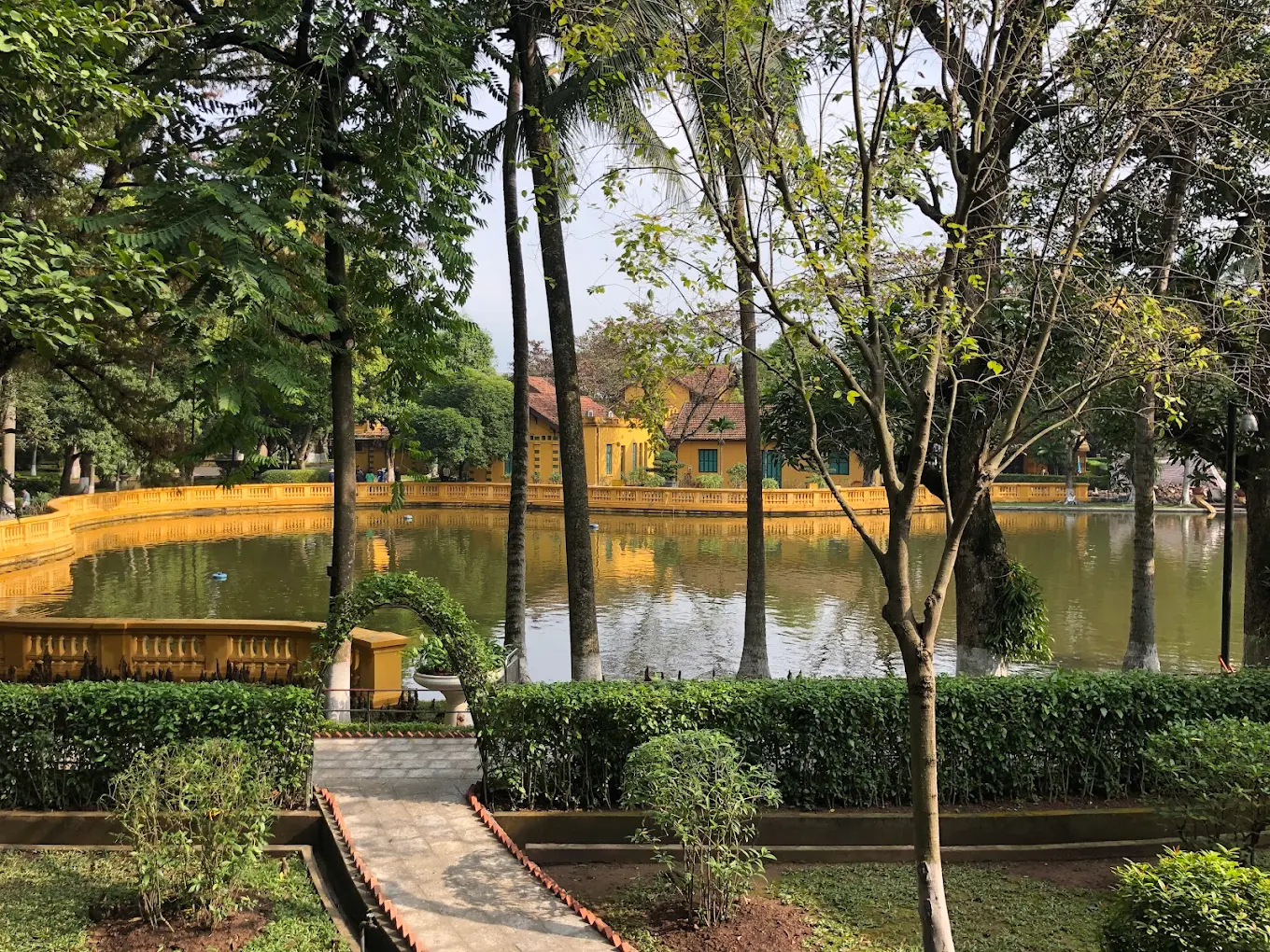
Designed in the style of a Northwest ethnic minority stilt house, it measures 10.5 meters long and 6.2 meters wide, with two small rooms upstairs (one bedroom and one winter workspace), each under 10 m². Plus, the house overlooks a peaceful fish pond, and the ambience is incredibly serene. But what captivated me most was the area beneath the stilt house.
This open space was where Uncle Hồ worked during the summer, welcomed close guests, and even held key Politburo meetings that shaped Vietnam’s revolutionary path, making it one of the most meaningful things to do in Ho Chi Minh Mausoleum if you want a deeper glimpse into his daily life and leadership.
Until this day, there are nearly 250 documents and personal items related to Uncle Hồ’s daily life and work that are well-preserved here, and the entire stilt house remains almost exactly as it was during the final years he lived in this place.
3. House No. 67 (Nhà số 67)
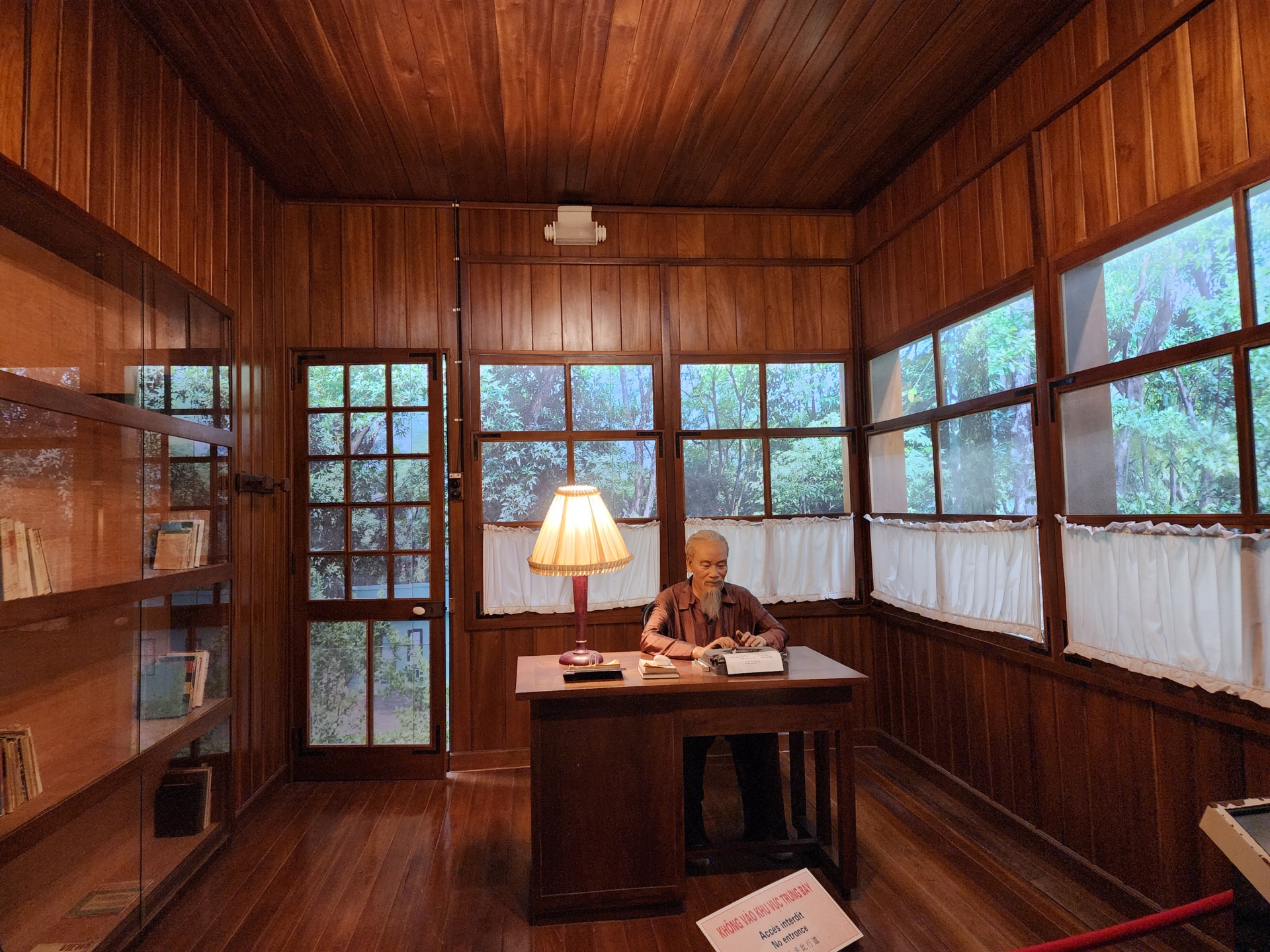
Further inside the grounds of the Ho Chi Minh Mausoleum Complex is House No. 67, located just about 30 meters behind the Stilt House. House No. 67 was built in 1967, during one of the most intense periods of the Vietnam–US war, and completed on July 20, 1967. The structure may look simple from the outside, but it was designed as a secure shelter for President Hồ Chí Minh, with walls more than 60 cm thick and a reinforced ceiling over 1 meter thick, all made of concrete and steel to withstand bombing. Inside the house, you’ll find his personal items still carefully preserved, such as books, radios, simple wooden tables, and handwritten notes.
In fact, House No.67 is where Uncle Hồ met with the Politburo to discuss crucial national decisions during the most difficult wartime escalations (1967 – 1969). It’s also the place where Uncle Hồ received medical care and spent his final days in 1969, which is why the house is sometimes called “DK2.” Standing in this fortified room is one of the most emotional things to do in Ho Chi Minh Mausoleum, allowing you to step into a quiet chapter of Vietnam’s history, where an ageing leader continued working tirelessly for peace until the very end.
4. Honour Vietnam’s History at the Ho Chi Minh Museum
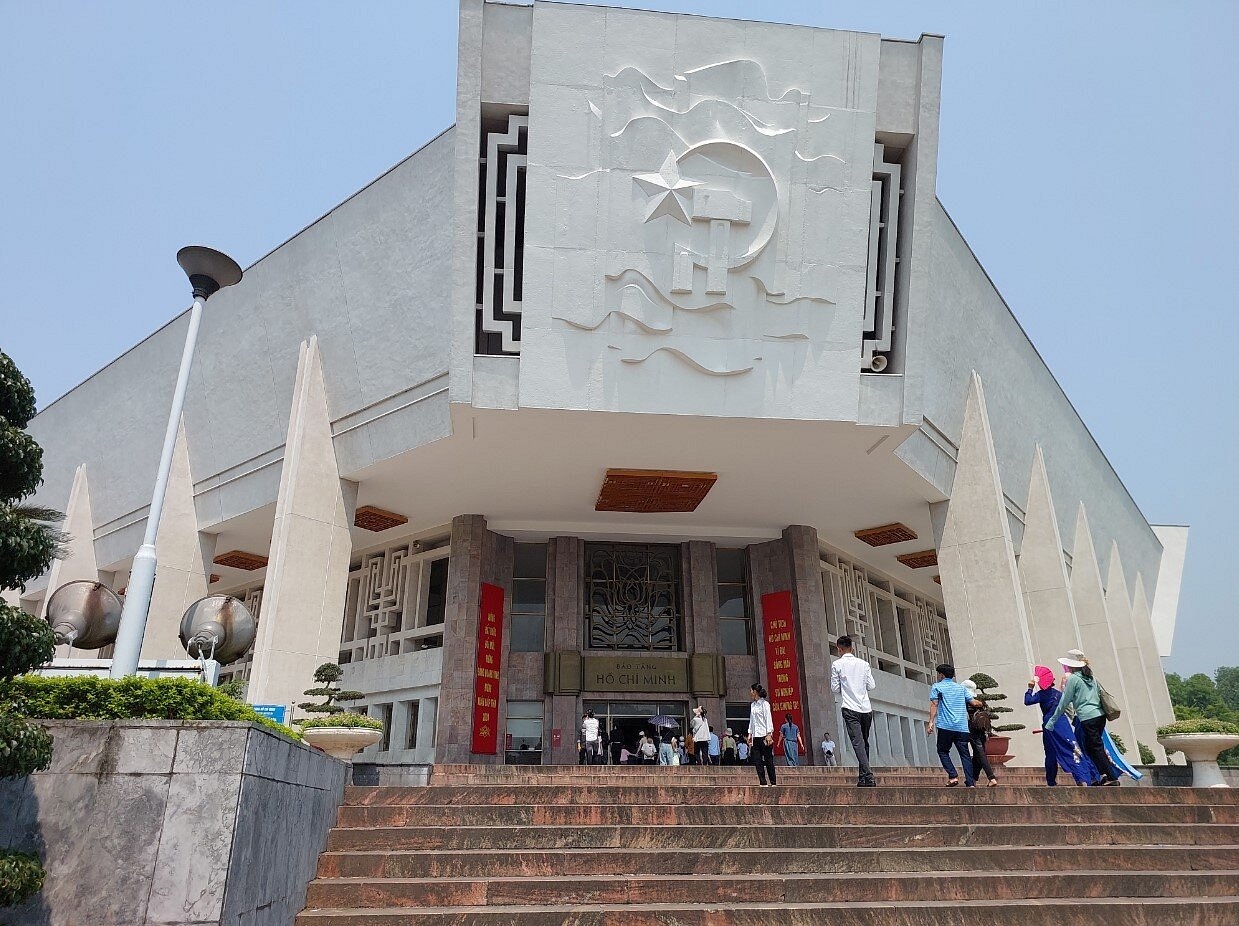
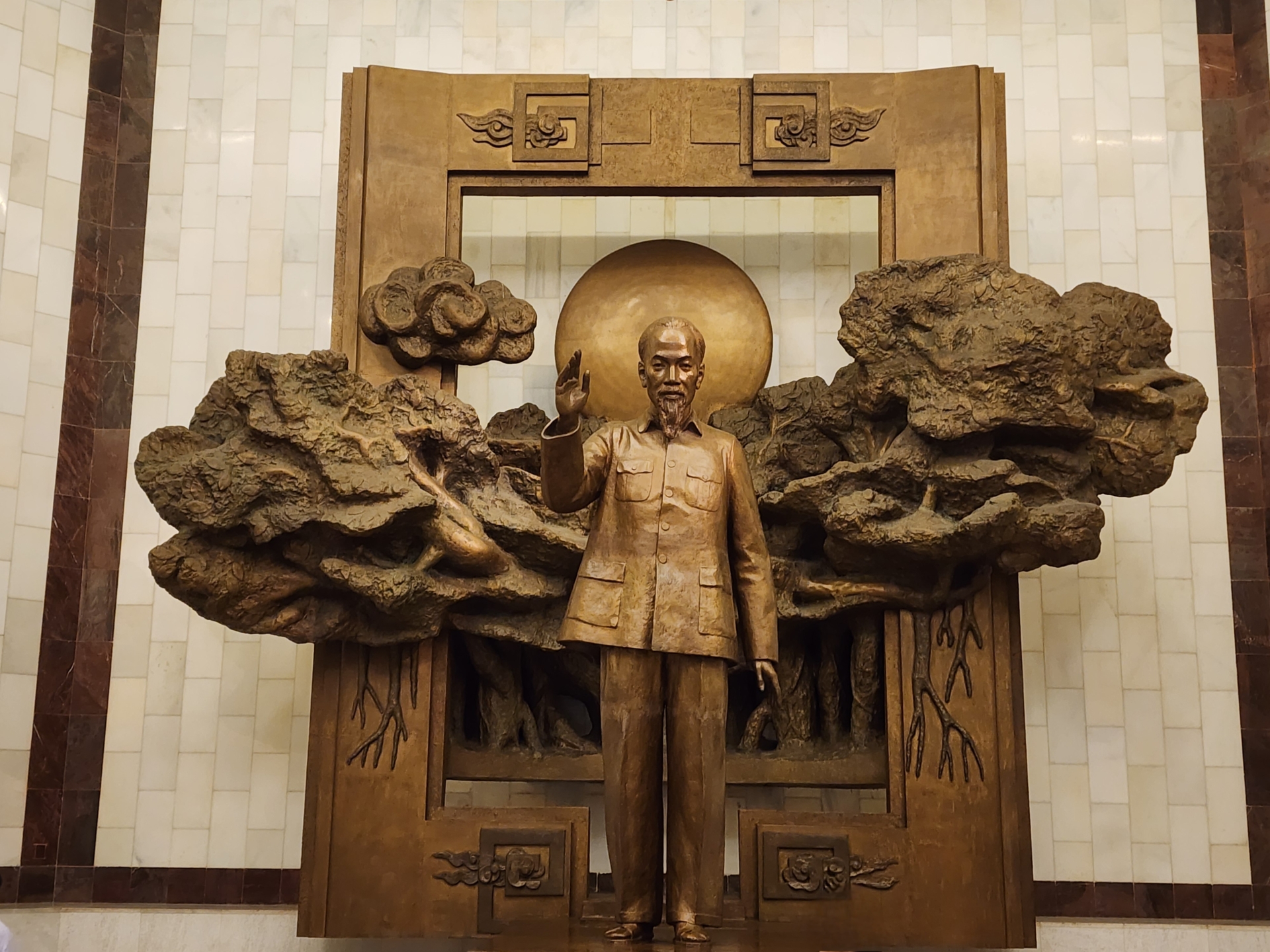
Right next to the Ho Chi Minh Mausoleum is the Ho Chi Minh Museum, and exploring it is one of the most educational things to do in Ho Chi Minh Mausoleum. This is one of the museums that leaves a profound impression on me, not just for its exhibits but also for the stories and symbolism it carries. At the heart of the museum stands a grand bronze statue of President Hồ Chí Minh, a powerful centrepiece that immediately draws your attention as you enter.
This museum is adjacent to the Presidential Palace, the One Pillar Pagoda, and the quiet green spaces of the Hanoi Botanical Garden. Hence, it fits beautifully into the flow of the visit. The museum’s architecture is striking, with a sharp, angular structure resembling a blooming white lotus rising from the historic grounds of Ba Đình. The surrounding gardens, shaded by tall trees and dotted with ponds, create a peaceful, refreshing atmosphere despite the weight of history inside, making a stop here one of the most enriching things to do in Ho Chi Minh Mausoleum.
Inside, the museum is divided into three floors, each with a different theme:
Ground Floor – The Life of President Hồ Chí Minh
The museum’s ground floor displays photos, letters, personal items, and historical documents from Uncle Hồ’s life. The display will take you from President Hồ Chí Minh’s childhood to his role as a leader who guided Vietnam to victory. Walking through this floor felt like flipping through a colourful, truly inspiring biography.
Second Floor – Hồ Chí Minh and the Vietnamese People
Next, the second floor focuses more on the powerful connection between Uncle Hồ and the Vietnamese people. Through dynamic exhibits, artworks, and recreated scenes, this floor demonstrates the strong unity between the leader and the citizens that helped Vietnam achieve many extraordinary victories. It’s one of the most vivid and storytelling-driven sections in the Ho Chi Minh Museum!
Third Floor – Global Historical Events
Finally, the top floor offers a broader view, giving you a glimpse of global historical events from the mid-19th century to the present. This floor puts Vietnam’s struggles into a global perspective, helping you really understand the world Uncle Hồ lived in and the international movements that shaped his mindset.
For anyone visiting the Ho Chi Minh Mausoleum, the museum is a perfect next stop to deepen your understanding of the man behind the national legacy, which is one of the most insightful things to do in Ho Chi Minh Mausoleum.
5. Stroll Around the Presidential Palace Grounds
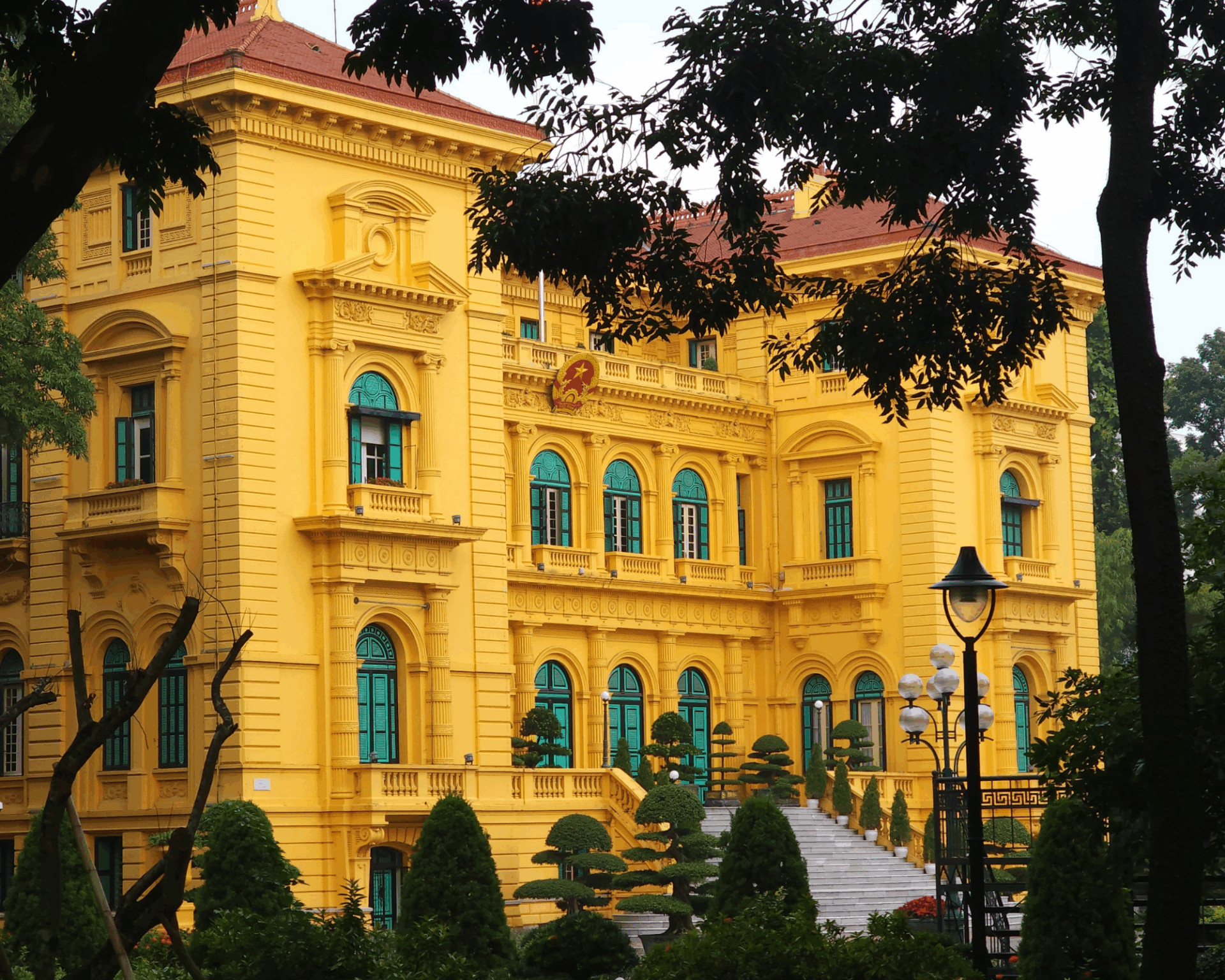
Even though the Presidential Palace isn’t open for visitors, walking its surrounding grounds is still one of the quiet, relaxing things to do in Ho Chi Minh Mausoleum. From the outside, the Presidential Palace stands out for its mustard-yellow facade, tall windows, and carefully maintained lawns. At the same time, its architecture is symmetrical, with a central block flanked by two wings.
As a matter of fact, the President Palace is where President Hồ Chí Minh lived and worked from December 19, 1954, to September 2, 1969. Because of its deep connection to his life, the entire area is recognised as a National Special Relic Site, almost like an open-air museum dedicated to his everyday world. Each floor of the palace served a different purpose:
- The first floor held serving rooms, offices, and administrative areas.
- The second floor included the banquet hall, guest reception rooms, and workspaces.
- The third floor contained the private living quarters of the Governor-General of French Indochina before 1954.
Moreover, the pathways here are pretty shady, lined with old trees and lotus-filled ponds, which makes it all the more striking that Uncle Hồ chose to live simply in the small Stilt House just nearby.
6. Walk Along the Mango Street (Đường Xoài Phủ Chủ Tịch)
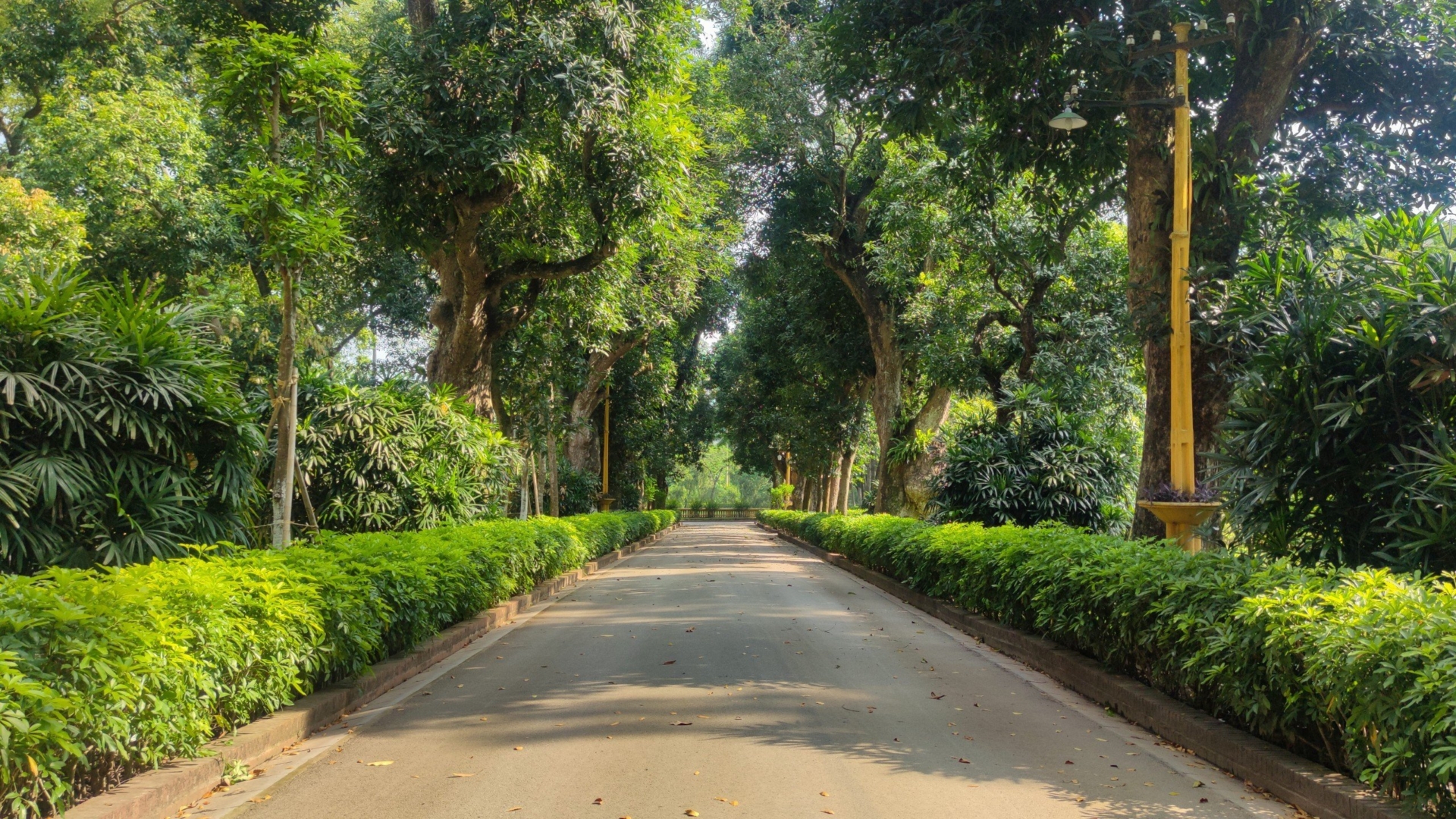
Just a short walk from the Ho Chi Minh Mausoleum, there’s a poetic path called Đường Xoài (the Mango Street). I first learned about it through a well-known verse by poet Tố Hữu:
“Anh dắt em vào cõi Bác xưa (Come, let me guide you into the realm of Uncle Hồ long ago)
Đường Xoài, hoa trắng nắng đưa đưa…” (Down Mango Avenue, where pale blossoms drift gently in the sun.”)
The road is about 5 meters wide and more than 200 meters long, shaded by rows of old mango trees on both sides; that’s probably why locals call it “Đường Xoài.” Every morning, Uncle Hồ used to walk here to exercise, and in the afternoons, he would stroll down this path after work. It was also the route he took daily between the Stilt House and the Presidential Palace. This is truly one of the most meaningful things to do in Ho Chi Minh Mausoleum if you want to trace Uncle Hồ’s everyday footsteps.
What touched me most was that Đường Xoài witnessed many meaningful moments during wartime. One of the most unforgettable memories is when Uncle Hồ met the delegation of heroic soldiers and emulation fighters from the Southern Liberation Forces when they visited Hanoi on November 15, 1965.
If you have time, take a slow walk here; it’s one of the most atmospheric spots around, a peaceful reminder of Uncle Hồ’s everyday life.
7. Attend the National Day Celebration at The Mausoleum
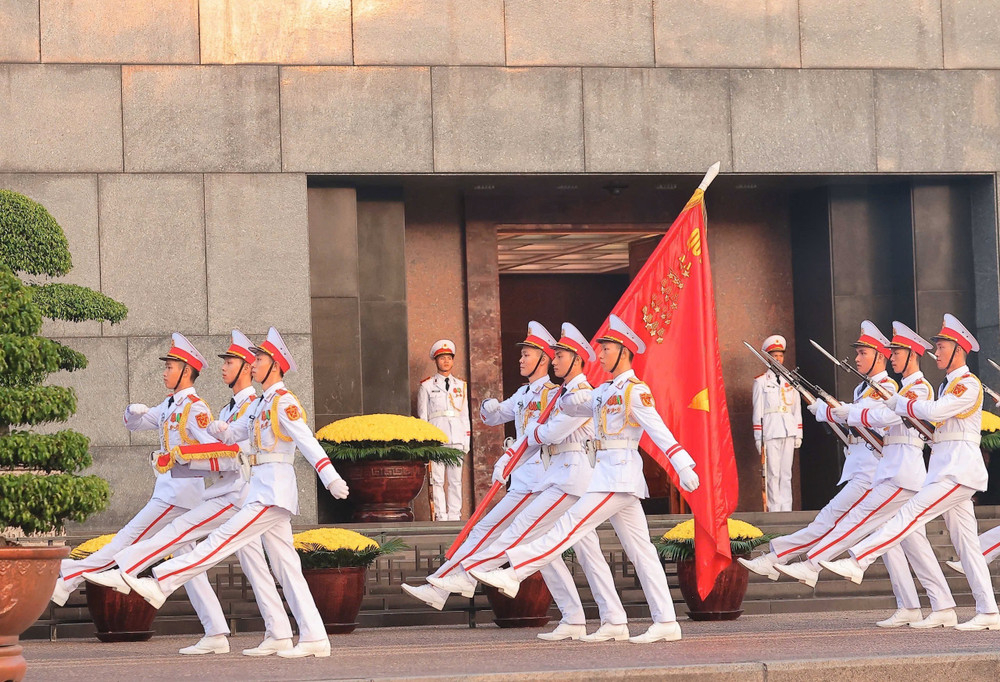
On Vietnam National Day (September 2), the Ho Chi Minh Mausoleum becomes one of the most symbolic places in the country. This is a moment where thousands of people from every province gather at Ba Đình Square to respectfully honour President Hồ Chí Minh and celebrate Vietnam’s independence.
Attending this event is one of the most memorable things to do in Ho Chi Minh Mausoleum, because it allows you to witness how deeply the Vietnamese people cherish their history. Throughout the day, the area comes alive with cultural performances, patriotic songs, poetry readings about Uncle Hồ, and military parades. You may also see veterans wearing their medals, families teaching their children about national pride, and students taking photos to capture this meaningful moment.
If you’re visiting Hanoi during early September, this is one of those unforgettable things to do in Ho Chi Minh Mausoleum that lets you truly feel the spirit of the Vietnamese people. It’s a powerful experience that stays with you long after you leave Ba Đình Square!
8. Frame the Moment Ba Đình Square Through Your Lens
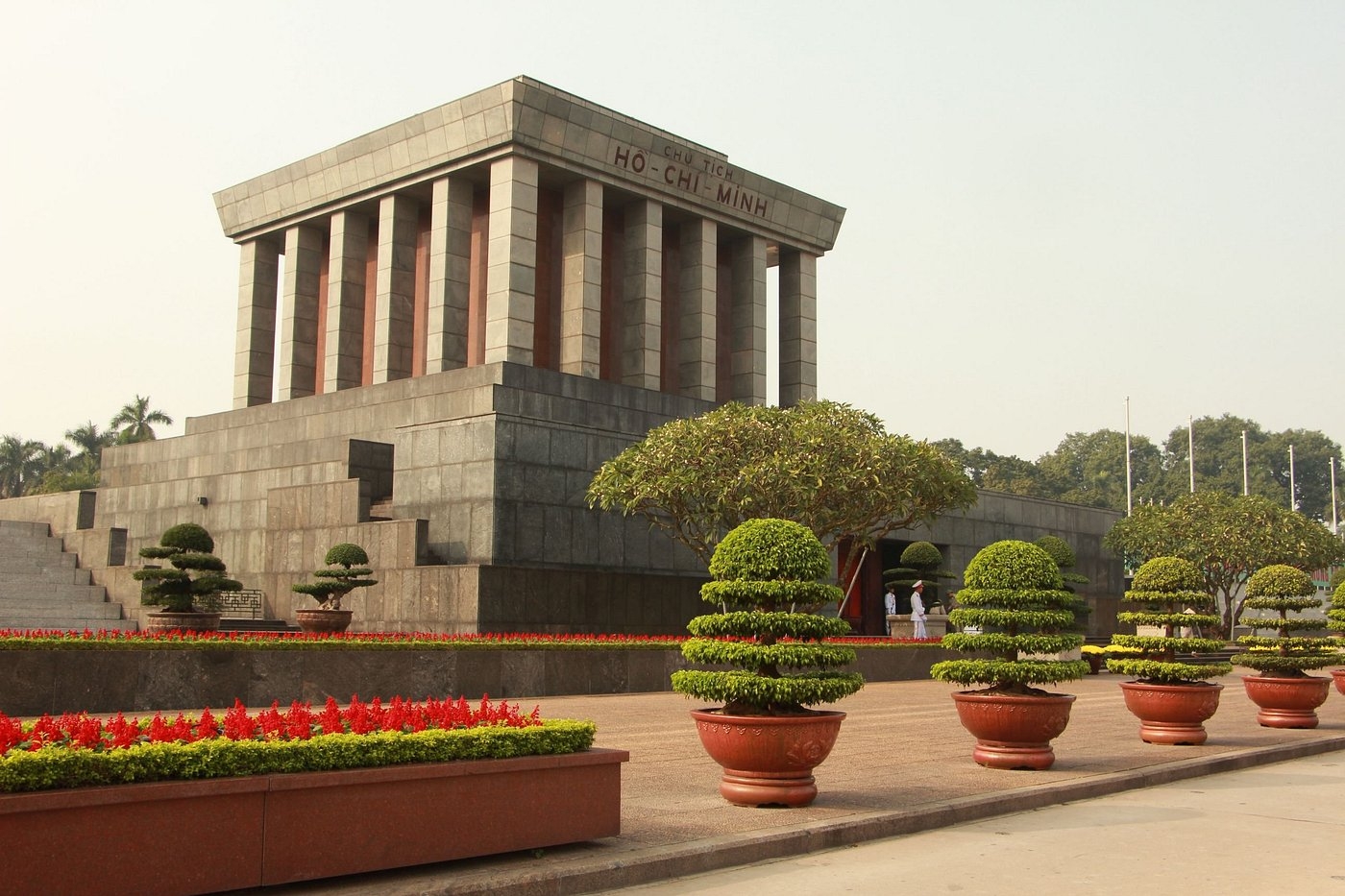
Ba Đình Square is one of Vietnam’s most historic places, where President Hồ Chí Minh declared independence in 1945 and where his state funeral was held in 1969. Standing here today, you can feel the history echo through the open space and towering flagpole.
Capturing Ba Đình Square has become one of the meaningful things to do in Ho Chi Minh Mausoleum, especially with its vast lawns, symbolic architecture, and the emotional Monday morning flag-raising ceremony that draws both locals and visitors. Taking photos here is a tribute to the events that shaped Vietnam, making Ba Đình Square an essential stop on a visit to the Ho Chi Minh Mausoleum area.
Places to Visit Near the Ho Chi Minh Mausoleum
1. Bắc Sơn Street
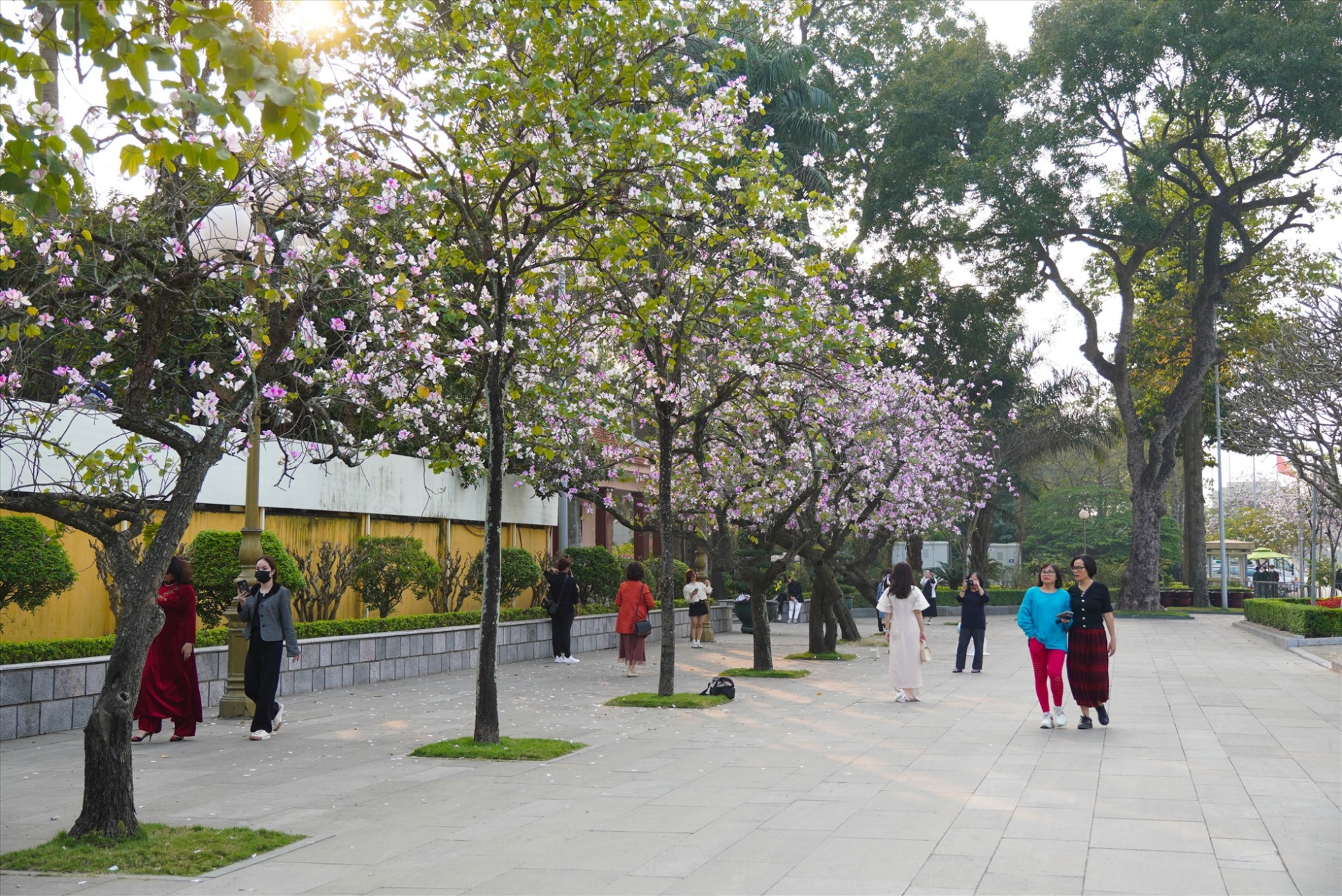
My favourite thing was strolling along Bắc Sơn Street by the Ho Chi Minh Mausoleum and finding a peaceful corner of Ba Đình District. What makes Bắc Sơn Street so charming are its tall rows of old trees stretching along both sides of the road. Plus, the surroundings are spacious, and the quietness offers a beautiful contrast to the busier streets nearby. In spring, the whole street comes alive with soft pink and white blossoms, creating a dreamy walkway that feels almost magical.
If you’re exploring the Ho Chi Minh Mausoleum area, don’t rush past this lovely boulevard. Bắc Sơn Street is the perfect place to walk, unwind, and enjoy a peaceful break in the middle of Hanoi.
2. One Pillar Pagoda
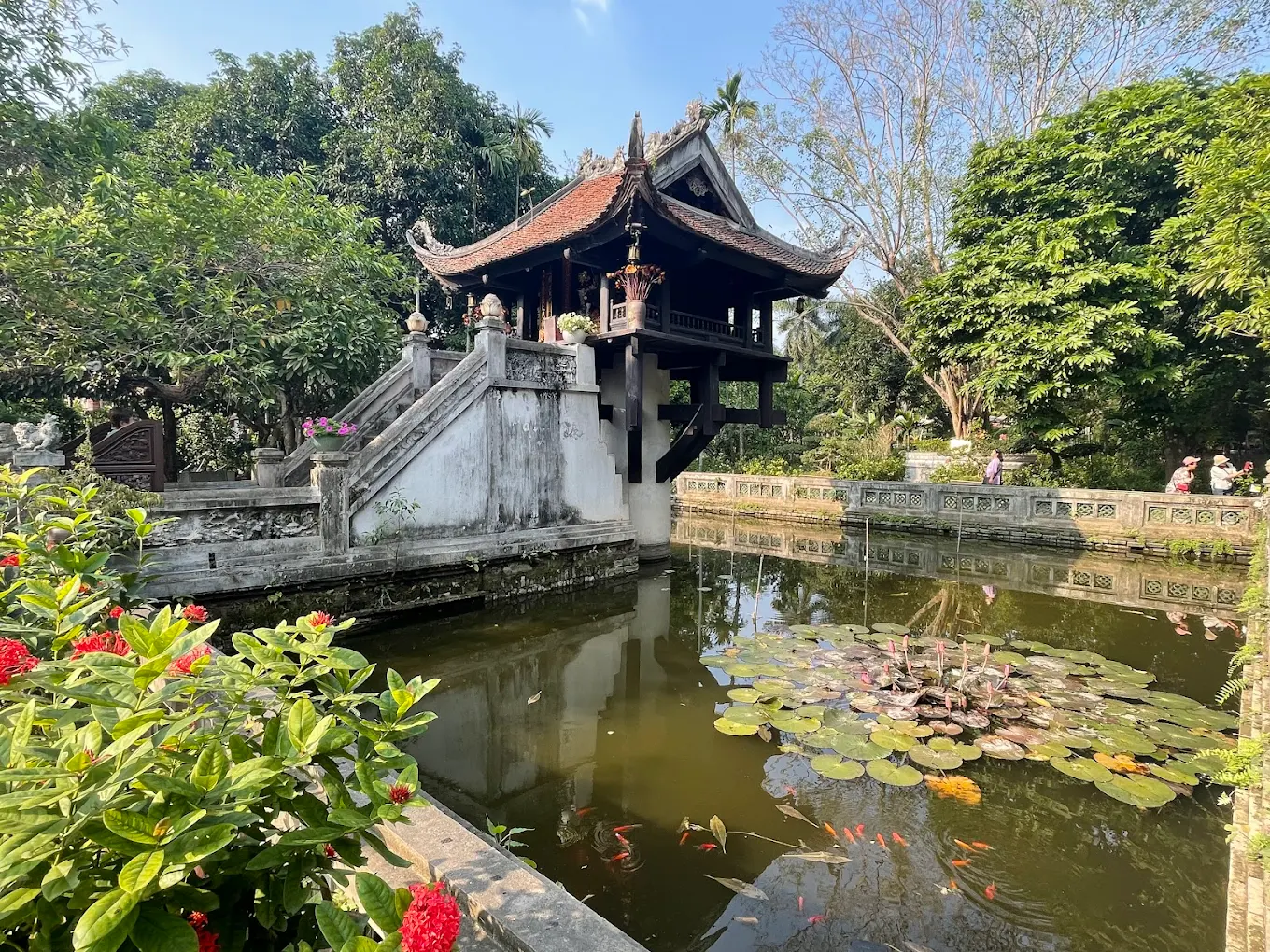
Right next to the Ho Chi Minh Mausoleum Complex, the One Pillar Pagoda is a stop I never skip. As soon as I walked toward it, the sight of this small yet beautifully symbolic pagoda felt incredibly peaceful.
Built in 1049, this pagoda is considered one of Vietnam’s most unique architectural wonders, representing purity, stability, and the nation’s spiritual roots. If you’re looking for things to do in Ho Chi Minh Mausoleum, visiting the One Pillar Pagoda is a quick but meaningful stop, especially after exploring the solemn atmosphere of the Mausoleum.
- Address: One Pillar Pagoda Street, Đội Cấn Ward, Ba Đình District
- Opening hours: 7:00 AM – 6:00 PM
3. Hỏa Lò Prison (Maison Centrale)
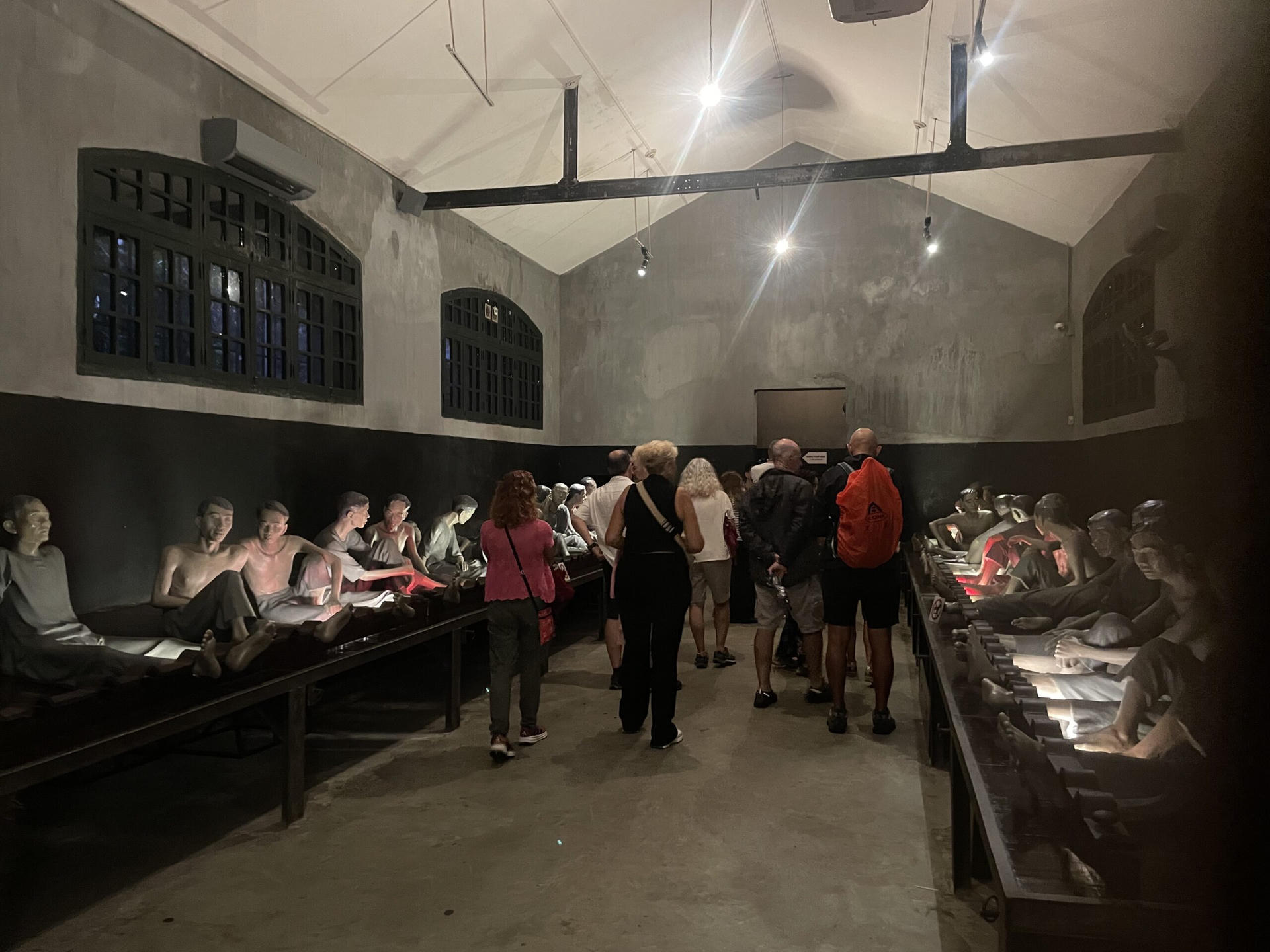
Visiting Hoa Lo Prison (Maison Centrale) is stepping into one of Hanoi’s most haunting yet powerful historical sites. Initially built by the French to detain Vietnamese revolutionaries, the prison later became known internationally as the “Hanoi Hilton” during the Vietnam War.
The exhibits here are intense but significant, showcasing stories of resilience, sacrifice, and the human cost of independence. It’s a sobering but meaningful stop if you’re exploring things to do in Ho Chi Minh Mausoleum and want to understand Vietnam’s struggle for freedom beyond the Mausoleum itself.
- Address: 1 Hỏa Lò, Trần Hưng Đạo Ward, Hoàn Kiếm District
- Opening hours: 8:00 AM – 5:00 PM
4. Hanoi Botanical Garden (Vườn Bách Thảo Hà Nội)
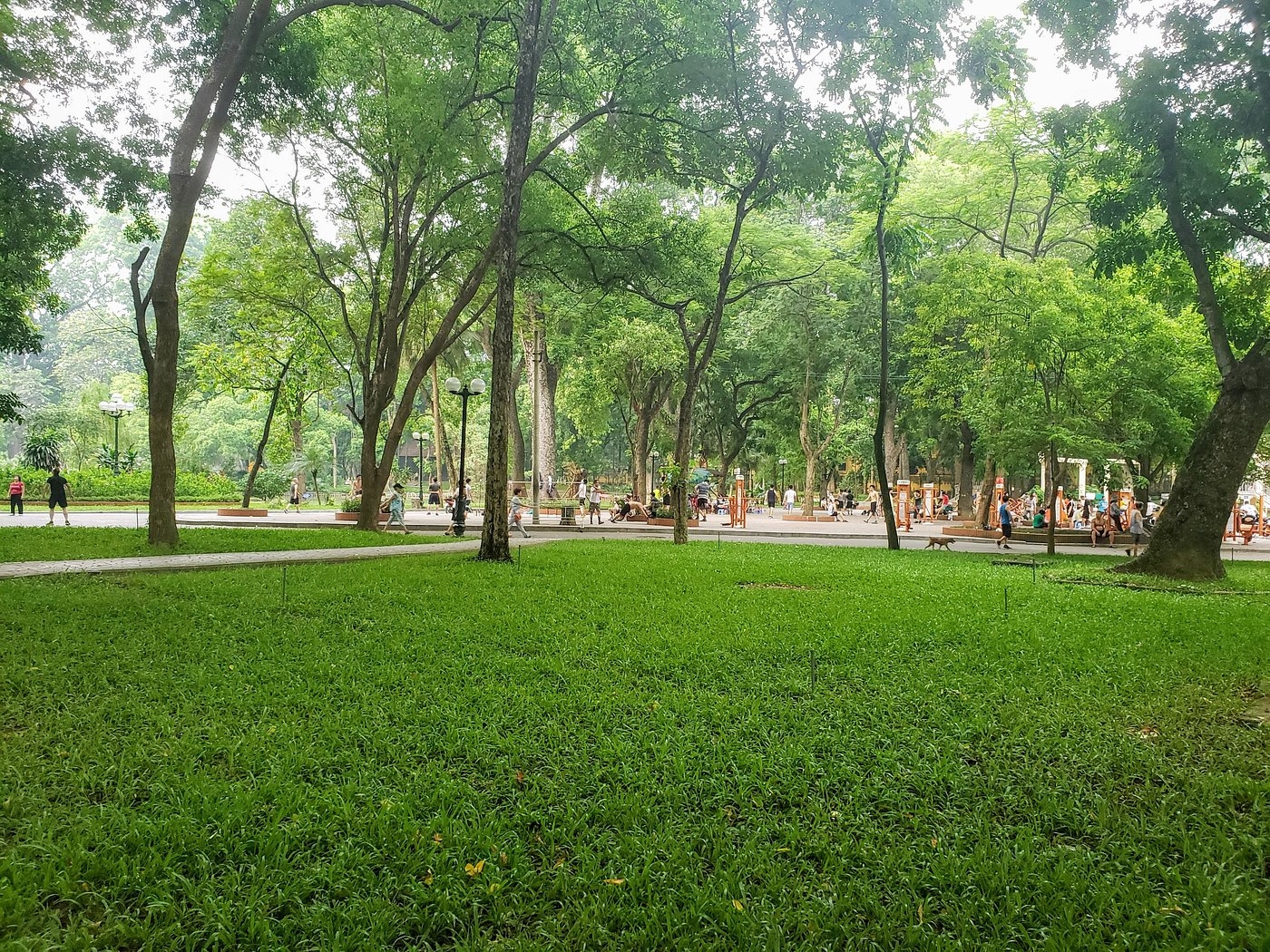
Close to the Ho Chi Minh Mausoleum, the Hanoi Botanical Garden is a peaceful escape filled with tall trees, quiet walking paths, and a large lake. It’s one of Hanoi’s green lungs, perfect if you want a break from the crowds or are exploring things to do in Ho Chi Minh Mausoleum.
Many locals come here for morning walks, bird-watching, or to relax in the shade. It’s a refreshing spot to unwind in the middle of Ba Đình District!
- Address: No. 3, Hoàng Hoa Thám Street, Ba Đình District / No. 2, Ngọc Hà Street, Ba Đình District.
- Opening hours: 8:00 AM – 5:00 PM
5. Imperial Citadel of Thăng Long
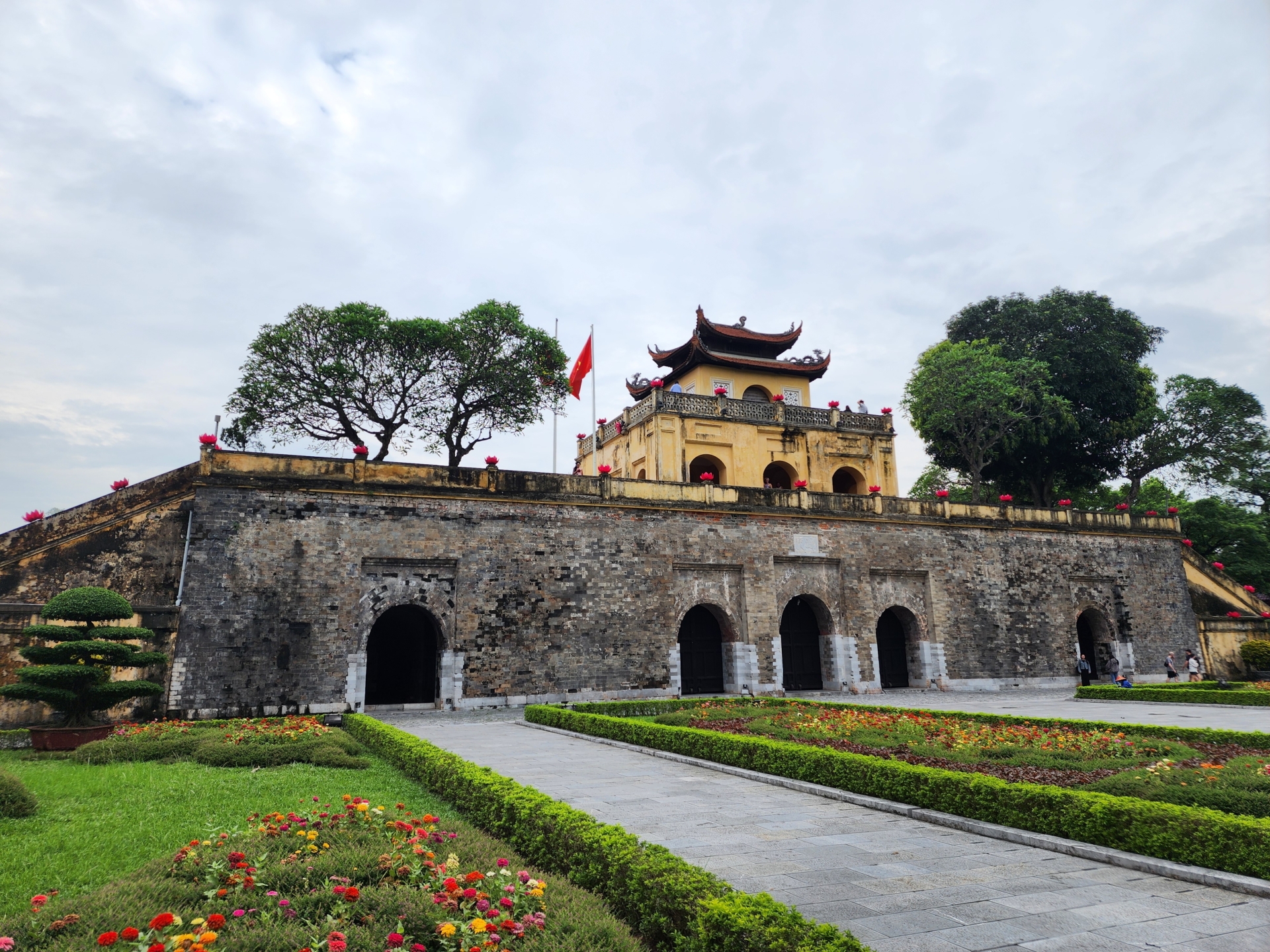
Recognised as a UNESCO World Heritage Site, the Imperial Citadel of Thang Long is a must-visit for anyone interested in Vietnam’s royal and military history. The complex stretches across an enormous area with ancient gates, archaeological excavations, royal halls, and wartime command bunkers.
After checking out things to do in Ho Chi Minh Mausoleum, you can end your trip here, where you can explore a thousand years of Vietnamese history, all in a peaceful, scenic setting that’s both educational and memorable!
- Address: 19C Hoàng Diệu, Điện Biên Ward, Ba Đình District
- Opening hours: 8:00 AM – 5:00 PM
6. Vietnam Military History Museum
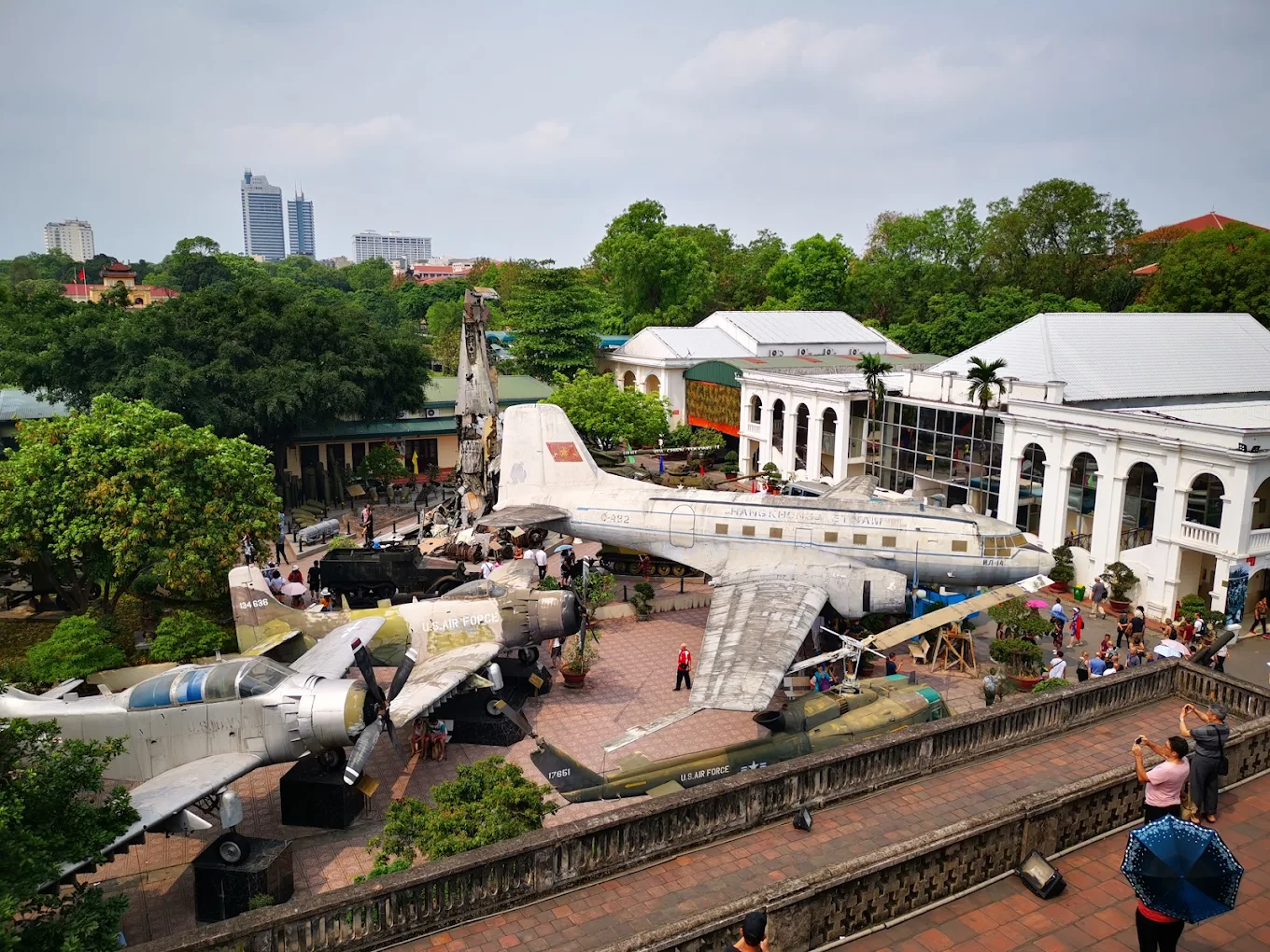
- Address: 28A Điện Biên Phủ, Ba Đình District
- Opening hours: 8:00 AM – 4:30 PM (Closed on Monday and Friday)
Suggested Half-Day Itinerary for Ba Đình District
After discovering all the essential things to do in Ho Chi Minh Mausoleum, this half-day itinerary will guide you through the rest of Ba Đình Districts more efficiently and enjoyably!
| TIME | ACTIVITY |
| 7:00 AM | Arrive at the Ho Chi Minh Mausoleum Complex |
| 7:30 AM | Enter the Ho Chi Minh Mausoleum |
| 8:00 AM | Walk to the Ho Chi Minh Museum |
| 9:00 AM | Explore the Presidential Palace Grounds & Stilt House (Mango Street, House No. 54, Stilt House, House No. 67) |
| 9:45 AM | Visit One Pillar Pagoda |
| 10:15 AM | Walk to Bắc Sơn Street (War Memorial & Photo Spot) |
| 10:45 AM | Brunch at a nearby café (suggestions: Highlands Coffee Trúc Bạch Lake Cruise, Cộng Cà Phê Điện Biên Phủ, Lê’s Path Coffee Cửa Bắc, La Place Restaurant) |
| 11:30 AM | Continue exploring nearby attractions (choose one): • Temple of Literature (closest & easiest!) • Imperial Citadel of Thăng Long • Vietnam Military History Museum |
Why My Visit to the Ho Chi Minh Mausoleum Felt More Meaningful With Jackfruit!

After spending a whole morning walking through the Ho Chi Minh Mausoleum, I realised how meaningful these places feel when you genuinely understand the city around them. The mausoleum, Ba Đình Square, the stilt house, and the museum – they’re all pieces of a bigger story about Hanoi’s unique identity, discover new things to do in Ho Chi Minh Mausoleum that many visitors overlook or exploring them on foot made me curious more about the neighbourhoods and daily life just beyond the popular attractions.
That’s why I ended up looking for a “local” way to experience Hanoi. For me, cycling turned out to be the perfect choice. When joining Jackfruit Adventure’s Tour De Hanoi, I realised that riding through little alleyways and scenic lakeside paths helped me appreciate Hanoi’s attractions, such as Đồng Xuân Market, St. Joseph’s Cathedral, and the Presidential Palace, as part of Hanoi’s living story rather than just standalone tourist stops.
If you’re planning your list of best things to do in Ho Chi Minh Mausoleum and want to know the city better, this kind of gentle cycling route might be something worth considering. It’s a simple, relaxed way to link the famous landmarks and helped me see the city in a way I probably wouldn’t have on my own!