

Table of Contents
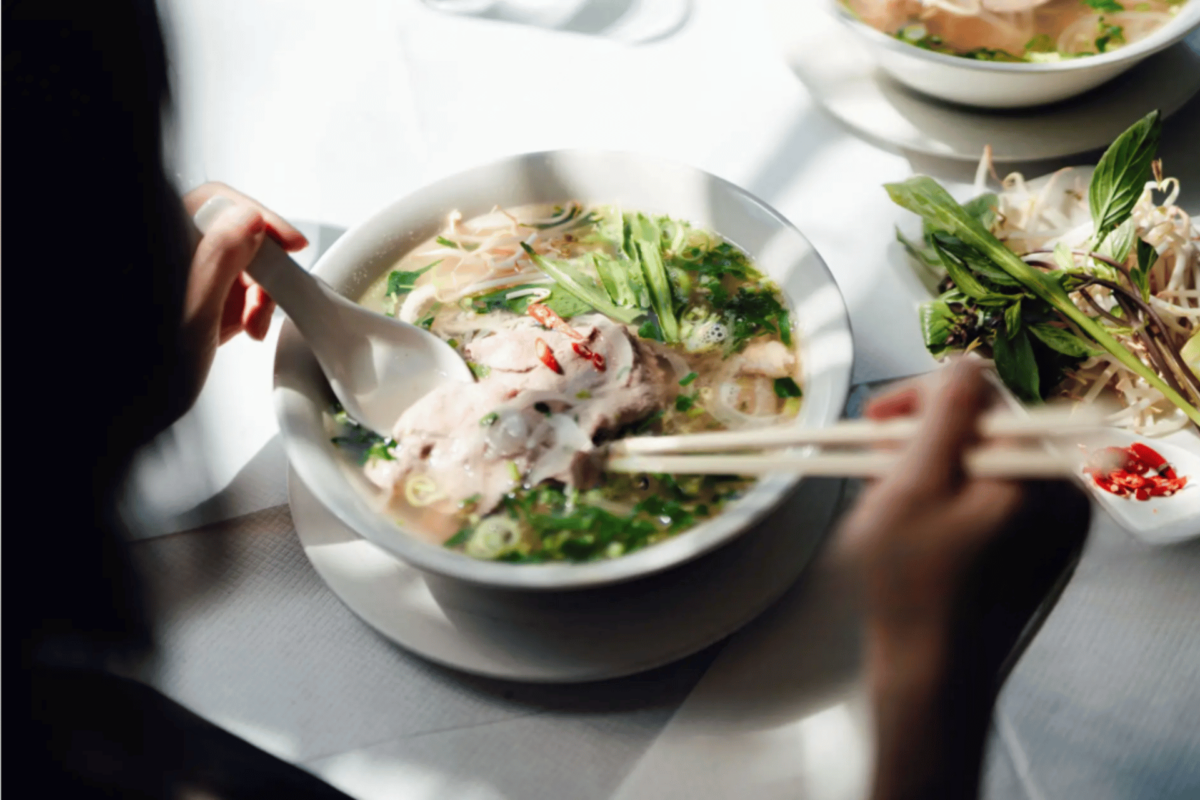
I still remember the first time I sat on a low plastic stool in a humid District 1 alleyway, staring down at a bowl of pho that looked – to my Northern eyes – like a tropical garden had exploded into beef broth. There were bean sprouts everywhere. Hoisin sauce. Herbs I couldn’t even name. As someone who grew up with the clean, simple pho of the North, I felt like I was doing something wrong just by picking up my chopsticks.
That was my first real taste of the Hanoi vs Saigon pho debate, and honestly, it changed how I saw my own culture. This isn’t just about soup. It’s about identity, history, and what happens when a dish travels a thousand miles south and completely reinvents itself.
If you’re planning a trip to Vietnam, you’ll quickly learn that asking which pho is better is like asking a parent to choose their favorite child – if one child was a quiet artist and the other was a loud performer. Let’s dig into what makes these two versions of Vietnam’s national dish so different.
What Makes Hanoi vs Saigon Pho So Different?
The Hanoi vs Saigon Pho debate starts with one simple fact: these are not just regional variations – they’re completely different philosophies about what pho should be. To truly understand this divide, we need to look back at how the dish evolved and traveled across Vietnam.
The Roots of the Rivalry: A Tale of Two Regions
Pho originated in the North, specifically in Nam Dinh and Hanoi, during the late 19th and early 20th centuries. Back then, it was simple, refined street food sold by vendors with carrying poles (đòn gánh). Everything changed in 1954 when the country was partitioned and over a million Northerners migrated South, bringing their beloved soup with them.
But the South is a land of abundance – the “rice bowl” of the Mekong Delta. Southerners, with their love for sweetness and variety, began to “Southernize” the dish. They added more sugar, more meat types, and eventually a forest of fresh herbs. This evolution is exactly why the Hanoi vs Saigon Pho distinction exists today.
The Broth: Clear vs. Sweet – The Heart of the Matter
In the world of Hanoi vs Saigon Pho, the broth is where the battle is truly won or lost.
The Northern Clarity
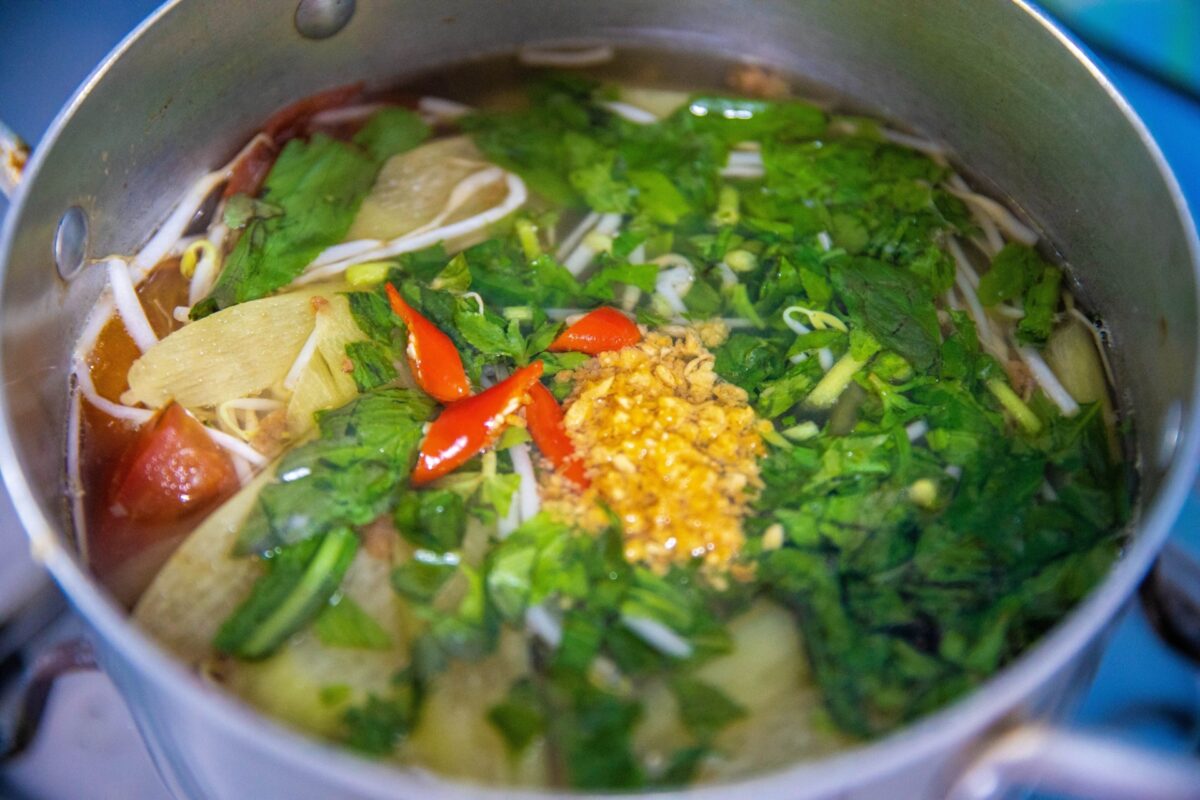
In Hanoi, pho broth is all about purity. We call it nước trong (clear broth). It’s achieved by simmering beef bones for at least 10 to 12 hours – sometimes overnight – constantly skimming the surface to remove impurities. The seasoning is minimalist: charred ginger, roasted shallots, and just a hint of star anise and cinnamon.
We don’t use sugar. The sweetness comes purely from the marrow and the quality of the bones. The goal is clarity, both in color and flavor – you should be able to see straight through to the bottom of the bowl. When you taste it, the saltiness is clean, often heightened by a splash of high-quality fish sauce. The taste is delicate, beefy, and subtly sweet from the bones alone.
The Southern Sweetness
Cross the invisible border into the South, and everything changes. Saigon pho broth is darker, richer, and noticeably sweeter – sometimes surprisingly so for first-timers. Southern cooks add rock sugar directly to the broth, and they’re not shy about it. Sometimes they’ll even add dried squid or charred onions in larger quantities.
The spice blend is also heavier – more star anise, more cinnamon, more everything. In the Hanoi vs Saigon Pho tug-of-war, Southerners prefer a “maximalist” profile. They want the broth to hit every taste bud at once: sweet, salty, and fatty. When you taste Saigon pho, it hits you immediately – it’s bold, aromatic, and unapologetically in your face. If the Hanoi broth is a clear consommé, the Saigon version is a rich, complex stew.
I remember the first time my Saigon roommate tasted Hanoi pho. She said it was “too bland.” I nearly threw my spoon at her.
The Meat: Quality Over Quantity
Here’s where the Hanoi vs Saigon Pho difference gets really interesting. If you think the meat selection is the same everywhere, your palate is in for a wake-up call.
In a classic Hanoi stall, you typically choose between Chín (well-done brisket), Tái (rare beef cooked by the boiling broth), or Gầu (fatty brisket). The cuts are clean and simple – it’s all about the beef. You might get a few pieces of tendon if you ask for it, but generally, Hanoi pho focuses on high quality, minimal fuss.
Saigon takes the “more is more” approach. The Hanoi vs Saigon Pho experience in the South offers a literal menu of options. A typical bowl might include rare beef, well-done flank, fatty brisket, tendon, tripe, and even beef balls (bò viên). It’s a whole anatomy lesson – a protein party in one bowl. The variety is impressive, but as a Hanoian, I sometimes feel like it distracts from the carefully crafted broth.
The Noodles: Texture and Thickness Matter
If you think all rice noodles (bánh phở) are created equal, think again. Both cities use fresh rice noodles, but even here there’s a subtle difference in the Hanoi vs Saigon Pho experience.
- Hanoi: The noodles are typically wider and softer. They’re meant to melt in your mouth, acting as a delicate vessel for the broth without competing for attention. You eat them quickly before they get too soft – that’s why Hanoians finish their pho fast.
- Saigon: Southerners prefer bánh phở nhỏ – thinner, narrower noodles with more “chew” or “al dente” texture. They hold up better under all those toppings and the heavier broth. I’ve noticed they also stay firm longer, which makes sense given how Saigon people like to linger over their meals.
The Herb Plate: Minimalist vs. Maximalist
If there’s one visual cue that screams “Hanoi vs Saigon Pho,” it’s the herb plate. This is usually where the shock happens.
Hanoi: Less is More
In Hanoi, your pho comes with the bowl. That’s it. You might get a small side plate with a few slices of lime, maybe some chili slices, and perhaps some chopped green onions or cilantro floating on top. Some places give you a tiny dish of chili sauce or fermented garlic, but it’s optional. The idea is that the broth is already perfect – you shouldn’t need to mess with it.
I’ve seen tourists look confused when their Hanoi pho arrives without the mountain of greens they expected. That’s because they’ve seen photos of Saigon pho and assumed all pho comes that way.
In Hanoi, adding bean sprouts to pho is often seen as a culinary crime. We believe the sprouts water down the carefully crafted broth and ruin the temperature.
Saigon: A Garden on Your Table
But in the Hanoi vs Saigon Pho showdown, the Southern version comes with a side plate that looks like a small bush – practically a garden on your table. You’ll get:
- Thai basil (Húng quế)
- Sawtooth herb (Ngò gai)
- Rice paddy herb (Ngò ôm)
- Fresh bean sprouts (often blanched or raw)
- Lime wedges
- Chili slices
- Various types of mint
The first time I ate Saigon pho, I didn’t know what to do with all of it. My Saigon friends laughed and showed me the ritual: tear the basil, throw in the bean sprouts, squeeze the lime, add a little hoisin. In Saigon, the crunch of the sprouts is essential to the experience.
When analyzing Hanoi vs Saigon Pho, the garnishes tell you exactly where you are standing.
Condiments: The Final Touch
How you season your bowl at the table is the final act of this delicious play.
In the North, we use fresh bird’s eye chilies and, most importantly, garlic vinegar. A few drops of that acidic, garlicky liquid cut through the fat of the beef perfectly. It’s simple and precise.
In the South, the table is crowded with bottles. There’s hoisin sauce (black bean sauce) and sriracha (chili sauce) on every table. Southerners will often squirt these directly into the broth or create a little dipping saucer for the meat.
For a Northerner, putting hoisin sauce into a delicate broth is enough to cause a faint. But in the context of Hanoi vs Saigon Pho, it’s just the Southern way of life.
For a Hanoian, the Southern approach can feel like overkill. But I’ve come to appreciate it. The Hanoi vs Saigon Pho debate isn’t about right or wrong – it’s about preference, philosophy, and the beautiful diversity of Vietnamese cuisine.
Cultural Roots: Why the Difference Exists
Understanding the Hanoi vs Saigon pho divide means understanding Vietnamese history.
Hanoi: The Birthplace
Pho was born in Northern Vietnam in the early 20th century, likely in Nam Định province or Hanoi itself. It emerged during French colonial rule, influenced by French beef culture (Vietnamese didn’t traditionally eat much beef). Is Pho Vietnamese? Exploring Why Pho is Eaten in Vietnam dives deeper into this fascinating origin story.
The Northern style stayed true to its roots: simple, refined, focused on technique. Hanoi pho reflects the character of the North – reserved, traditional, proud. We don’t like to mess with what works.
Saigon: The Reinvention
When pho migrated south after the country’s partition in 1954, it landed in a completely different food culture. The South had access to more ingredients, a sweeter palate, and a more relaxed attitude toward culinary rules.
Saigon cooks adapted pho to local tastes. They sweetened the broth, added more herbs (which grew abundantly in the South), and turned it into something more festive. The Hanoi vs Saigon pho split reflects the broader cultural divide between North and South Vietnam – formality vs. casualness, tradition vs. innovation.
Which Pho Should You Try First?
If you’re visiting Vietnam and want to experience both sides of the Hanoi vs Saigon pho debate, here’s my honest advice.
Start with Hanoi Pho
I’m biased, but I think you should try Hanoi pho first. It’s the original, and it teaches you what pho is supposed to taste like at its core. Once you understand the pure, clean flavors of Northern pho, you’ll appreciate how Saigon transformed it.
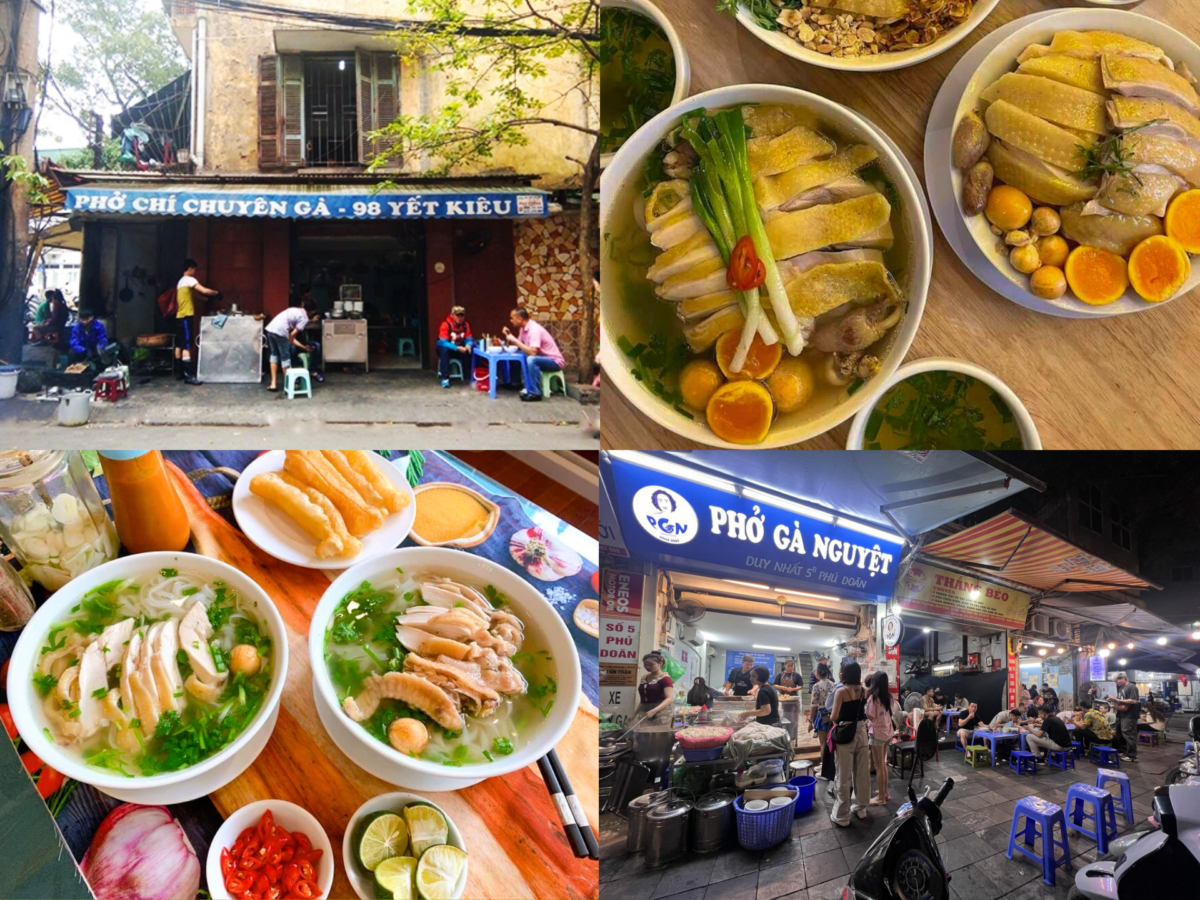
In Hanoi, go to The Best Pho In Hanoi – A Full Guide To Pho Hanoi for recommendations on where locals actually eat. Skip the tourist traps in the Old Quarter that charge double and serve mediocre broth. Real Hanoi pho costs about 40,000-50,000 VND and comes from places with no English menus.
Then Try Saigon Pho
Once you’ve had authentic Hanoi pho, head south and try Saigon’s version. You’ll immediately taste the difference – the sweetness, the complexity, the abundance of toppings. It’s a completely different experience, and now you’ll understand why the Hanoi vs Saigon pho debate exists.
Some people prefer one over the other. Some (like me, after years of living in Hanoi and experiencing Saigon enough) have learned to love both for different reasons.
Better yet, join a Vietnam Cycling Tour that includes food stops in both cities. You’ll get local guidance on where to eat, context about what you’re tasting, and the chance to experience how pho fits into daily Vietnamese life.
Common Misconceptions About Hanoi vs Saigon Pho
Let me clear up some myths I hear constantly:
- “Hanoi pho is the authentic version, Saigon pho is wrong.” No. They’re both authentic to their regions. Saigon pho evolved for over 60 years – that’s real history, not a mistake.
- “Saigon pho is too sweet to be real pho.” It’s sweeter than Hanoi pho, yes. But that’s a deliberate choice based on Southern Vietnamese taste preferences, which favor sweeter profiles across many dishes.
- “You can’t find good Hanoi-style pho in Saigon (or vice versa).” Actually, you can. Both cities now have restaurants serving the other region’s style. They’re usually run by migrants who miss home cooking.
Why This Debate Matters
The Hanoi vs Saigon pho conversation might seem trivial to outsiders. It’s just soup, right?
But for Vietnamese people, especially those of us who’ve lived in both regions, it’s about so much more. It’s about where we come from, what we value, and how we express love through food.
Every time I eat pho – whether it’s the delicate Hanoi style or the exuberant Saigon version – I’m participating in a tradition that connects me to millions of other Vietnamese people across the country and around the world.
The beauty of the Hanoi vs Saigon pho debate is that there’s no wrong answer. You can love one, love both, or find your own preference somewhere in between. What matters is understanding that each bowl tells a story, and both stories are worth listening to.
Experience Authentic Vietnamese Pho Culture
Ready to settle the Hanoi vs Saigon pho debate for yourself? There’s only one way to do it properly: taste both in their home cities, guided by locals who can show you where we actually eat.
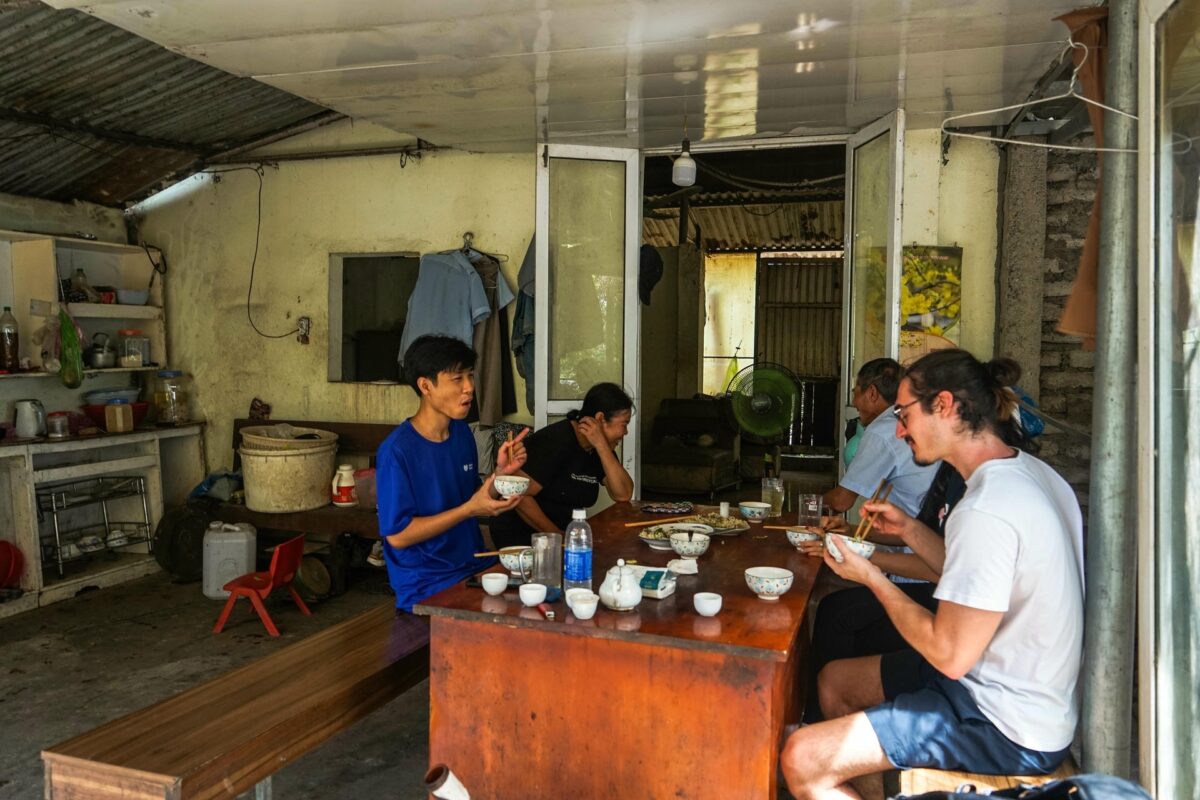
Book your spot on a Jackfruit Adventure food and cycling tour today. We’ll take you to family-run pho shops in both Hanoi and Saigon, explain what you’re tasting, and introduce you to the people who’ve been perfecting these recipes for generations. You’ll eat pho the way locals do – at 6 AM, on plastic stools, with no Instagram filters needed.
Don’t just read about the Hanoi vs Saigon pho difference. Taste it yourself. Your taste buds will thank you, and you’ll finally understand why Vietnamese people can argue about soup for hours without getting bored.