

Table of Contents
Discover the season in Vietnam by region, understand what season is it in Vietnam, and plan the best time to visit with local insights.
The first time someone asked me what season is it in Vietnam, I paused for a moment. Not because I didn’t know, but because there isn’t a simple answer. The truth is, the season in Vietnam depends entirely on where you are standing.
I’ve experienced cool autumn mornings in Hanoi while friends in Ho Chi Minh City were dealing with tropical rain just a short flight away. That contrast is what makes Vietnam both fascinating and confusing for travelers. If you’re trying to get a clearer picture of the best time to visit, you can explore this Best Time to Visit Vietnam guide before planning your trip. In this guide, I’ll walk you through the season in Vietnam from a local perspective, so you can understand not just the weather, but how it actually shapes your travel experience.
What Season Is It in Vietnam?
If you’re trying to figure out what season is it in Vietnam, the most accurate answer is that Vietnam has multiple seasonal patterns happening at the same time.
Unlike countries with four clear seasons across the entire territory, Vietnam is long and narrow, stretching from north to south. Because of this geography, the country is divided into three main climate zones:
- North Vietnam: four distinct seasons
- Central Vietnam: dry season and rainy season
- South Vietnam: tropical climate with wet and dry seasons
This means you cannot talk about the season in Vietnam as a single unified system. Instead, you need to think regionally. This is also why many travelers get confused when planning their trip. They expect one “best time,” but in reality, the best time depends on what kind of experience they want.
Season in Vietnam by Region
1. North Vietnam: Four Distinct Seasons
North Vietnam includes destinations like Hanoi, Sapa, and Ha Long Bay. This is the only region where you can clearly feel all four seasons.
Spring (March to April)
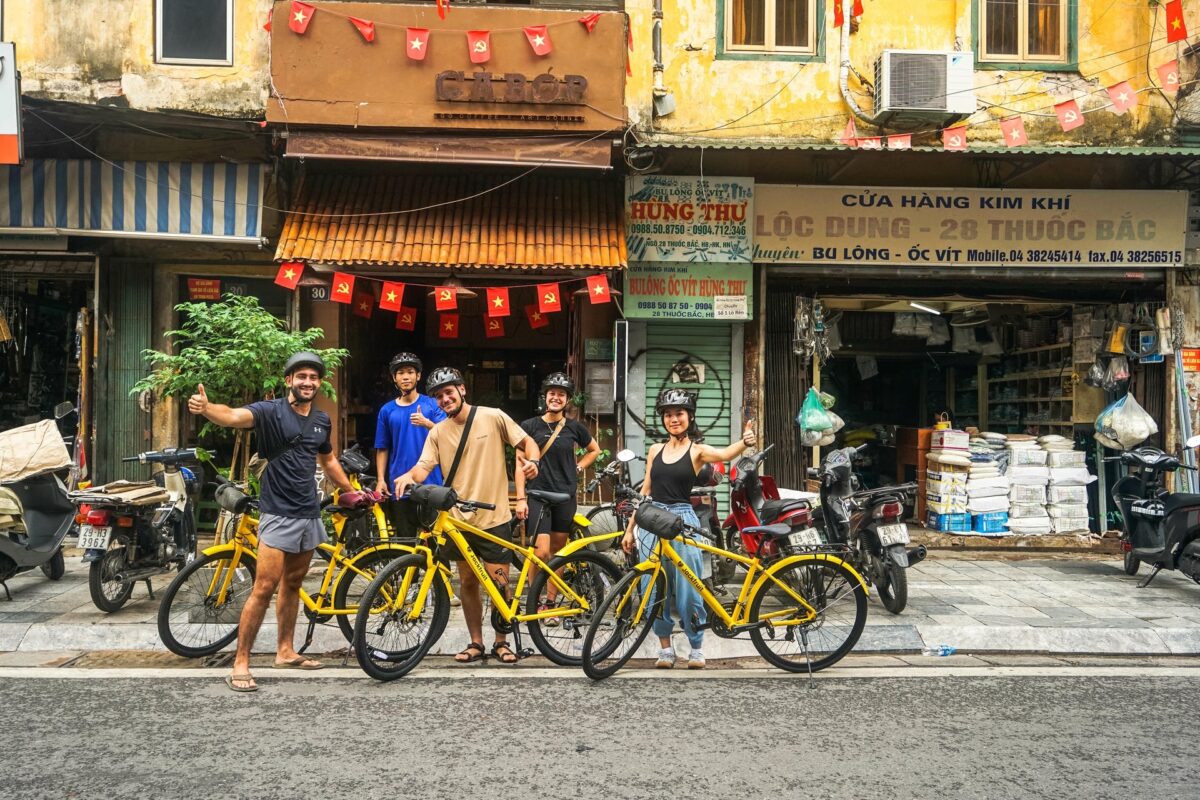
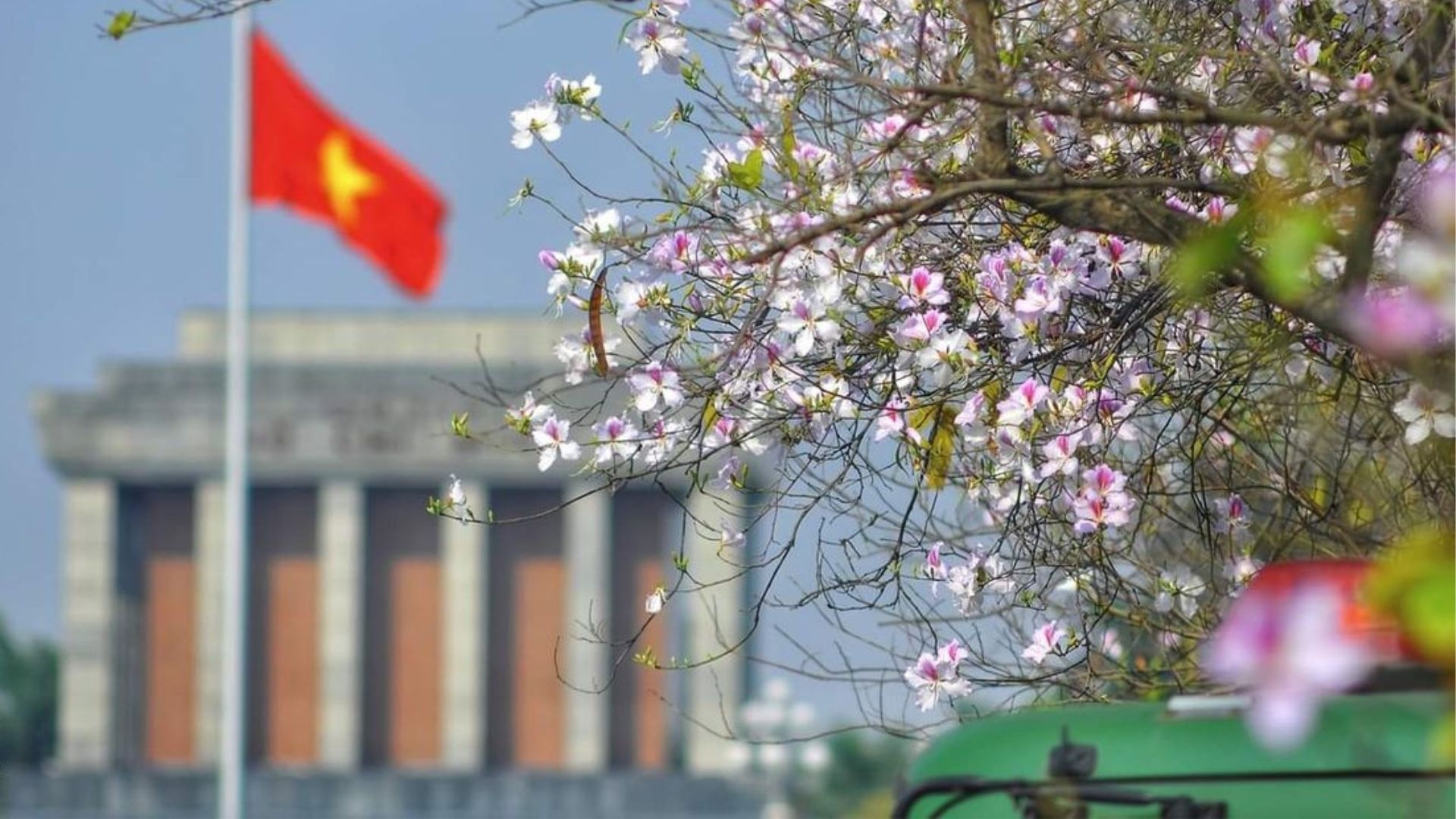
Spring in the north is gentle and refreshing. The temperature is mild, usually between 18 to 25 degrees Celsius, with occasional light rain.
This is one of my favorite times to walk around Hanoi. The air feels soft, flowers start blooming, and the city slows down after the busy Lunar New Year period. It is also a great time for cultural experiences, temple visits, and outdoor exploration without the intense heat.
If you’re visiting in spring, I’d slow down in Hanoi first, just to feel that softer rhythm of the city, then head out to Ninh Binh for its calm landscapes or Sapa where everything starts turning green again. Ha Long Bay is also surprisingly peaceful this time of year, with a light mist that makes the scenery feel almost unreal.
Summer (May to August)
Summer is hot, humid, and often intense. Temperatures can go above 35 degrees Celsius, and sudden rainstorms are common.
This is not the easiest season for walking tours, especially in cities. I still remember a few afternoons in Hanoi where the heat just made everything feel slower, heavier, like even crossing the street took more effort than usual. If you’re not used to this kind of weather, it can catch you off guard at first, so it helps to know a few simple ways to deal with it. I’ve shared some of the things that worked for me in this guide on how to survive the heat in Vietnam, especially during peak summer days.
In summer, I’d avoid staying too long in big cities and instead escape to places like Sapa or Ha Giang, where the mountains feel cooler and more open. Ninh Binh also becomes incredibly vibrant, and if you’re craving some sea air, Cat Ba Island offers a more relaxed alternative to busier coastal spots.
Autumn (September to November)
Autumn is widely considered the best season in Vietnam, especially in the north.
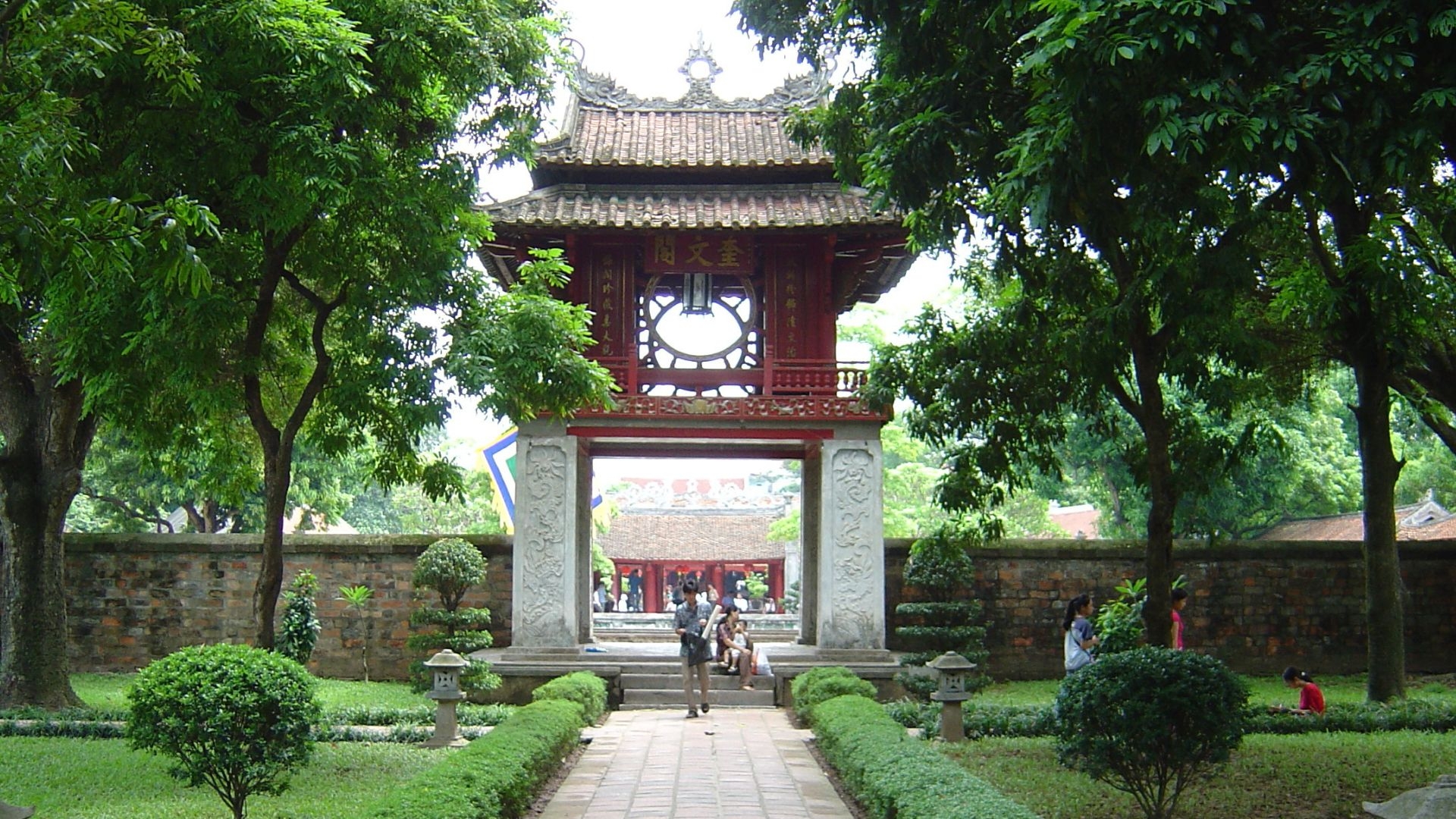
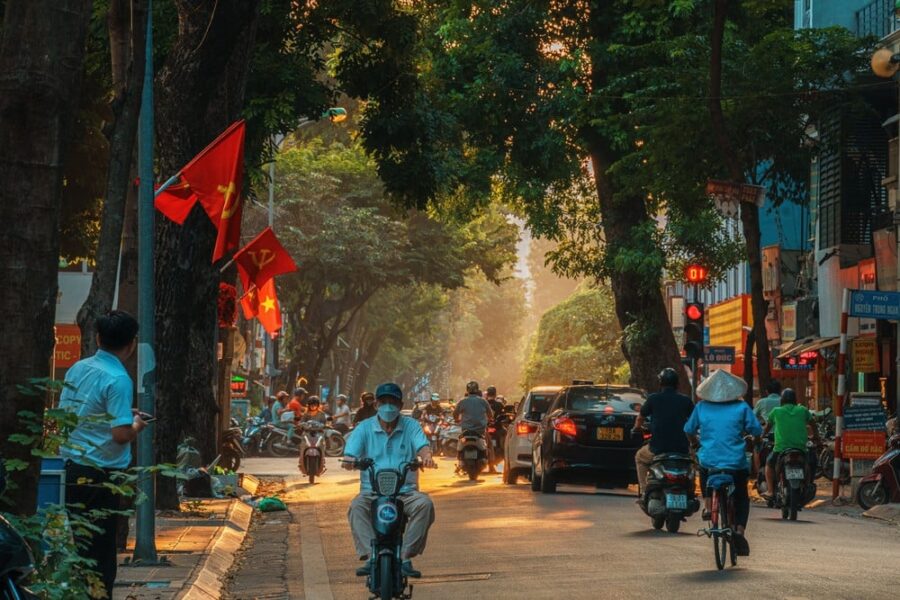
The weather becomes cooler, the sky is clearer, and humidity drops. Hanoi in autumn has a very distinct atmosphere. The sunlight feels softer, and the streets are filled with a quiet charm that is hard to describe unless you experience it.
If someone asks me when to visit Hanoi, this is usually my answer.
Autumn is when I’d fully embrace the north, starting in Hanoi and then heading further into places like Ha Giang or Mu Cang Chai, where the rice terraces turn golden. Sapa is also at its most photogenic, with clear skies and sweeping views that make every walk feel worth it.
Winter (December to February)
Winter in North Vietnam can be surprisingly cold, especially for those expecting a tropical destination. Temperatures can drop below 15 degrees Celsius, and in mountainous areas like Sapa, it can feel even colder.
The city often wakes up in fog, creating a calm and slightly melancholic mood. It is not the best time for beach activities, but it offers a completely different side of Vietnam that many travelers do not expect.
Winter feels slower and quieter, which makes it perfect if you enjoy a more reflective kind of travel. I’d stay in Hanoi to experience that foggy atmosphere, then head up to Sapa or Ha Giang if you don’t mind the cold. Moc Chau is also a lovely option, especially when the flowers begin to bloom early in the year.
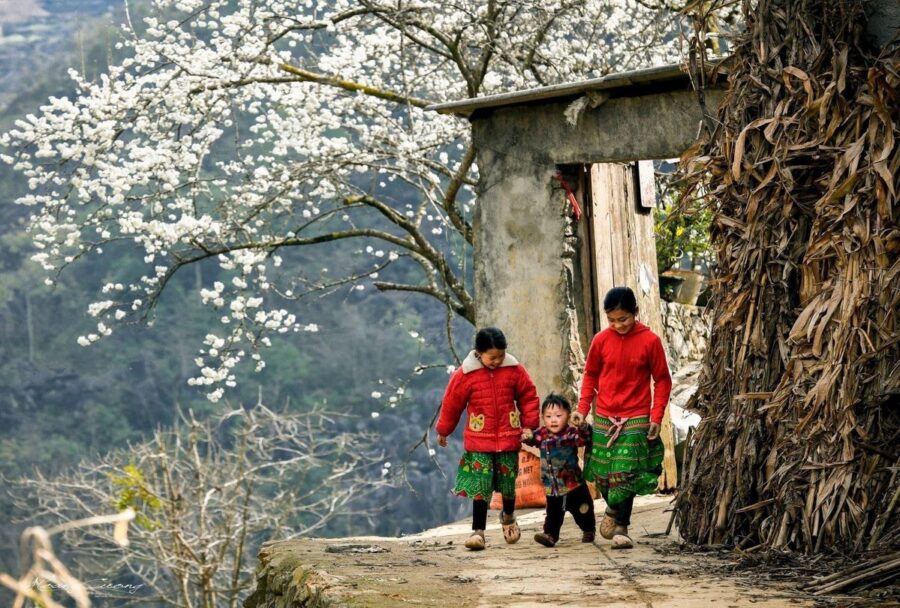
2. Central Vietnam: A Shift Between Sun and Storm
Central Vietnam includes Hue, Da Nang, and Hoi An. The season in Vietnam here is less about four seasons and more about a clear contrast between dry and rainy periods.
Dry Season (February to August)
This is often considered the best time to visit the south, with plenty of sunshine and slightly more comfortable humidity compared to the rest of the year.
But if I’m being honest, this is also when I start noticing how intense the heat can get, especially towards the end of the season. Around March and April, Ho Chi Minh City feels like it’s constantly sitting under a strong midday sun. I’ve had days where just walking outside at noon for five minutes felt like too much, with temperatures easily climbing to around 35 or 36 degrees Celsius.
I remember thinking Da Lat would be a break from that heat, but even there, it wasn’t as cool as I expected. It’s still more pleasant than the south, but the difference isn’t as dramatic as people often imagine, especially in recent years.
That said, I still really enjoy this time of year, you just have to move with it instead of against it. Mornings are usually the best part of the day, when the city feels a bit softer and more livable. By midday, I tend to slow down, find a shaded café, or just take a break indoors before heading out again in the late afternoon.
It’s still a great season for exploring Ho Chi Minh City, taking a slow boat through the Mekong Delta, or spending a few days by the beach in Phu Quoc. You just learn quickly that in southern Vietnam, the rhythm of your day matters just as much as the destination.

Rainy Season (September to November)
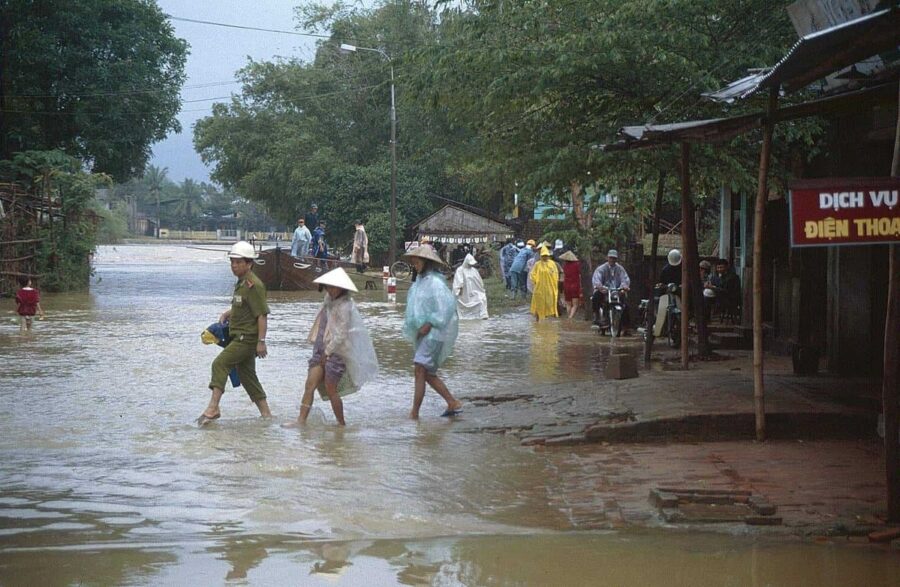
This is the least predictable period in Central Vietnam. Heavy rain, storms, and even typhoons can occur.
Hoi An, in particular, is known to experience flooding during this time. Streets can turn into shallow canals, which can be interesting to see but inconvenient for travel.
If your schedule is flexible, it is better to avoid this period for this region.
If you do find yourself here during the rainy season, I’d keep things flexible and focus on shorter stays in places like Da Nang or Hue, where you can adjust your plans more easily. Phong Nha can also work if you’re lucky with the weather, offering a quieter, more off-the-beaten-path experience.
3. South Vietnam: Tropical and Consistent
South Vietnam includes Ho Chi Minh City, the Mekong Delta, and Phu Quoc. The season in Vietnam here is the simplest to understand.
Dry Season (December to April)
This is the best time to visit the south. The weather is warm, sunny, and relatively less humid.
It is perfect for city exploration, river tours in the Mekong Delta, and beach trips to Phu Quoc.
During the dry season, you can comfortably explore Ho Chi Minh City at your own pace, then head down to the Mekong Delta for a glimpse of river life, and finish your trip on a relaxing note in Phu Quoc or Con Dao, where the beaches are at their best.
Rainy Season (May to October)
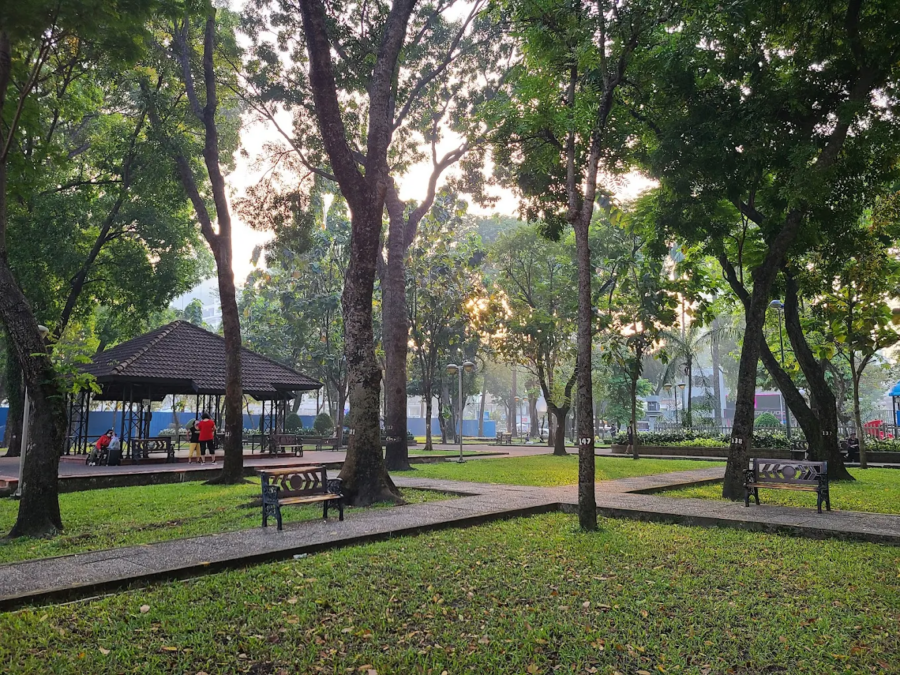
Rain in the south is different from what many people expect. Instead of lasting all day, it usually comes in short, heavy bursts in the afternoon.
You might be walking under clear skies in the morning and then experience a quick downpour later in the day. After that, the sky clears again.
This means travel is still very possible during the rainy season. In fact, some people prefer it because the landscape looks greener and there are fewer tourists.
In the rainy season, I’d still spend time in Ho Chi Minh City, just planning activities around the afternoon showers. The Mekong Delta feels especially alive during this time, and if you go early in the season, Phu Quoc can still offer a good balance between sunshine and quieter beaches.

When Is the Best Season in Vietnam?
The idea of the “best season in Vietnam” depends on whether you want a balanced trip across the country or a focused experience in one region.
If you are traveling across multiple regions, the most balanced periods are:
- March to April
- September to November
During these months, the weather is generally moderate in most parts of the country. It is not perfect everywhere, but it is good enough everywhere.
If you are focusing on specific experiences:
- For beaches in Central Vietnam: February to August
- For exploring the north: September to November or March to April
- For southern cities and islands: December to April
There is no universal answer, but there is always a suitable season depending on your plan.
Choosing the Right Season Based on Your Travel Style
1. First-Time Visitors
If this is your first trip to Vietnam, you want a time when everything is relatively easy.
March and April are ideal because:
- The weather is manageable in all regions
- Travel plans are less likely to be disrupted
- You can combine north, central, and south in one itinerary
2. Beach Lovers
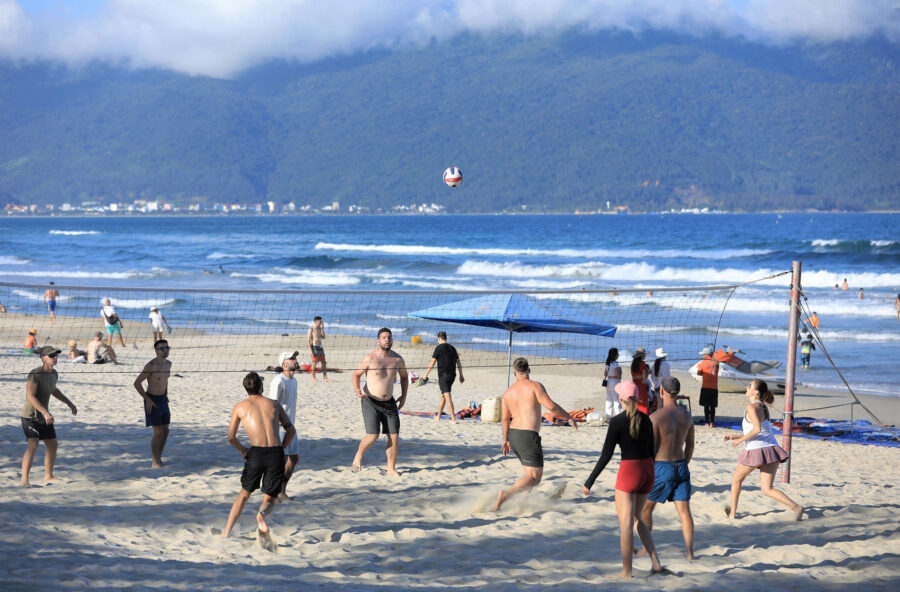
If your priority is beach time, Central Vietnam is your best option.
The period from February to August offers:
- Sunny weather
- Calm seas
- Ideal conditions for swimming and relaxing
3. Nature and Adventure Travelers
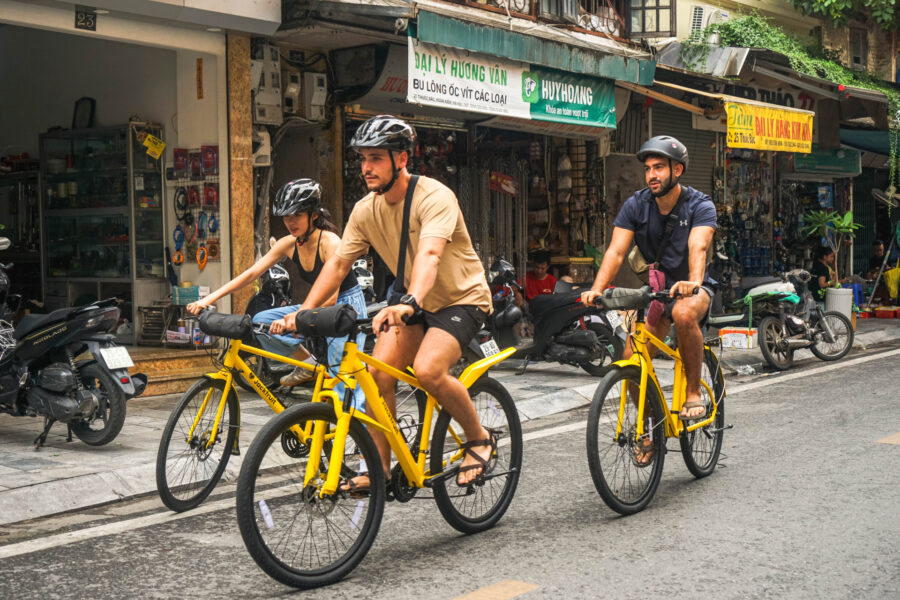
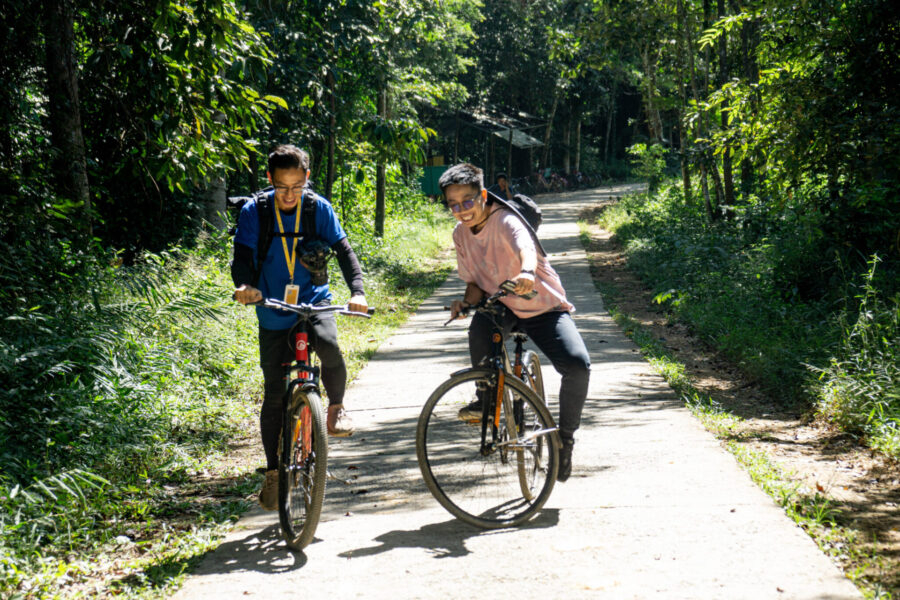
For trekking, cycling, or exploring rural landscapes, timing matters a lot.
The best months are:
- March to May
- September to November
During these periods:
- The weather is not too hot
- The scenery is at its best
- Visibility is clearer for mountain view
4. Budget Travelers
If you are looking to save money, consider traveling during the rainy season. And if you’re trying to plan things more clearly before you go, this Vietnam travel cost guide can give you a more realistic picture of what you might spend.
From May to September:
- Flights and hotels are cheaper
- Tourist spots are less crowded
You will have to deal with some rain, but with flexible planning, it is manageable

What the Season in Vietnam Feels Like (Beyond the Weather)
Weather reports can tell you the temperature, maybe the humidity, maybe even the chance of rain. But they don’t really tell you what it feels like to actually be here.
I didn’t notice this at first. It was only after living through a few different seasons that I started to realize how much they shape the way you experience the country.
In the north, autumn has this quiet, almost unspoken calm to it. I remember walking around Hanoi in the late afternoon, when the sunlight turns softer and everything slows down just a little. People sit outside longer, the streets feel more open, and somehow the city becomes easier to take in.
The rainy season in the south feels completely different. It’s not something that stops your day, it just becomes part of it. You learn to expect those sudden afternoon showers. I’ve had days where I’d rush into a small small hidden coffee shop to avoid the rain, only to end up staying longer than planned, watching the streets blur for a while before everything clears again like nothing happened.
And then in Central Vietnam, the dry season brings a kind of energy that’s hard to miss. Places like Da Nang or Hoi An feel more alive, the beaches are full, the evenings stretch a bit longer, and there’s this sense that people are making the most of the good weather while it lasts.
Over time, I stopped thinking about the season in Vietnam as just “good” or “bad” weather. It’s more like a rhythm you slowly get used to. And once you do, you start to see that each season doesn’t just change the landscape, it changes how you move through it.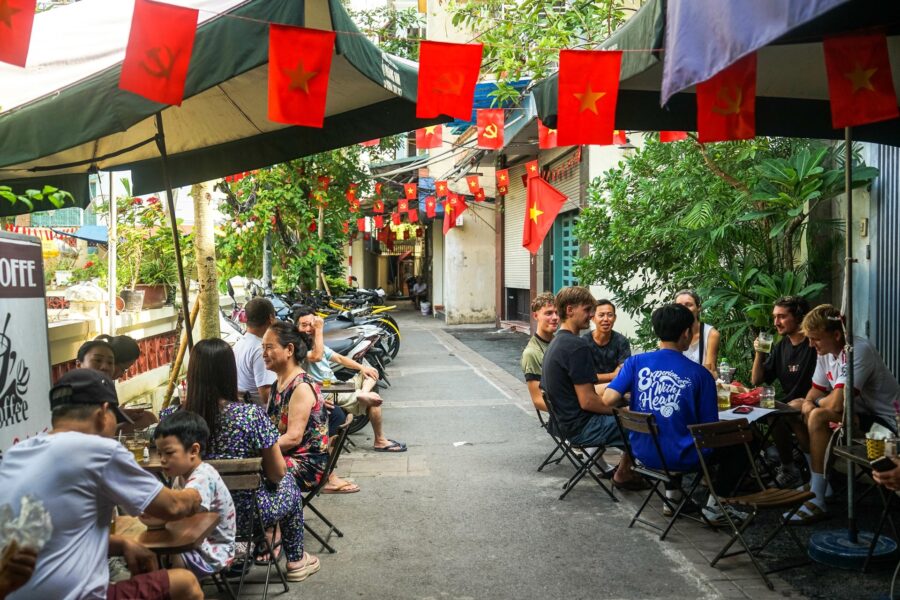
Common Mistakes When Planning Around Seasons
One of the biggest mistakes travelers make is trying to avoid “bad weather” entirely.
In Vietnam, that approach does not work well because:
- Good weather in one region might mean bad weather in another
- Rain does not always ruin your plans
- Some of the most beautiful moments happen in unexpected conditions
Another mistake is overplanning based on weather forecasts. Vietnam’s climate can be unpredictable, especially during transition periods.
A better approach is to:
- Choose the right region for your travel dates
- Stay flexible with your daily schedule
- Embrace the local rhythm instead of fighting it
So when someone asks what season is it in Vietnam, the most honest answer is that Vietnam experiences multiple seasons at once, depending on where you are.
Understanding the season in Vietnam helps you make smarter travel decisions, whether you are chasing sunshine, cooler air, or cultural experiences. There is no single perfect time, but there is always a right time for your kind of trip.
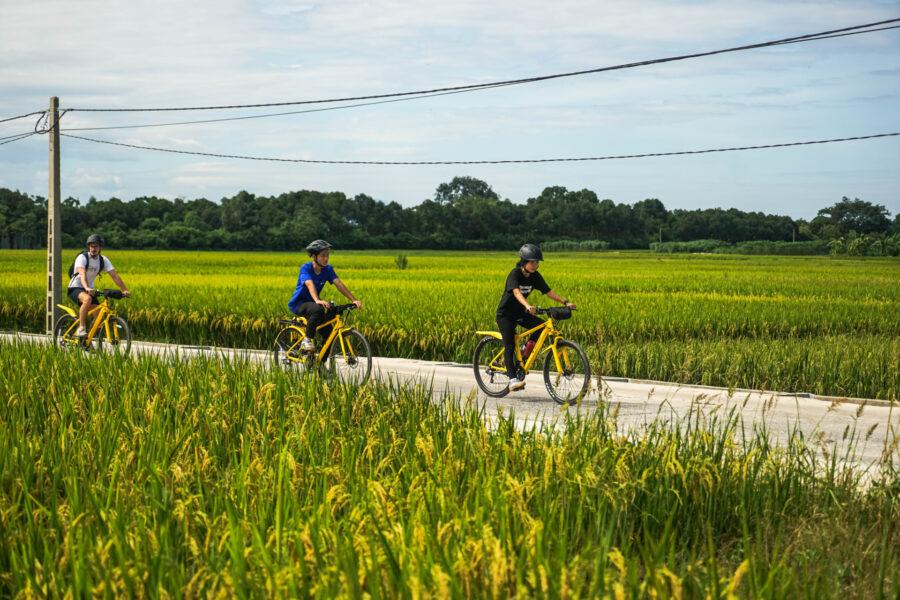
Ready to experience Vietnam in your own season?
Remember, the season in Vietnam isn’t about chasing perfect weather – it’s about finding the version of the country that fits you best. Some days will be hot, some will be rainy, and some will surprise you in ways no forecast can predict.
I hope this guide gives you a clearer picture of what to expect, but more importantly, helps you feel a bit more relaxed when planning. Vietnam isn’t a place you need to experience perfectly – it’s a place you just need to experience.
So go ahead, pick a time that works for you, and let the rest unfold naturally. Sometimes, the most memorable moments happen in the middle of a sudden rain or an unexpectedly cool morning.