

Table of Contents
Why Problem-Solving Activities Matter
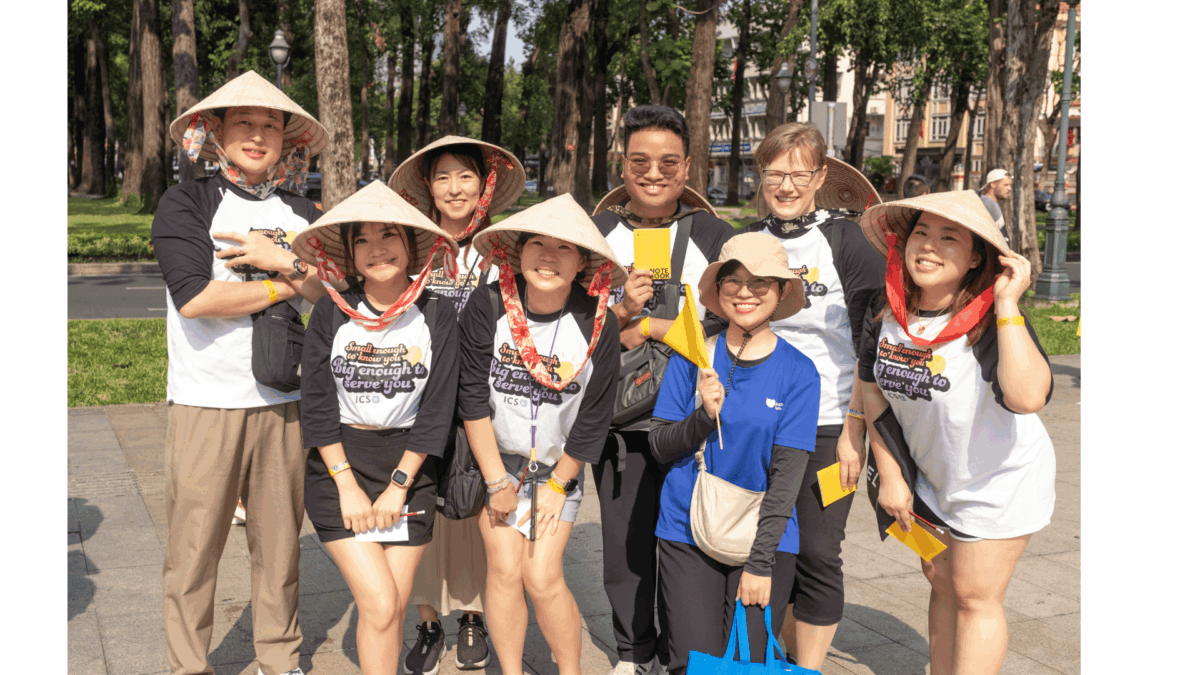
Top 10 Problem-Solving Activities (Indoor & Outdoor)
- Group Size: 5–10 per team (multiple teams)
- Duration: ~2–3 hours (can be scaled)
- Objectives: Collaboration, orientation, cultural learning, time management
- Materials: Maps, clue cards, smartphones/cameras, safe prizes (if competitive)
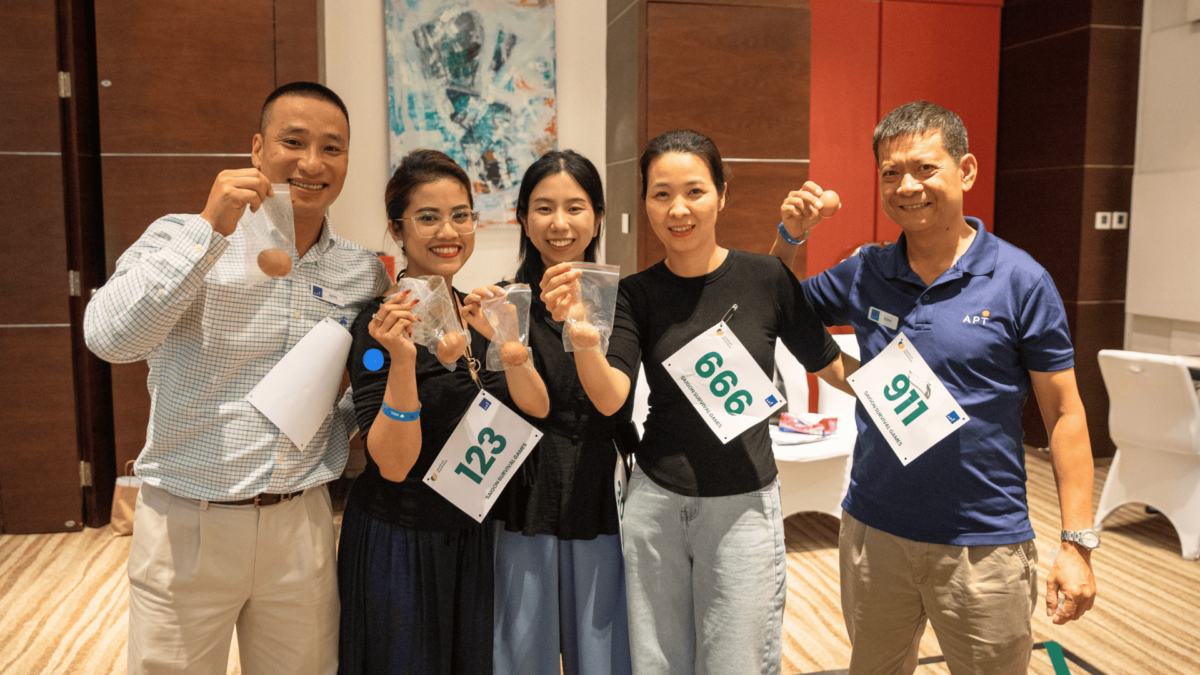
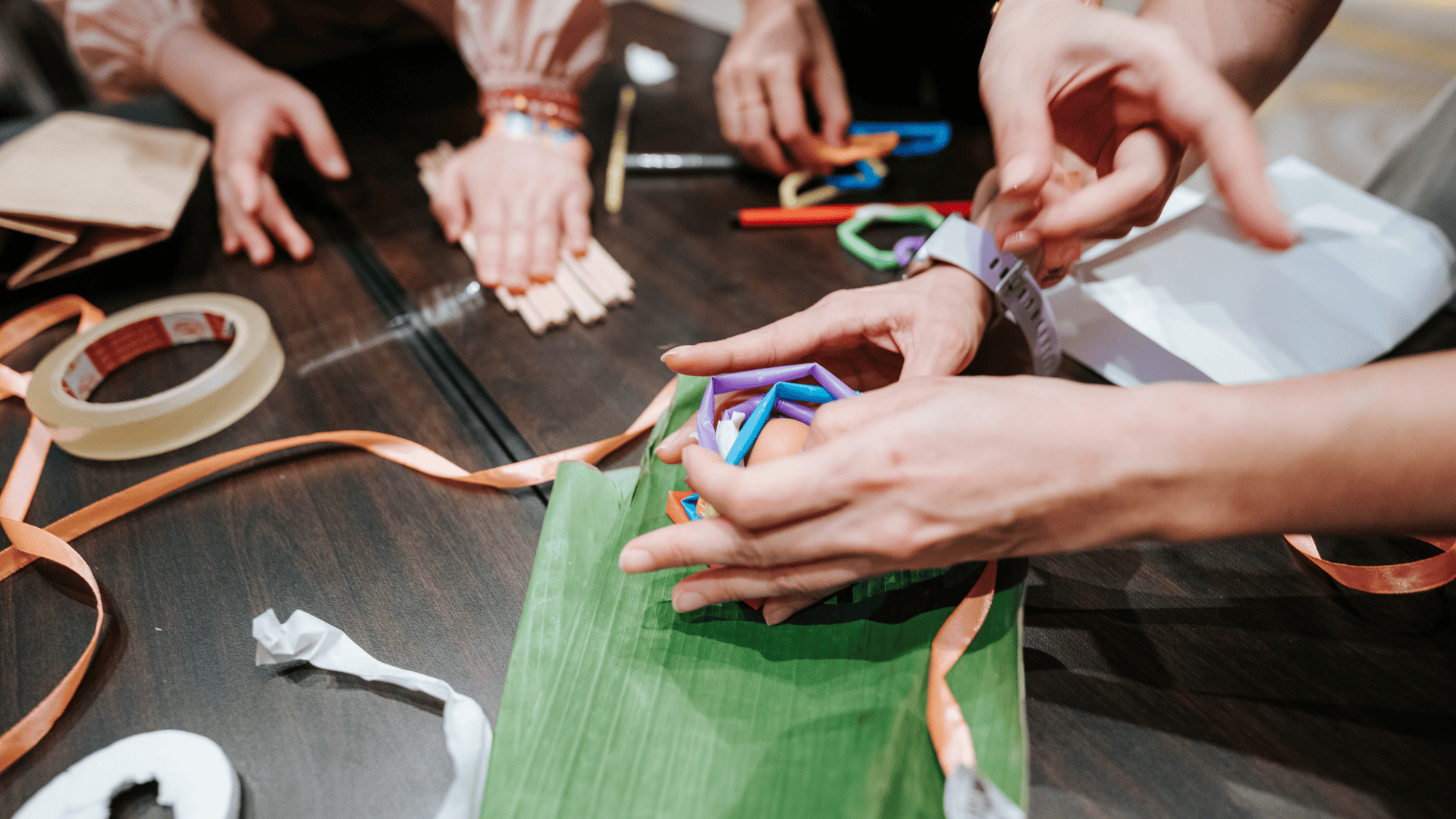
- Group Size: 4–8 per team
- Duration: 45–60 minutes
- Objectives: Creative problem solving, resource management, team communication
- Materials: Eggs, straws, tape, rubber bands, cardboard, scissors
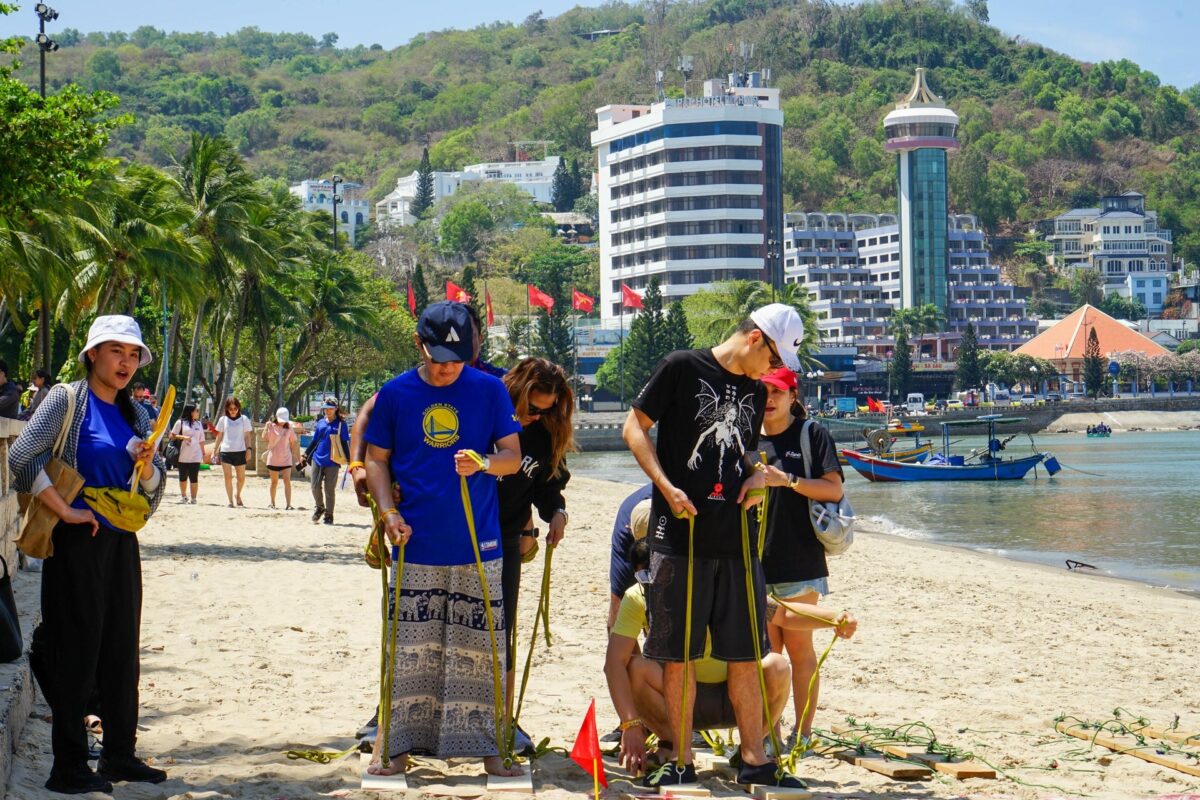
- Objectives: Practical problem-solving, clear communication, leadership
- Materials: Bike kits or bridge-building materials (wood/plastic planks, screws), tool kits, instructions
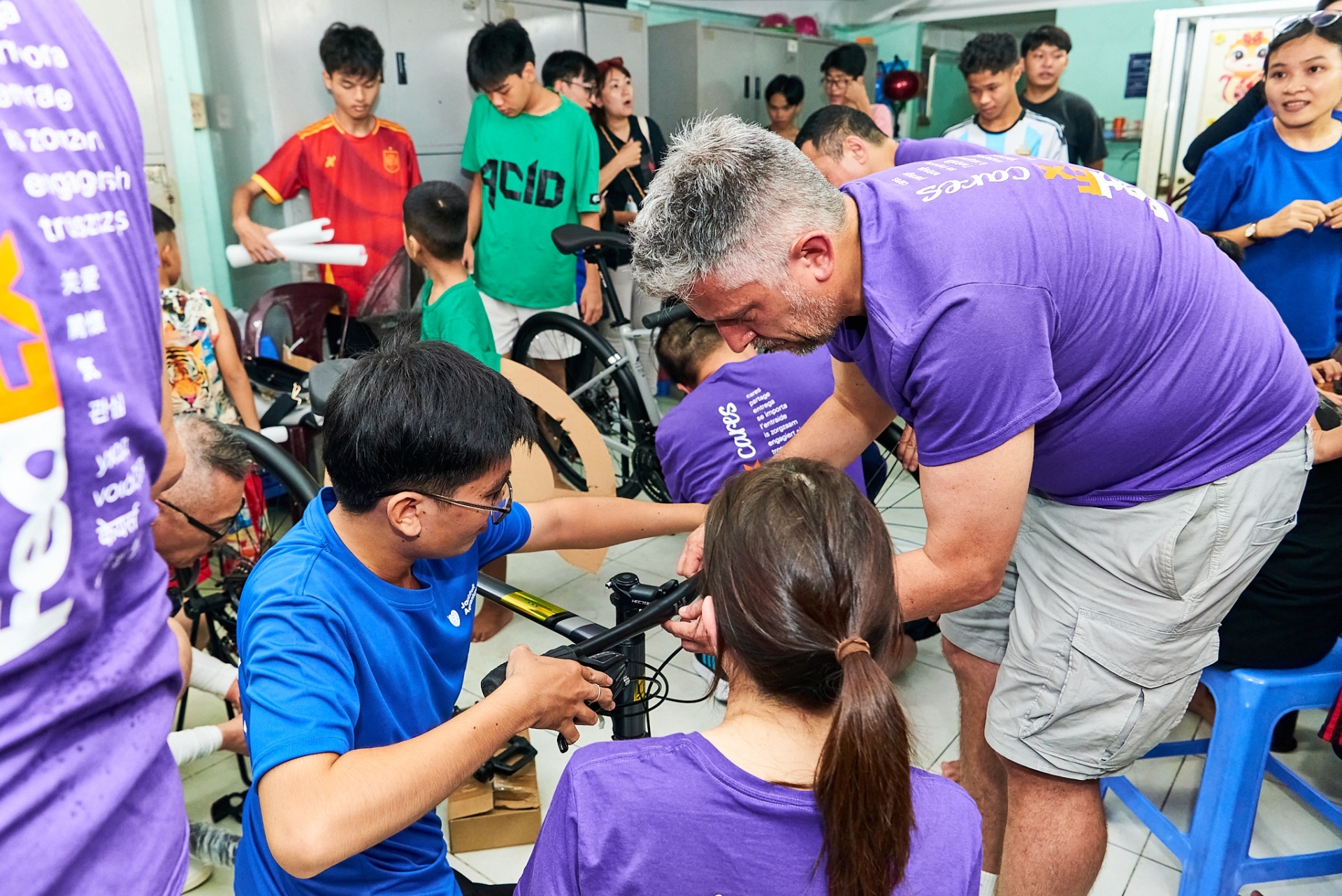
4. Escape Room / Locked Challenge (Indoor). Teams solve a series of interlocking puzzles to “escape” a room or situation. Lockboxes, cipher codes, and logic puzzles are hidden around a room or table. Groups must work together to interpret clues under a time limit.
- Group Size: 4–6 per team
- Duration: 60 minutes
- Objectives: Critical thinking, teamwork, clue analysis, persistence
- Materials: Locks, key/letter puzzles, clue scrolls, thematic props
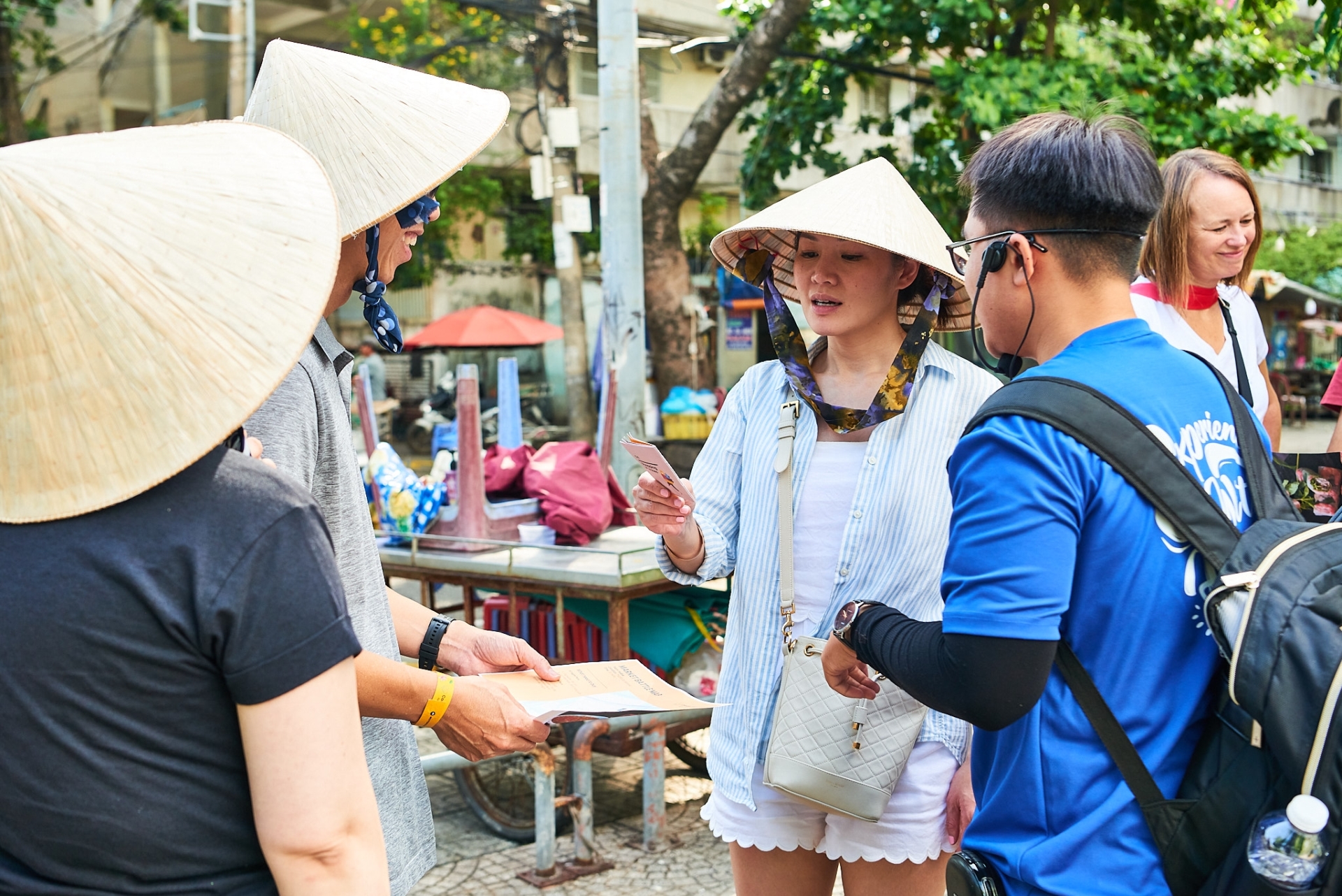
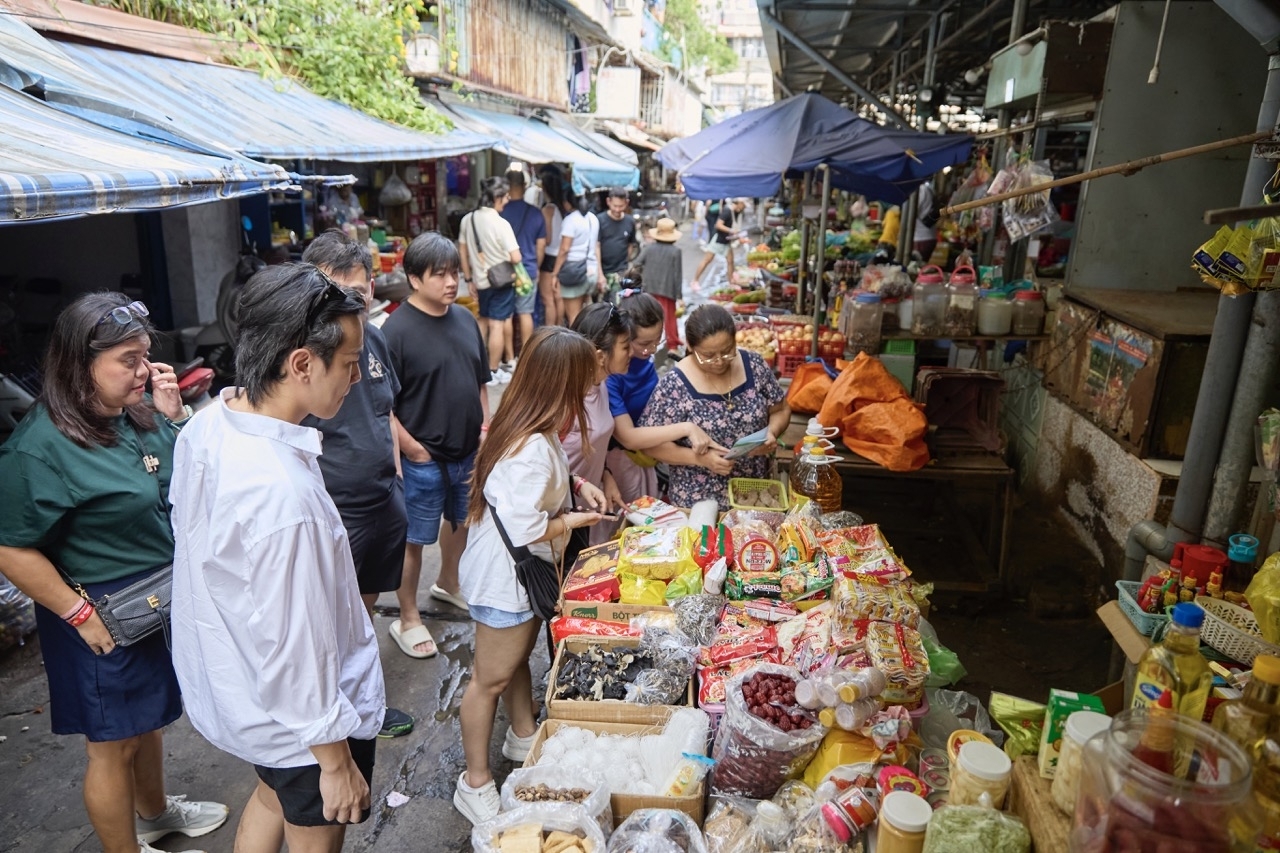
5. Market Riddle Game (Outdoor). Teams explore a local market to solve riddles and buy certain items. In Jackfruit’s programs, teams solve puzzles in Vietnamese and have to haggle or barter for specific goods. This activity builds cultural awareness and quick decision-making.
- Group Size: 5–8 per team
- Duration: 60–90 minutes
- Objectives: Cultural immersion, quick thinking, adaptability, negotiation
- Materials: Clue sheets (bilingual), shopping budget in local currency, list of items
6. Blindfold Coordination (Outdoor/Indoor). Teams complete an obstacle course or task while some members are blindfolded. Participants depend on teammates’ instructions to move along a path or put something together. This activity builds trust and improves listening skills.
- Group Size: 4–6 per team (rotate roles)
- Duration: 30–45 minutes
- Objectives: Trust-building, non-verbal communication, patience
- Materials: Blindfolds, course markers or puzzles
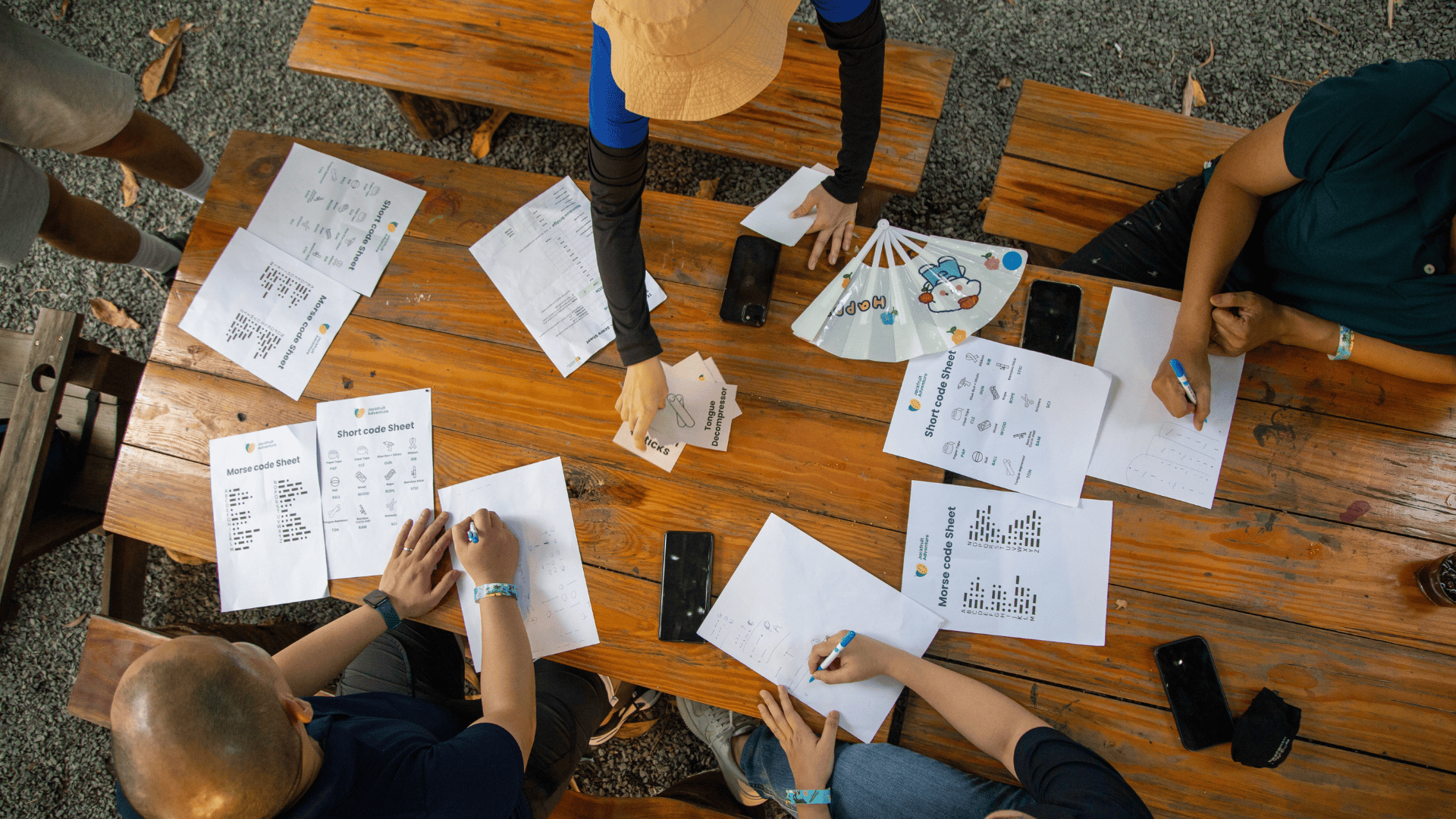
7. Code Survival Station (Outdoor/Indoor). Groups work to decode a message written in a special code or cypher while under time pressure. Teams might get the message through a broadcast or flashing light and must figure it out to survive, such as by finding a hidden key or answer.
- Group Size: 4–6 per team
- Duration: 20–30 minutes
- Objectives: Attention to detail, pattern recognition, group problem-solving
- Materials: Morse code charts or digital tools, audio device, flashlight
8. Collaborative Puzzle Wall (Indoor). Teams work together on a large jigsaw or modular puzzle that needs everyone’s input. Each team handles a section of a big picture or mural without seeing the others’ progress. At times, they share pieces to finish the whole puzzle.
- Group Size: 5–10 per team, 3–5 teams
- Duration: 45–60 minutes
- Objectives: Communication across sub-teams, coordination, big-picture thinking
- Materials: Large puzzle or mural pieces, tables arranged in pods
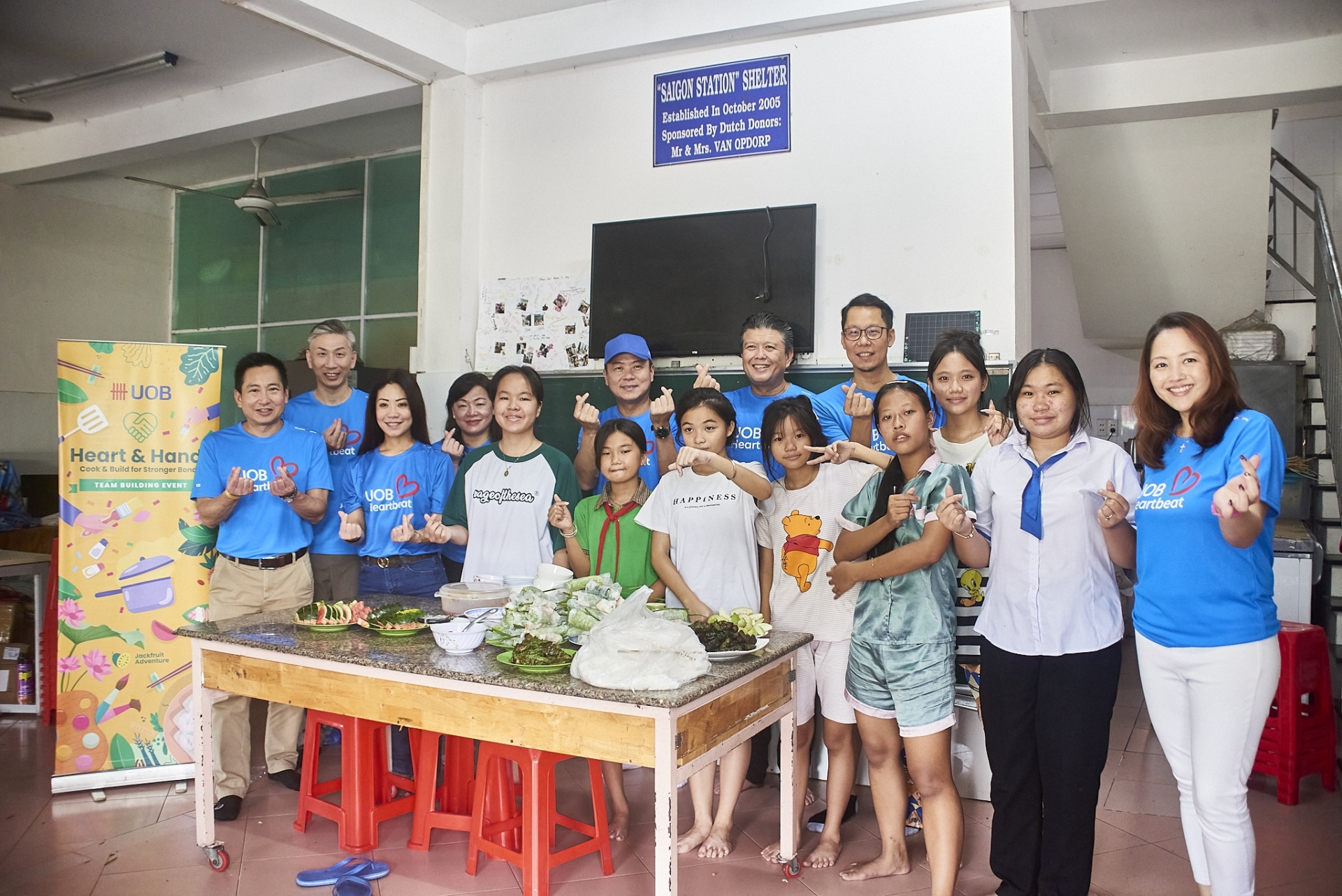
9. Cooking for a Cause (Outdoor/Indoor). Teams shop for ingredients, cook, and serve a meal for a local charity or orphanage. After a market challenge, groups follow recipes and prepare local dishes while racing against the clock.
This blends CSR with problem solving (managing time and ingredients).
- Group Size: 5–8 per team
- Duration: 90–120 minutes
- Objectives: Empathy, teamwork, planning, cross-cultural learning
- Materials: Kitchen access, ingredients, recipes, donation packages
10. Tech / Strategy Hackathon (Indoor). A brainstorm or coding challenge tackling a work-related problem. Teams use laptops and creativity to ideate solutions (perhaps with a facilitator). For example, develop a simple app feature or innovative process. This can be a mix of digital and analogue tasks.
- Group Size: 4–6 per team
- Duration: 1–2 hours
- Objectives: Innovation, leadership, collaborative planning, time management
- Materials: Laptops/tablets, whiteboards/flipcharts, Internet, challenge brief
Location & Timing: Tips For Vietnam
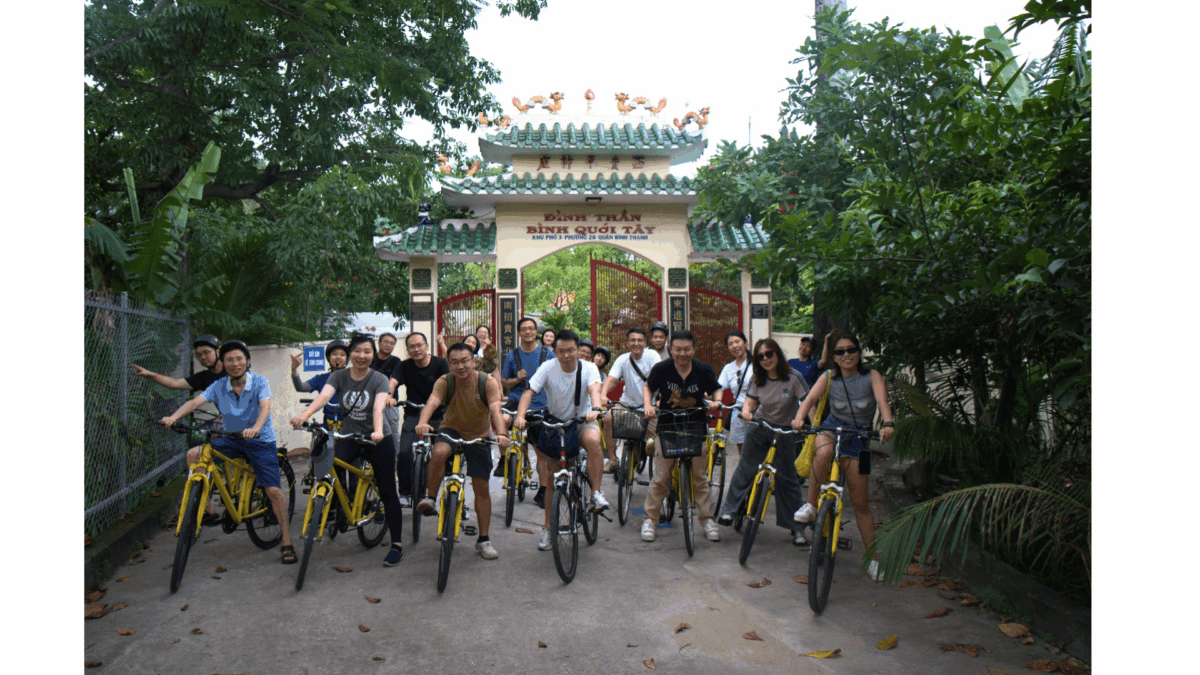
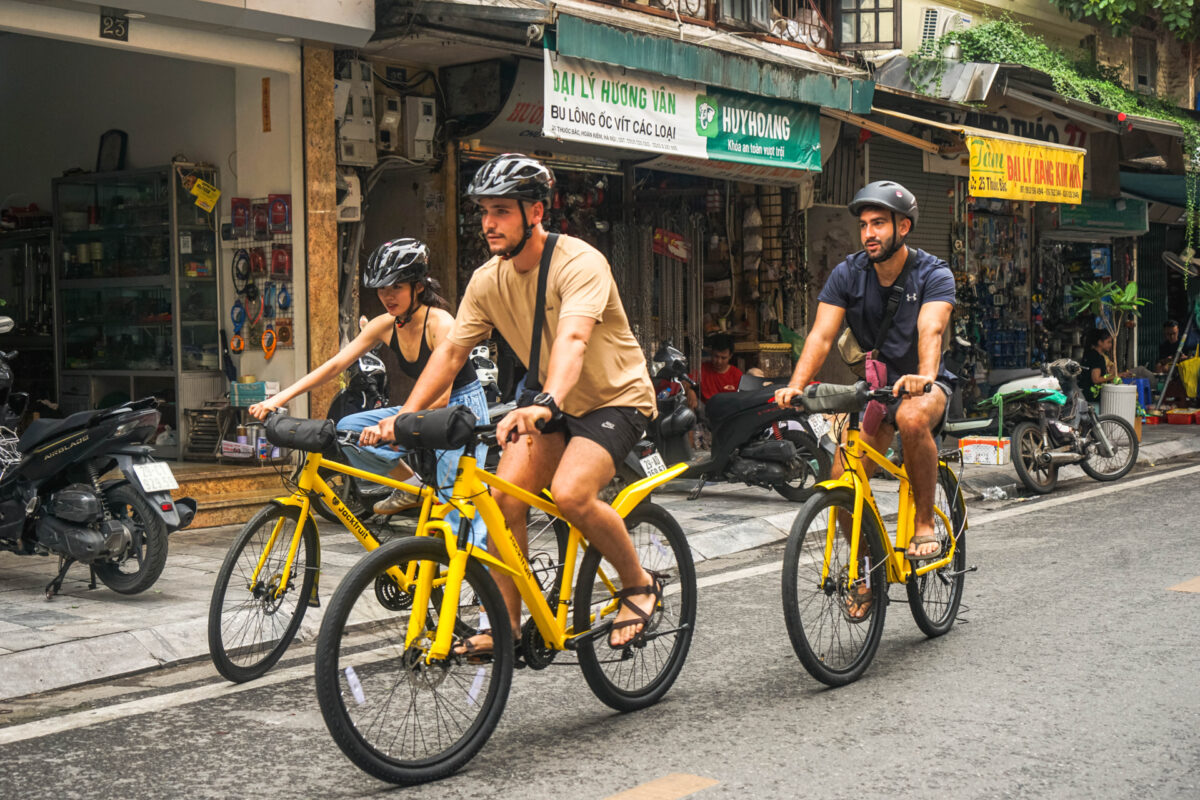
- Half-Day/Short Programs: For sessions lasting 2 to 4 hours, it’s best to stay local. In Ho Chi Minh City, you can try a Saigon City Quest in the old quarter or a nearby outdoor survival game to save on travel time. Jackfruit’s urban programs help teams bond without long trips. A good option is a half-day cultural walk or cycling tour, followed by a problem-solving game in the city.
- Full-Day or Multi-Day Events: You can combine team activities with meetings or other events. For example, a typical schedule might have strategy sessions in the morning, team challenges like a cycling race or beach cleanup in the afternoon, and a gala in the evening. Jackfruit’s MICE and Incentive services can include team-building in larger agendas and handling transport and venue details. For instance, a finance firm’s all-day event mixed a Saigon City Quest with a charity-focused Impact Race, making it a smooth experience of exploring and giving back.
- Season & Weather: The dry season from November to April is best for outdoor activities in most areas. During summer rains or shorter days, focus on indoor challenges or schedule activities in the morning. Rural retreats like Da Lat or Phu Quoc offer cooler weather and a chance for team bonding away from the city. Jackfruit Adventure can adjust any activity to fit the weather, such as moving an outdoor puzzle indoors.